
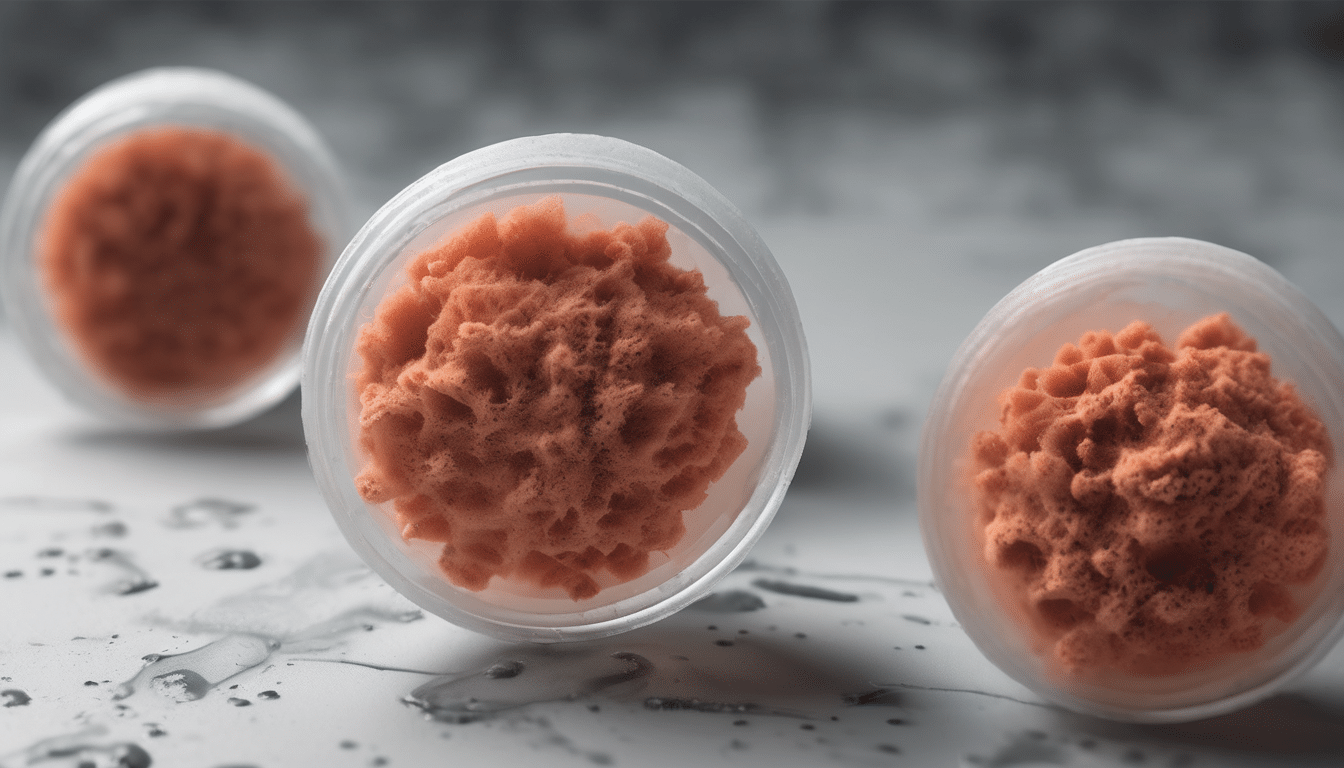
In this comprehensive guide, we will explore the differences between surface testing or air sampling: best mold test?. Learn how these methods impact your indoor environment and which is most effective for identifying hidden threats.
What is Surface Testing or Air Sampling: Best Mold Test?
Mold testing can be a complex process, with two primary methods being surface testing and air sampling. Surface testing involves collecting samples from visible mold growth to identify species and levels of contamination. In contrast, air sampling measures the presence and concentration of mold spores in the air within an indoor environment.
Surface Testing Or Air Sampling: Best Mold Test – Identifying the Problem: Why Mold Grows
Mold growth is a multifaceted issue. It thrives under conditions of high humidity, excess moisture, and poor ventilation. Understanding why mold grows is crucial for choosing the right testing method. For instance, if visible mold is suspected due to water damage or condensation issues, surface testing might be more appropriate.
Surface Testing Or Air Sampling: Best Mold Test – Surface Testing vs Air Sampling: Key Differences and When to
Surface testing is ideal when hidden growth needs to be identified behind walls, under floors, or in inaccessible areas. It allows for targeted sampling based on visible signs of mold. On the other hand, air sampling provides a broader picture of indoor air quality and can detect invisible spores that are not easily visible. This relates directly to Surface Testing Or Air Sampling: Best Mold Test.
When to Use Surface Testing:
- Visible mold growth in areas like bathrooms, basements, or attics.
- Suspected hidden mold behind walls or under floors.
- Investigating moisture-related issues such as water leaks or condensation.
When to Use Air Sampling:
- Evaluating overall indoor air quality and spore levels in a space.
- Identifying potential mold issues before visible signs appear.
- Monitoring the effectiveness of remediation efforts over time.
Using Laboratory Testing for Accurate Results
To ensure accurate results, it is essential to use laboratory testing in conjunction with surface or air sampling. Laboratories can identify mold species and measure contamination levels, providing a detailed report on the indoor environment. This data-driven approach helps in formulating effective remediation strategies.
Hidden Mold Detection and Consequences of Hidden Growth
Hidden mold growth can pose significant health risks, especially to sensitive occupants. Failure to detect hidden mold can lead to ongoing contamination and increased exposure risk. Proper testing methods like surface sampling or air sampling are crucial in identifying these hidden threats.
The Role of Building Science in Mold Testing
Building science plays a critical role in mold testing by providing insights into the environmental factors that contribute to mold growth. Understanding hygrothermal dynamics, moisture management, and HVAC systems helps in pinpointing the root causes of mold issues. This knowledge guides effective testing methods and remediation strategies.
Best Practices for Choosing the Right Method
Selecting the right method involves considering both visible signs and underlying conditions. Here are some best practices:
- Conduct a thorough visual inspection first to identify any obvious mold growth.
- Use surface testing for targeted sampling in areas with visible mold or moisture issues.
- Employ air sampling to evaluate overall indoor air quality and detect hidden spores.
- Combine both methods for comprehensive assessments, ensuring no hidden contamination goes undetected.
Case Studies in Dubai and Abu Dhabi: Lessons Learned from Complex Cases
Real-world examples highlight the importance of choosing the right testing method. For instance, a case in Dubai where visible mold growth was suspected led to targeted surface sampling. However, air sampling later revealed hidden spores that were not initially apparent. This dual approach ensured comprehensive remediation and minimized health risks. When considering Surface Testing Or Air Sampling: Best Mold Test, this becomes clear.
Expert Tips for Indoor Environmental Health
- Always consult with a certified indoor environmental professional to ensure accurate testing methods are used.
- Regularly inspect your property for signs of moisture and mold growth, especially in high-humidity areas like kitchens and bathrooms.
- Implement proper ventilation systems and moisture management strategies to prevent mold from taking hold.
- Use air sampling when evaluating the overall indoor air quality or before major renovations that could disturb existing mold.
Frequently Asked Questions (FAQs)
Q: How often should I test for mold?
A: Regular inspections are recommended, especially after water damage or in areas with high humidity. For more detailed assessments, consider air sampling every 6-12 months.
Q: Can surface testing alone be relied upon to determine if there’s mold?
A: Surface testing can identify visible mold, but air sampling is necessary for a comprehensive evaluation. Both methods should be used together for accurate results.
Q: What are the risks of not using proper testing methods?
A: Failing to use appropriate testing methods can lead to missed hidden contamination, ineffective remediation efforts, and ongoing health risks for occupants.
Conclusion and Final Thoughts
In conclusion, both surface testing and air sampling are valuable tools in the mold testing toolkit. By understanding why mold grows, choosing the right method, and leveraging laboratory testing, you can ensure accurate results and effective remediation strategies. Remember that a comprehensive approach, combining visible inspections with targeted sampling methods, is key to maintaining healthy indoor environments.
For professional guidance on mold testing in Dubai, Abu Dhabi, or any other part of the UAE, consult with experts like Saniservice, who offer evidence-based diagnostics and tailored solutions for complex indoor environmental challenges. Understanding Surface Testing Or Air Sampling: Best Mold Test is key to success in this area.