
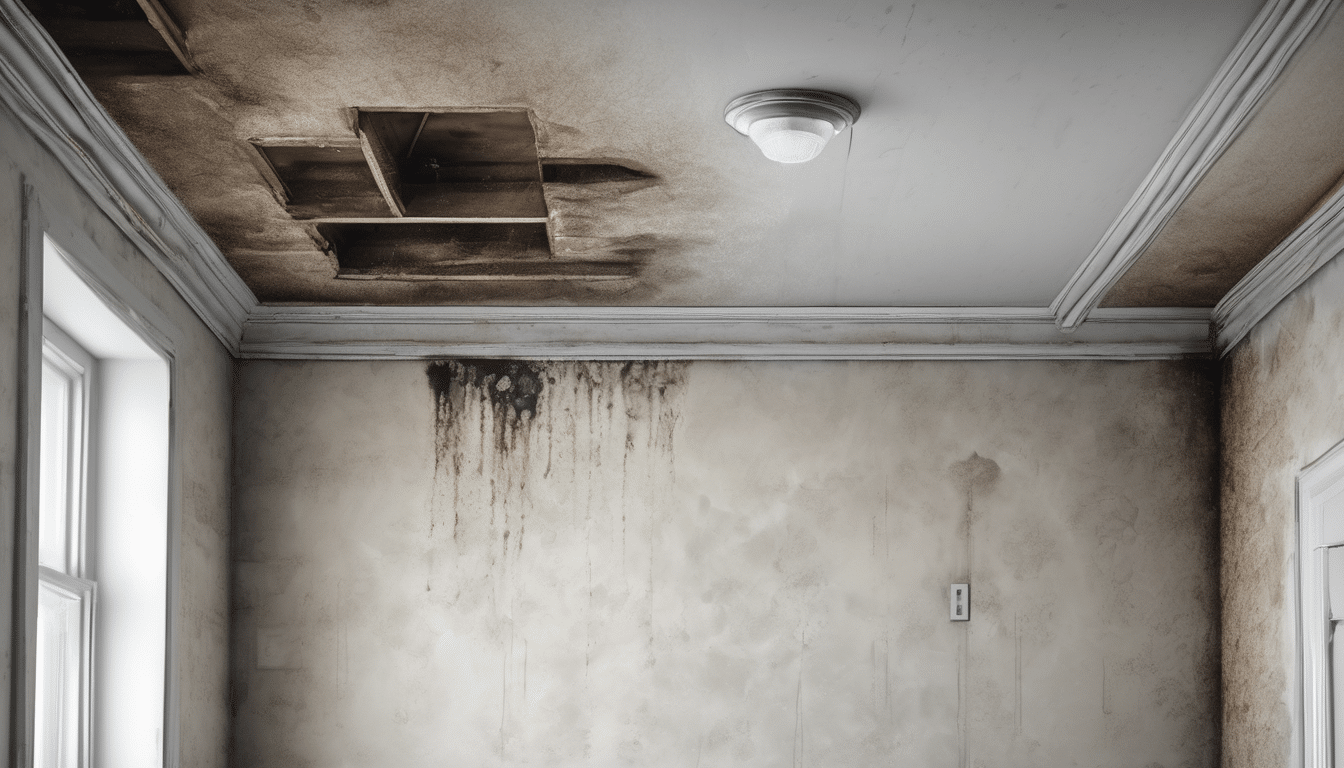
Understanding the true extent of mold growth within your property is crucial for effective remediation. This guide explores whether mold inspections can reveal hidden problems behind walls and ceilings, providing practical tips and expert advice.
Introduction to Mold Inspection
Mold inspections are essential for identifying and mitigating indoor environmental health issues. However, the effectiveness of these inspections in detecting hidden mold problems behind walls and ceilings can vary significantly. This guide explores whether a thorough mold inspection can uncover these unseen threats and offers practical insights for homeowners and property managers.
Can Mold Inspection Identify Hidden Problems Behind Walls And Ceilings – Can Mold Inspection Identify Hidden Problems?
Mold inspections aim to identify visible signs of mold growth, but their ability to detect hidden issues is limited. Traditional visual inspections often miss areas behind walls, in crawl spaces, and within HVAC systems where mold can thrive unseen. However, advanced diagnostic tools and techniques can enhance the inspection process.
The Role of Forensic Building Analysis
Forensic building analysis plays a crucial role in uncovering hidden mold problems. This approach involves detailed investigations into the structural integrity and moisture dynamics of buildings to identify potential sources of mold growth. By analyzing historical data, material samples, and environmental conditions, forensic experts can pinpoint areas where mold may be present but not visible.
Forensic Inspection Procedures
– Building Envelope Analysis: Examining the physical structure to identify moisture intrusion points.
– HVAC System Diagnostics: Testing ventilation systems for leaks and proper humidity control.
– Thermal Imaging: Using infrared cameras to detect temperature anomalies indicative of mold growth.
Hygrothermal Dynamics and Mold Growth
Understanding hygrothermal dynamics is essential for comprehending how mold thrives in hidden areas. Moisture, temperature, and airflow interact within buildings to create conditions favorable for mold proliferation. By studying these factors, mold inspectors can identify potential hotspots that may not be visible on the surface.
Hygrothermal Dynamics Explained
– Moisture Sources: Identifying common sources of moisture such as leaks, condensation, and improper plumbing.
– Thermal Behavior: Analyzing how heat moves through the building to identify temperature fluctuations that can support mold growth.
Advanced Diagnostics for Hidden Mold
Advanced diagnostic tools can significantly improve the detection of hidden mold problems. These techniques include laboratory analysis, surface sampling, and environmental monitoring. By combining these methods with traditional inspection procedures, mold inspectors can provide a comprehensive assessment of indoor environments.
Lab Testing and Sampling
– Surface Sampling: Collecting samples from suspicious areas for lab analysis.
– Air Sampling: Using spore traps to monitor airborne fungal spores.
– Moisture Mapping: Identifying high moisture areas using non-invasive methods.
Practical Applications of Mold Inspection
Practical applications of mold inspections extend beyond just identifying visible signs of mold. They can also reveal underlying issues that may contribute to repeated mold growth, such as building envelope defects or HVAC system failures. By addressing these root causes, property managers and homeowners can prevent future occurrences.
Application of Mold Inspection
– Residential Properties: Detecting hidden mold in kitchens, bathrooms, and attics.
– Commercial Buildings: Identifying issues in HVAC systems, roof penetrations, and floor coverings.
– High-Rise Apartments: Addressing common moisture sources like plumbing leaks and condensation.
Expert Tips for Effective Mold Management
Effective mold management requires a comprehensive approach that includes both immediate remediation efforts and long-term prevention strategies. Here are some expert tips to help you manage hidden mold problems effectively:
1. Conduct Regular Inspections – Schedule periodic inspections to monitor the condition of your property.
2. Invest in Advanced Diagnostic Tools – Utilize specialized equipment like thermal imaging and lab testing for a more thorough assessment.
3. Address Root Causes – Identify and correct underlying issues that may be contributing to mold growth.
Frequently Asked Questions (FAQs)
– Q1: Can mold inspections identify hidden problems behind walls?
– A1: Mold inspections can identify some hidden problems, but advanced techniques like forensic building analysis and lab testing are necessary for a comprehensive assessment.
– Q2: What tools are used in mold inspections?
– A2: Tools include thermal imaging cameras, air sampling devices, and laboratory equipment for detailed analysis.
– Q3: How often should I conduct mold inspections?
– A3: Inspections should be conducted at least annually, especially in high-risk areas or after significant renovations. This relates directly to Can Mold Inspection Identify Hidden Problems Behind Walls And Ceilings.
Conclusion
Can mold inspection identify hidden problems behind walls and ceilings? The answer lies in the approach and tools used. By combining traditional inspection methods with advanced diagnostics, you can uncover and address unseen issues that may compromise your indoor environment’s health. Regular inspections and a proactive strategy are key to maintaining a safe and healthy living space.