
Table of Contents
Introduction to Hidden Mold Behind Walls
Identify Hidden mold behind walls can pose significant risks to the health and comfort of occupants in Dubai, Abu Dhabi, Sharjah, Ras Al Khaimah, Fujairah, Ajman, and other regions of the UAE. This guide aims to provide homeowners, property managers, and building professionals with a comprehensive understanding of how to identify hidden mold behind walls effectively. Understanding this issue is crucial for maintaining indoor air quality and ensuring long-term health and safety.
Identify Hidden Mold Behind Walls: Detecting Signs of Hidden Mold Behind Walls
Identifying hidden mold requires a systematic approach, combining observation, testing, and professional expertise. Here are some common signs to look out for:
- Musty Odor: A musty smell can indicate the presence of mold, especially in areas where moisture is present.
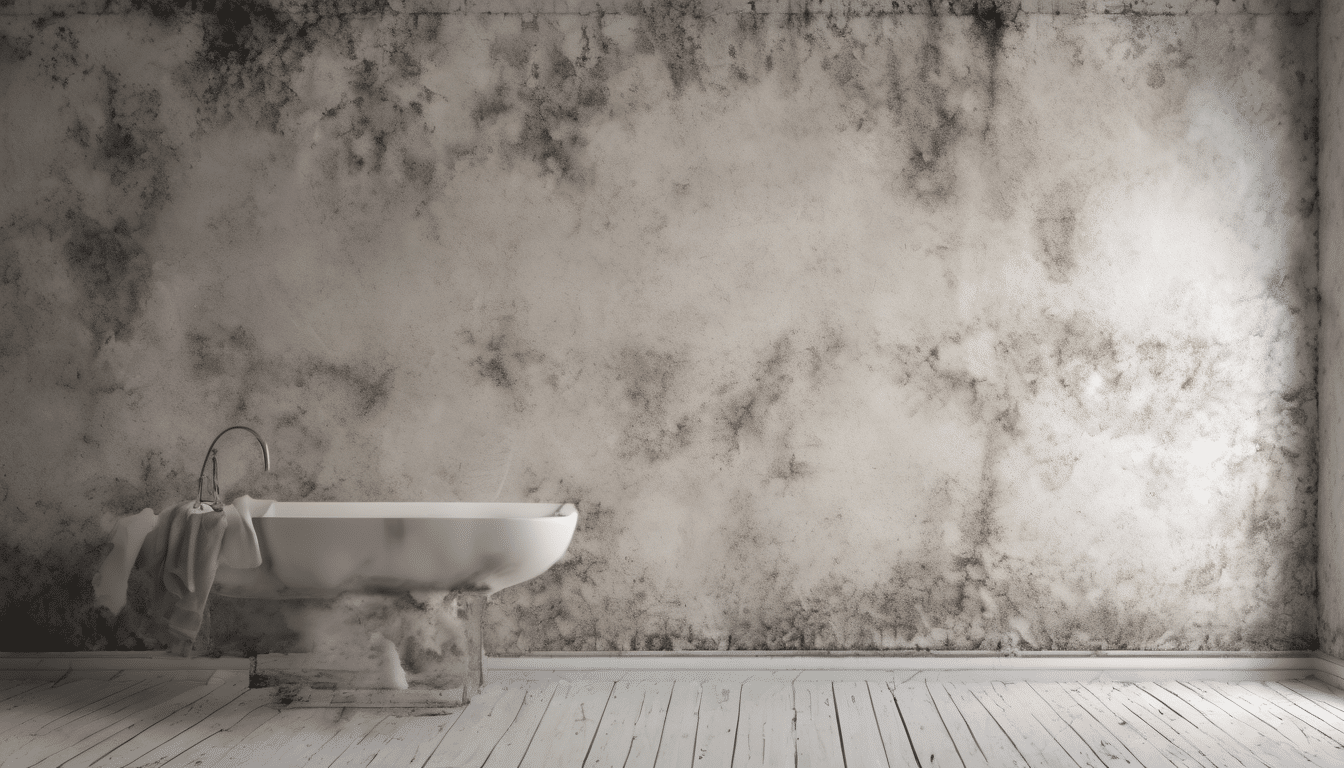
- Discoloration: Walls or ceilings may show discolorations that resemble stains or water damage. These can be indicative of hidden mold growth.
- Damp Spots: Water-stained walls, especially in corners or near plumbing fixtures, could indicate moisture issues leading to mold.
- Peeling Paint and Cracks: Peeling paint or cracks that do not heal after repairs might be signs of hidden mold growth behind the surface.
Identify Hidden Mold Behind Walls: Mold Testing and Diagnosis Methods
Mold testing is essential for confirming the presence of hidden mold. Here are some common methods used by professionals:
- Swab Sampling: Collecting samples from suspect areas using swabs can provide direct evidence of mold.
- Tape Lift Samples: This involves removing small pieces of tape from the surface to capture potential spores for analysis in a laboratory setting.
- Air Sampling: Using air samplers, professionals collect airborne spores and analyze them using specialized equipment.
- Sterile Swab Kits: These kits allow for precise sampling of surface areas suspected of mold contamination.
Identify Hidden Mold Behind Walls: Advanced Techniques for Inspection
For thorough inspections, advanced techniques can be employed to detect hidden mold more effectively:
- Thermal Imaging: Using thermal imaging cameras helps identify moisture pockets that may indicate mold growth.
- Borescopes: These devices allow for non-invasive inspection of walls, ceiling spaces, and other hidden areas where mold might be growing.
- Infrared Cameras: Infrared (IR) cameras can detect temperature variations that may indicate dampness or moisture issues leading to mold growth.
Identifying Risk Factors for Hidden Mold Growth
Understanding the risk factors associated with hidden mold is crucial for effective identification and prevention:
- Moisture Sources: Leaks from plumbing, HVAC systems, or roof damage are common sources of moisture that can lead to hidden mold growth.
- strong Poor Ventilation: Insufficient ventilation in areas prone to high humidity levels can contribute to the development of hidden mold.
- strongPoor Material Choices: Using materials that do not resist moisture, such as drywall or certain types of insulation, increases the risk of hidden mold growth.
- strongBuilding Envelope Defects: Issues with the building envelope, like gaps in walls or improperly sealed windows, can allow water to penetrate and create conducive conditions for mold.
Preventing Hidden Mold Growth
To prevent hidden mold growth behind walls, implement these strategies:
- Regular Maintenance: Regularly inspecting and maintaining your home’s plumbing and HVAC systems can help detect leaks or other issues early.
- <strongProper Ventilation: Ensure proper ventilation in bathrooms, kitchens, and laundry areas to prevent moisture build-up.
- <strongUse Durable Materials: Choose materials that resist moisture and are less prone to mold growth. For example, use mold-resistant insulation or water-resistant paints.
- <strongSeal Gaps: Seal gaps around windows, doors, and other areas where water might enter the building envelope.
Expert Tips for Identification
Here are some expert tips to enhance your ability to identify hidden mold behind walls:
- Consult Professionals: Engage experienced indoor environmental professionals who can provide a thorough inspection and accurate diagnosis.
- <strongUse Multiple Methods: Combine visual inspections, air sampling, and thermal imaging for the most comprehensive assessment.
- <strongMaintain Documentation: Keep detailed records of your findings to track changes over time and ensure proper remediation actions are taken.
- <strongEducate Yourself: Stay informed about the latest advancements in mold detection technology and best practices for identification.
Frequently Asked Questions (FAQs)
Here are some common questions related to identifying hidden mold behind walls:
Q: Can I detect mold without professional help?
A: While you can perform basic inspections, professional methods and equipment are necessary for accurate identification. Professional assistance ensures thoroughness and reliability.
Q: How often should I check for hidden mold?
A: Regular inspections, especially after significant weather events or water damage incidents, are recommended to prevent hidden mold growth.
Q: Are there any DIY methods that can help identify hidden mold?
A: Yes, using simple tools like moisture meters and visual inspection can provide initial signs. However, professional testing is crucial for confirmation.
Conclusion: Hidden Mold Behind Walls
Identifying hidden mold behind walls requires a systematic approach that combines observation, testing, and advanced techniques. By understanding the signs, risk factors, and prevention methods, you can effectively manage hidden mold issues in your home or building. Engaging professional experts for thorough inspections ensures accurate diagnosis and effective remediation.