
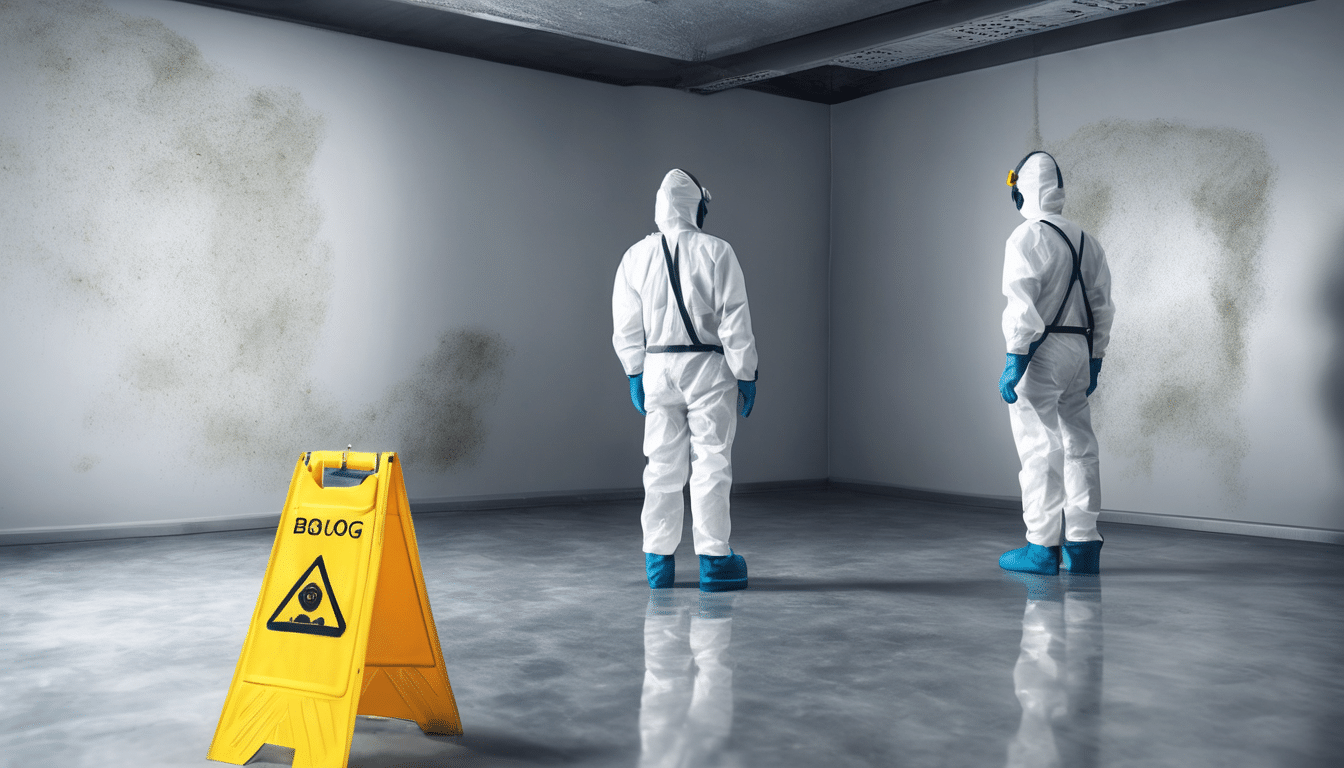
Safe mold removal in occupied areas requires meticulous planning and execution to protect both occupants’ health and property integrity. This guide explores the key containment strategies necessary for effective mold remediation without disrupting daily life. Understanding these methods is crucial for property owners, managers, and service providers alike.
CONTENT
Understanding Containment Strategies for Safe Mold Removal in Occupied Areas
Containment strategies are essential to control the spread of mold spores and dust particles during the remediation process. These measures ensure that the remediation efforts do not inadvertently contaminate other areas, especially when working in occupied spaces.
The Purpose of Containment in Mold Removal
Containment involves creating a barrier to prevent the spread of mold spores and dust. This is crucial because airborne particles can travel through ducts, open windows, or other means, causing secondary contamination.
Containment Strategies For Safe Mold Removal In Occupied – Importance of Properly Planned Containment
Proper containment planning ensures that the mold remediation process is effective and safe. It minimizes disruption to occupants while effectively addressing the source of the problem.
Preventive Measures During Mold Removal in Occupied Spaces
Key steps include sealing off affected areas, using negative pressure systems, and employing HEPA filtration to capture airborne particles. These measures help maintain air quality and prevent cross-contamination.
Containment Strategies For Safe Mold Removal In Occupied – Common Mistakes in Mold Removal
Mistakes such as inadequate containment, improper use of personal protective equipment (PPE), or lack of professional expertise can lead to incomplete remediation. Understanding these common pitfalls is crucial for successful mold removal. This relates directly to Containment Strategies For Safe Mold Removal In Occupied.
Identifying and Avoiding Mistakes
Mistakes include failing to properly seal off affected areas, using substandard PPE, or not following proper containment protocols. These can compromise the effectiveness of the remediation process.
Costs and Budgeting for Safe Mold Removal
The cost of safe mold removal in occupied areas varies based on several factors, including the extent of contamination, materials needed, and labor involved. Proper budget planning is essential to ensure a successful outcome.
Cost Factors and Budget Planning
Factors include containment costs, mold remediation services, PPE, and equipment rental. A detailed budget helps in managing resources effectively during the remediation process.
Designing Containment Systems for Occupied Spaces
Effective containment systems need to be designed carefully to minimize disruption while ensuring safety. This includes setting up negative pressure areas and using appropriate materials.
Contamination Control Strategies
Strategies include creating air barriers, using HEPA filters, and managing HVAC systems to prevent cross-contamination. These strategies help in maintaining a clean environment during remediation.
Materials and Equipment Needed for Containment
The right materials and equipment are essential for successful containment. This includes PPE, air barriers, HEPA filters, and negative pressure systems.
Key Materials and Equipment
Materials include containment barriers, HEPA vacuums, plastic sheeting, and sealing agents. Equipment includes portable air cleaners and personal protective equipment like respirators.
Steps in Mold Removal: Containing the Contamination
Effective mold removal requires a systematic approach to contain the contamination. This involves setting up barriers, using negative pressure systems, and managing air flow.
The Containment Process
The process includes sealing off affected areas, installing air barriers, using HEPA filtration, and controlling HVAC systems. These steps ensure that the remediation area is isolated from other parts of the building. When considering Containment Strategies For Safe Mold Removal In Occupied, this becomes clear.
Expert Tips for Safe Mold Removal
Expert tips can significantly enhance the effectiveness of mold removal in occupied spaces. Following these guidelines helps ensure a safe and efficient process.
Tips for Successful Mold Removal
- Pre-plan thoroughly: Develop a detailed plan before starting the remediation process.
- Use professional expertise: Engage certified professionals to ensure best practices are followed.
- Implement negative pressure systems: Use portable air cleaners and HEPA filters to control airflow.
- Follow OSHA guidelines: Ensure all workers are trained in proper containment techniques.
FAQ Section
Frequently asked questions about mold removal in occupied areas address common concerns and provide clarity on the process.
How Long Does the Mold Removal Process Take in Occupied Spaces?
The duration of the mold removal process can vary, but it typically takes a few days to several weeks depending on the extent of contamination and the complexity of the job.
Can I Remove Mold Myself in an Occupied Space?
While DIY mold remediation is possible, it is often advisable to hire professionals due to safety concerns and regulatory requirements. Professional services ensure the process adheres to industry standards.
What Does a Safe Mold Removal Process in an Occupied Space Look Like?
A safe mold removal process involves containment, proper PPE use, and adherence to OSHA guidelines. It also includes regular air quality testing to ensure safety throughout the process.
Conclusion
Safe mold removal in occupied areas requires careful planning, execution, and adherence to best practices. By understanding the containment strategies and following expert tips, property owners can protect both their health and assets during the remediation process.