
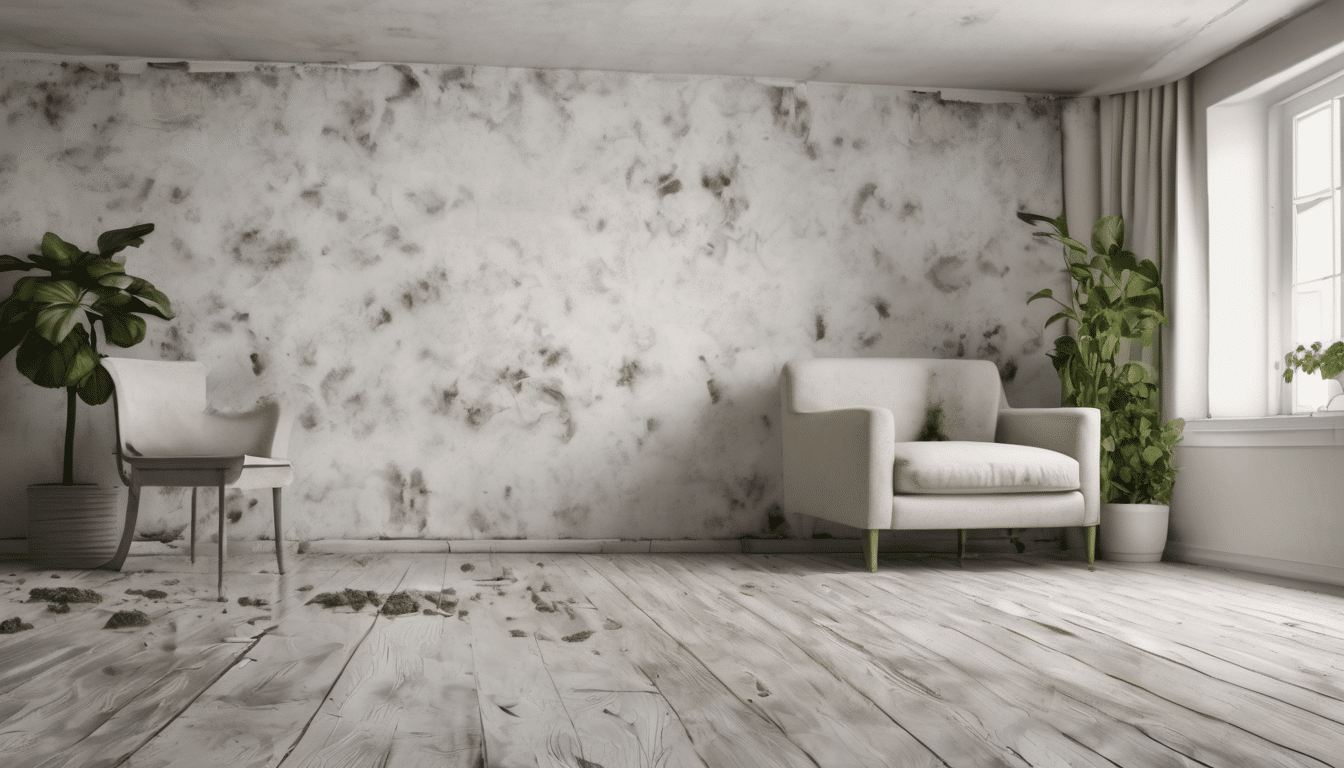
Clean Up Residential Mold Problems And How To Prevent Mold G – Understanding Mold Growth in Residential Settings
Mold growth in residential settings is a complex issue that can arise from various environmental factors. Understanding why mold grows indoors is crucial for effective prevention and remediation. This relates directly to Clean Up Residential Mold Problems And How To Prevent Mold G.
Mold thrives in environments with high humidity, moisture, and organic materials such as wood, paper, carpet, and insulation. Common sources of moisture include water leaks, condensation, flooding, and poor ventilation. In Dubai’s climate, which is characterized by high humidity levels and air conditioning use, mold growth can be particularly prevalent.
Clean Up Residential Mold Problems And How To Prevent Mold G – Identification of Mold Problems
Identifying mold problems requires a systematic approach to ensure accurate detection and appropriate remediation.
- Visual Inspection: Look for visible signs such as discoloration, musty odors, or fuzzy growth in areas prone to moisture.
- Surface Sampling: Collect surface samples using swabs or tape lift techniques for laboratory analysis. This helps confirm the presence and species of mold.
- Air Sampling: Use spore traps and air samplers to detect airborne mold spores, indicating potential contamination beyond visible areas.
Clean Up Residential Mold Problems And How To Prevent Mold G – Cleaning Residential Mold: Step-by-Step Guide
Cleaning residential mold requires a thorough approach to ensure safe and effective removal. Follow these steps:
- Preparation: Wear protective gear such as gloves, masks, and goggles. Seal off the affected area using negative pressure techniques.
- Surface Cleaning: Use a solution of water and mild detergent to clean visible mold growth. Rinse with clean water and dry thoroughly.
- Disinfection: Apply a disinfectant containing quaternary ammonium compounds or hydrogen peroxide to kill remaining spores.
- Contamination Removal: Dispose of contaminated materials properly, following local regulations. Consider professional removal for extensive contamination.
Preventing Future Mold Growth
To prevent mold growth, focus on controlling moisture and improving indoor air quality. Key steps include:
- Fix Water Leaks: Address any plumbing issues promptly to avoid water accumulation.
- Improve Ventilation: Use exhaust fans in bathrooms and kitchens, and ensure proper ventilation systems are functioning correctly.
- Dehumidify: Install dehumidifiers in damp areas or use air conditioning units to maintain indoor humidity levels below 60%.
- Avoid Overcrowding: Ensure adequate space between furniture and walls to promote airflow and reduce moisture accumulation.
Remediating Hidden Mold Problems
Hidden mold growth can be particularly challenging but is essential to address for long-term health benefits. Techniques include:
- Thermal Imaging: Use thermal imaging cameras to detect temperature variations that may indicate hidden moisture.
- Borescopes: Inspect behind walls and ceilings using borescopes for thorough mold detection.
- Invasive Sampling: Perform invasive sampling in areas with suspected hidden growth, such as HVAC systems or subfloor cavities.
Controlling Humidity and Ventilation
Maintaining optimal humidity levels is crucial for preventing mold growth. Use the following strategies:
- Use Dehumidifiers: Install dehumidifiers in basements, crawl spaces, or other damp areas to reduce relative humidity.
- HVAC System Maintenance: Regularly clean and maintain HVAC systems to ensure proper airflow and prevent moisture buildup.
- Ventilation: Use exhaust fans in bathrooms and kitchens to remove excess moisture. Consider whole-house ventilation systems for better air exchange.
Using Professional Services for Mold Remediation
For complex or extensive mold problems, engaging professional services is advisable. Key considerations include:
- Certified Professionals: Choose certified mold remediation experts with experience in your local climate.
- Comprehensive Scope: Ensure the scope of work covers all affected areas and includes proper containment, decontamination, and verification.
- Verification Testing: Post-remediation testing is crucial to confirm successful mold removal. Use laboratory analysis for accurate results.
Long-Term Maintenance Plans
To maintain a healthy indoor environment, develop long-term maintenance plans that include:
- Regular Inspections: Schedule periodic mold inspections to detect early signs of contamination.
- Moisture Monitoring: Install moisture meters in key areas to track humidity levels and detect leaks or condensation issues.
- Professional Cleaning: Hire professional cleaning services for difficult-to-reach areas or high-moisture zones.
Expert Tips for Effective Mold Prevention
Here are some expert tips to help prevent mold growth in your home:
- Address Water Leaks Promptly: Any leak, no matter how small, should be fixed immediately.
- Use Dehumidifiers Strategically: Place dehumidifiers in areas prone to high moisture levels for more effective control.
- Ventilate Properly: Ensure all exhaust fans are working correctly and consider adding additional vents if needed.
Frequently Asked Questions (FAQs)
Q: Can I DIY mold remediation?
A: While DIY methods can be effective for minor issues, complex cases often require professional expertise to ensure complete removal and prevent recurrence.
Q: How long does it take to clean up residential mold problems?
A: The time required varies depending on the extent of contamination. Minor issues may be resolved in a few days, while extensive cases can take weeks or even months.
For more information, visit this resource.
Conclusion
Cleaning up residential mold problems and preventing future growth requires a systematic approach focused on identifying, cleaning, and maintaining your home’s indoor environment. By understanding the science behind mold growth and implementing effective prevention strategies, you can create a healthier living space for yourself and your family. Understanding Clean Up Residential Mold Problems And How To Prevent Mold G is key to success in this area.