
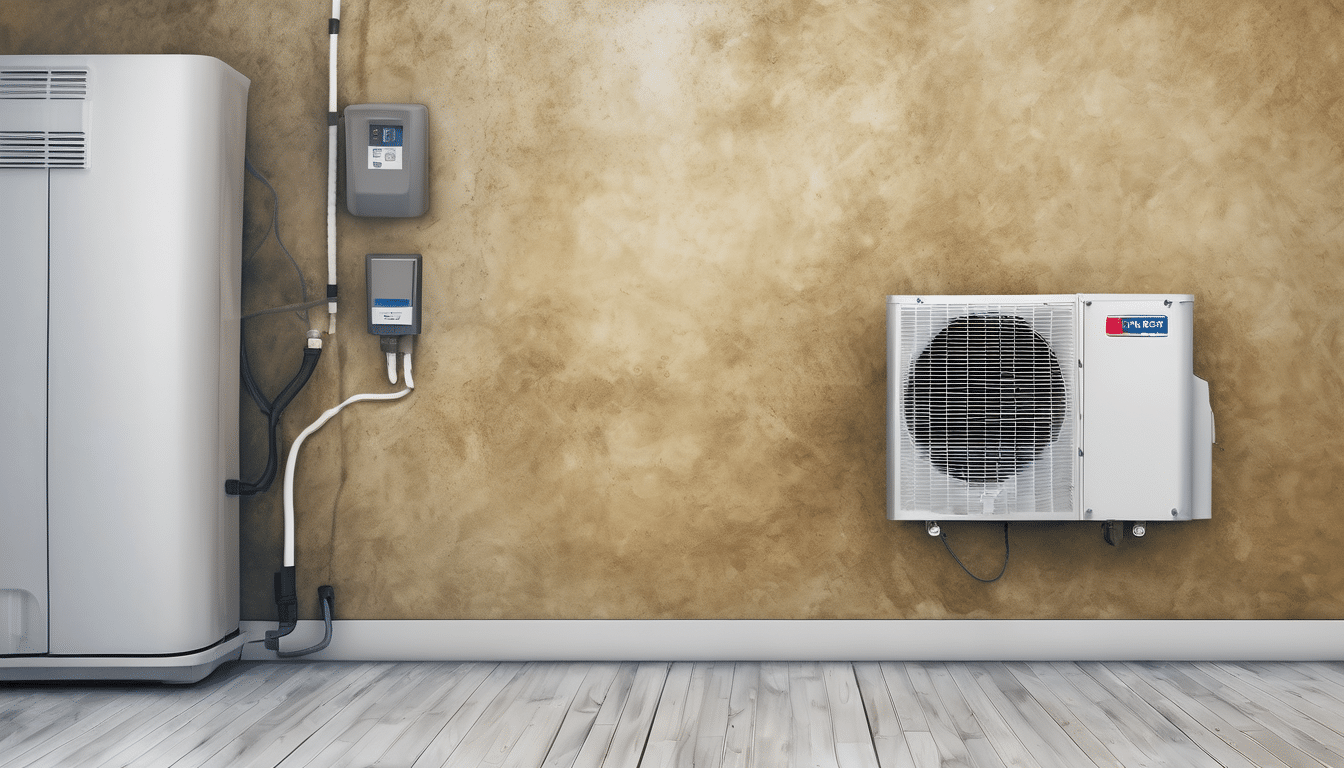
Understanding HVAC Humidity Control Best Practices After Mold Remediation is essential.
Learn how to implement HVAC humidity control best practices following mold remediation, ensuring long-term prevention of mold recurrence in your home.
Introduction to HVAC Humidity Control Best Practices After Mold Remediation
Mold growth can be a significant concern for homeowners and property managers in Dubai, especially after mold remediation efforts. Proper humidity control is crucial in preventing mold from returning, as excessive moisture creates an ideal environment for its proliferation. This article will explore the importance of HVAC (Heating, Ventilation, and Air Conditioning) systems in managing indoor humidity levels and discuss best practices to ensure effective mold prevention.
Understanding HVAC Humidity Control Best Practices After Mold Remediation
After mold remediation, it is essential to understand the role of HVAC systems in controlling indoor humidity. High humidity levels can lead to condensation and moisture accumulation, creating a breeding ground for mold growth. Proper humidity control involves maintaining an optimal relative humidity (RH) level within your home or building, typically between 30% and 50%. This range helps prevent both the growth of harmful molds and the development of mold spores that can trigger allergies and respiratory issues.
Implementing best practices for HVAC systems after mold remediation includes regular maintenance, energy-efficient operations, and advanced moisture management techniques. These strategies not only help in maintaining indoor air quality but also contribute to overall building health and occupant comfort.
Hvac Humidity Control Best Practices After Mold Remediation – Importance of Moisture Removal and Management
Moisture is the primary trigger for mold growth, making its removal and management a critical step in preventing recurrence. After mold remediation, any remaining moisture must be thoroughly addressed to ensure that conditions are not favorable for mold resurgence.
Effective moisture removal techniques include:
- Proper Drying: Utilizing dehumidifiers and air movers to dry out affected areas. This process should continue until all visible and hidden moisture is removed.
- Ventilation Systems: Ensuring proper ventilation, especially in high-moisture zones like bathrooms and kitchens, by using exhaust fans or opening windows during dry periods.
Air sampling can help identify moisture sources that might be contributing to mold growth. By pinpointing these areas, you can take targeted measures to address the root cause of excess humidity.
Proper Ventilation Strategies to Prevent Mold Recurrence
Proper ventilation is a cornerstone in preventing mold recurrence after remediation. Ventilation strategies should aim to maintain consistent indoor air pressure, reduce condensation, and remove excess moisture from the environment.
Key Strategies:
- Sealed Envelopes: Ensuring that your building envelope is sealed properly to prevent outdoor humidity from entering. This includes checking for gaps around windows, doors, and other openings.
- Energy Recovery Ventilators (ERVs): Installing ERVs can provide fresh air while minimizing energy loss by recovering heat or coolness from the outgoing exhaust stream.
In Dubai’s climate, which is characterized by high humidity levels and frequent temperature fluctuations, it is crucial to balance indoor ventilation with energy efficiency. Regularly inspecting and maintaining your HVAC system will help maintain optimal airflow and prevent moisture accumulation.
Humidity Level Targets and Monitoring Devices
Monitoring humidity levels is essential for effective mold prevention. Using digital hygrometers or smart thermostats that can track relative humidity (RH) levels provides valuable data to gauge whether indoor conditions are favorable for mold growth.
Tips:
- Install Hygrometers: Place hygrometers in various rooms, particularly those with high RH readings. This helps identify areas that need additional attention or moisture control measures.
- Set Target Humidity Levels: Aim for an indoor relative humidity between 30% and 50%. Higher levels can lead to condensation issues, while lower levels may result in discomfort and drying of materials.
Regularly check the readings on your monitoring devices to ensure that they align with your target RH levels. This data-driven approach allows for proactive management of indoor humidity, reducing the risk of mold recurrence significantly.
Air Filtration System Improvements for Enhanced Humidity Control
An effective air filtration system can play a significant role in managing indoor humidity and preventing mold growth. High-efficiency particulate air (HEPA) filters are particularly useful as they capture airborne contaminants, including spores that could contribute to mold regrowth.
Key Improvements:
- Upgrade Filters: Replace standard filters with HEPA or activated carbon filters for better particle filtration. Regular filter changes are crucial to maintain their effectiveness.
- Use Humidifiers and Dehumidifiers Wisely: While humidifiers can add moisture, dehumidifiers should be used in tandem to control RH levels effectively. Balancing these systems ensures that indoor air remains within the ideal range.
In Dubai’s climate, where high humidity is common, combining these technologies with proper ventilation strategies will help maintain a more consistent and controlled environment. Regular maintenance of your HVAC system also includes inspecting and cleaning filters to ensure they are functioning optimally.
Maintenance and Service Routines for HVAC Systems
Maintaining your HVAC systems regularly is key to preventing mold recurrence after remediation. Routine checks and servicing can identify potential issues before they lead to moisture accumulation or other problems that could promote mold growth.
Key Maintenance Tasks:
- Inspect Condensate Drains: Regularly check condensate drains for blockages, ensuring they are clear and functioning properly. Blocked drains can lead to water pooling in air conditioning units, which is an ideal environment for mold growth.
- Clean Ductwork: Over time, ducts can accumulate dust, debris, and moisture. Professional cleaning removes these contaminants, improving airflow and reducing the risk of mold spore proliferation.
Maintaining your HVAC system not only ensures its efficiency but also helps in preventing hidden moisture sources that might be contributing to indoor humidity levels. Regular service calls from certified technicians can provide insights into potential issues before they escalate into major problems.
Examples of Best Practices in HVAC Humidity Control
To illustrate the practical application of HVAC humidity control best practices, consider a case study involving a residential property in Dubai. After an initial mold remediation effort, the homeowner installed advanced monitoring devices and upgraded their air filtration system.
Steps Taken:
- Installation of Smart Hygrometers: Placed throughout the home to track RH levels continuously.
- HEPA Filter Upgrade: Replaced standard filters with HEPA and activated carbon filters for better particle filtration.
- Regular Maintenance Schedule: Scheduled bi-annual service calls by a certified HVAC technician to inspect and clean the system, particularly focusing on condensate drains and ductwork.
The implementation of these best practices led to a significant reduction in indoor humidity levels, creating an environment less favorable for mold growth. Regular monitoring through smart hygrometers allowed for timely adjustments to ventilation strategies, ensuring that all areas of the home remained within safe RH ranges.
Expert Tips for Mold Prevention Using HVAC Systems
Here are some expert tips to help you implement effective HVAC humidity control best practices:
- Monitor Regularly: Use smart hygrometers or other monitoring devices to track indoor RH levels. This data-driven approach ensures that your efforts are focused on areas needing the most attention.
- Balance Ventilation and Dehumidification: In high-humidity environments like Dubai, balance ventilation with dehumidification to maintain optimal RH levels. Using ERVs can provide fresh air while maintaining energy efficiency.
- Regular Maintenance: Schedule regular service calls for your HVAC system to inspect and clean components, particularly condensate drains and ductwork. This proactive approach prevents hidden moisture sources from contributing to indoor humidity.
By following these expert tips, you can create a more controlled environment that minimizes the risk of mold recurrence after remediation efforts.
FAQ Section: Common Questions About HVAC Humidity Control
- Q: How often should I check my indoor humidity levels?
A: Regularly, ideally using smart hygrometers. Check at least once a week and more frequently if you notice any changes or concerns.
- Q: Can air conditioners alone control indoor humidity effectively?
A: Air conditioners can reduce indoor temperature but are not sufficient for controlling RH levels consistently. Combining them with dehumidifiers and proper ventilation is recommended.
- Q: What are the signs of hidden moisture in HVAC systems?
A: Signs include musty odors, water pooling around air conditioning units, or visible mold growth within the system. Regular inspections can help identify these issues early. This relates directly to Hvac Humidity Control Best Practices After Mold Remediation.
Conclusion and Next Steps
Proper HVAC humidity control is vital in preventing mold recurrence after remediation efforts. By understanding the importance of maintaining optimal RH levels, implementing best practices like regular maintenance and advanced monitoring, and following expert tips, you can significantly reduce the risk of mold growth in your home or building.
To ensure long-term success, consider these next steps:
- Invest in Monitoring Devices: Install smart hygrometers to track indoor humidity levels continuously.
- Upgrade HVAC Systems: Replace standard filters with HEPA and activated carbon filters for better particle filtration. Consider adding dehumidifiers if needed.
- Schedule Regular Maintenance: Arrange bi-annual service calls to inspect and clean your HVAC system, focusing on condensate drains and ductwork.
By taking these proactive steps, you can create a healthier indoor environment that minimizes the risk of mold recurrence, ensuring both comfort and safety for occupants.