
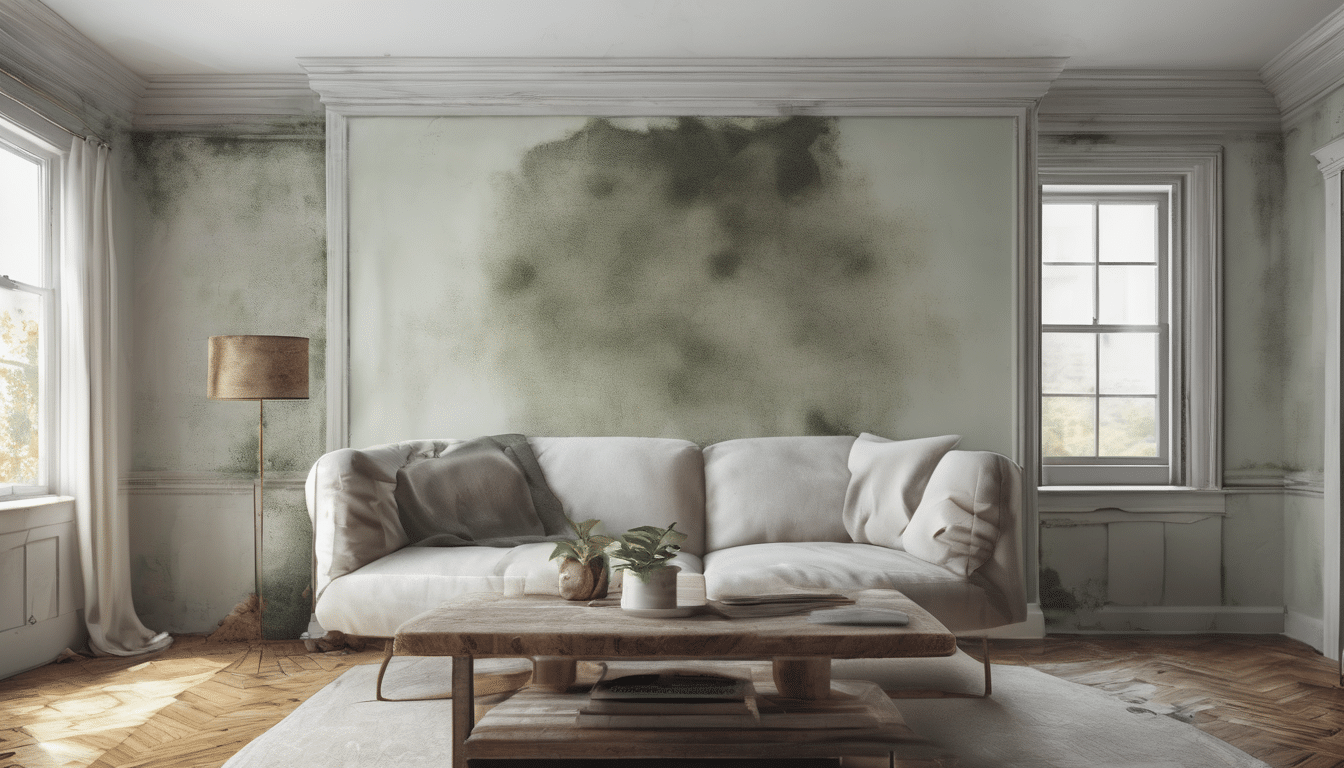
Understanding How To Prevent Mold From Returning After Mold Remediation
Understanding Prevent Mold From Returning After Mold Remediation is essential. Mold remediation addresses visible signs of mold but does not guarantee long-term success without addressing underlying issues. Understanding why mold returns is key to preventing it from reappearing.
Prevent Mold From Returning After Mold Remediation – Identifying Root Causes of Mold Growth
Mold thrives in environments with excessive moisture, poor airflow, and the presence of organic materials. Identifying these root causes is crucial to preventing mold from returning after remediation.
Humidity and Condensation
High humidity levels can lead to condensation on surfaces, creating ideal conditions for mold growth. In Dubai’s climate, even indoor air with 60-70% relative humidity can cause significant moisture issues, especially in kitchens, bathrooms, and laundry areas.
Water Damage
Visible water damage from leaks or flooding is a clear sign of mold potential. However, hidden water damage behind walls, under floors, or within HVAC systems can be equally problematic if not addressed during remediation.
Prevent Mold From Returning After Mold Remediation – Controlling Moisture and Airflow
Effective moisture control is the cornerstone of preventing mold from returning. Proper airflow helps reduce humidity levels and dries out surfaces quickly after moisture events.
Dehumidification Strategies
Install dehumidifiers in high-moisture areas such as basements, bathrooms, and kitchens to maintain relative humidity below 60%. Regularly check the dehumidifier’s water collection tray to ensure it is emptied promptly.
Ventilation Systems
Ensure that ventilation systems are functioning optimally. In Dubai’s climate, exhaust fans and air conditioners can significantly reduce indoor moisture levels when used properly. High-efficiency filters help trap airborne mold spores, reducing the risk of recontamination.
Selecting Appropriate Materials and Finishes
The materials used in a building can greatly influence its susceptibility to mold growth. Choosing appropriate finishes that resist moisture absorption is essential for long-term mold prevention.
Water-Resistant Surfaces
Use water-resistant paints, sealants, and plasters in high-moisture areas like bathrooms, kitchens, and laundry rooms. These surfaces prevent water from penetrating into the substrate, reducing the risk of mold growth.
Material Compatibility
Select materials that are compatible with each other to avoid moisture-related issues. For instance, ensure that wood finishes are properly sealed and that plumbing fixtures do not cause condensation or leaks.
Implementing Proper Ventilation Strategies
Adequate ventilation is crucial for maintaining indoor air quality and preventing the build-up of moisture. Proper ventilation strategies should be designed to address specific environmental conditions in Dubai’s climate. This relates directly to Prevent Mold From Returning After Mold Remediation.
Air Exchange Rates
Ensure that there is a sufficient air exchange rate within your property. This can be achieved by using mechanical ventilation systems or passive ventilation solutions such as windows and vents.
HVAC System Integration
Integrate your HVAC system with proper humidity control features. High-quality filters, moisture sensors, and programmable thermostats can help maintain optimal indoor conditions year-round.
Monitoring and Maintenance Plan
A proactive approach to monitoring and maintaining your property is vital in preventing mold from returning after remediation. Regular inspections and maintenance can identify potential issues before they escalate into full-blown problems.
Moisture Mapping
Use moisture mapping tools to detect areas of high humidity or water damage. This can help in identifying problem spots that may require additional attention during regular maintenance.
Regular Inspections
Schedule regular inspections by a professional indoor environmental consultant. They can provide insights into hidden moisture sources and recommend preventive measures to avoid mold growth.
Expert Tips for Long-Term Prevention
Implementing expert tips is crucial for maintaining a mold-free environment in Dubai’s climate. These practical strategies go beyond the typical DIY methods and ensure long-lasting results.
Thorough Mold Removal
Ensure that any visible or hidden mold is properly removed during remediation. Use EPA-approved biocides and antimicrobial agents to kill existing spores and prevent regrowth.
Cross-Contamination Prevention
During the remediation process, take measures to prevent cross-contamination. This includes proper containment of affected areas, use of HEPA-filtered air cleaners, and handling of contaminated materials with care.
FAQ Section on Preventing Mold Return
Address common questions about preventing mold from returning after remediation. This section provides clarity and reassurance to homeowners and professionals alike.
- Q: Can I use DIY methods for moisture control?
- While some DIY methods can be useful, they may not address all the underlying issues contributing to mold growth. Professional assessments are recommended to ensure comprehensive solutions.
Conclusion
To effectively prevent mold from returning after remediation in Dubai’s climate, it is essential to address root causes and implement a proactive maintenance plan. By understanding the environmental factors that contribute to mold growth and taking appropriate measures, you can maintain a healthy indoor environment for years to come. Understanding Prevent Mold From Returning After Mold Remediation is key to success in this area.