
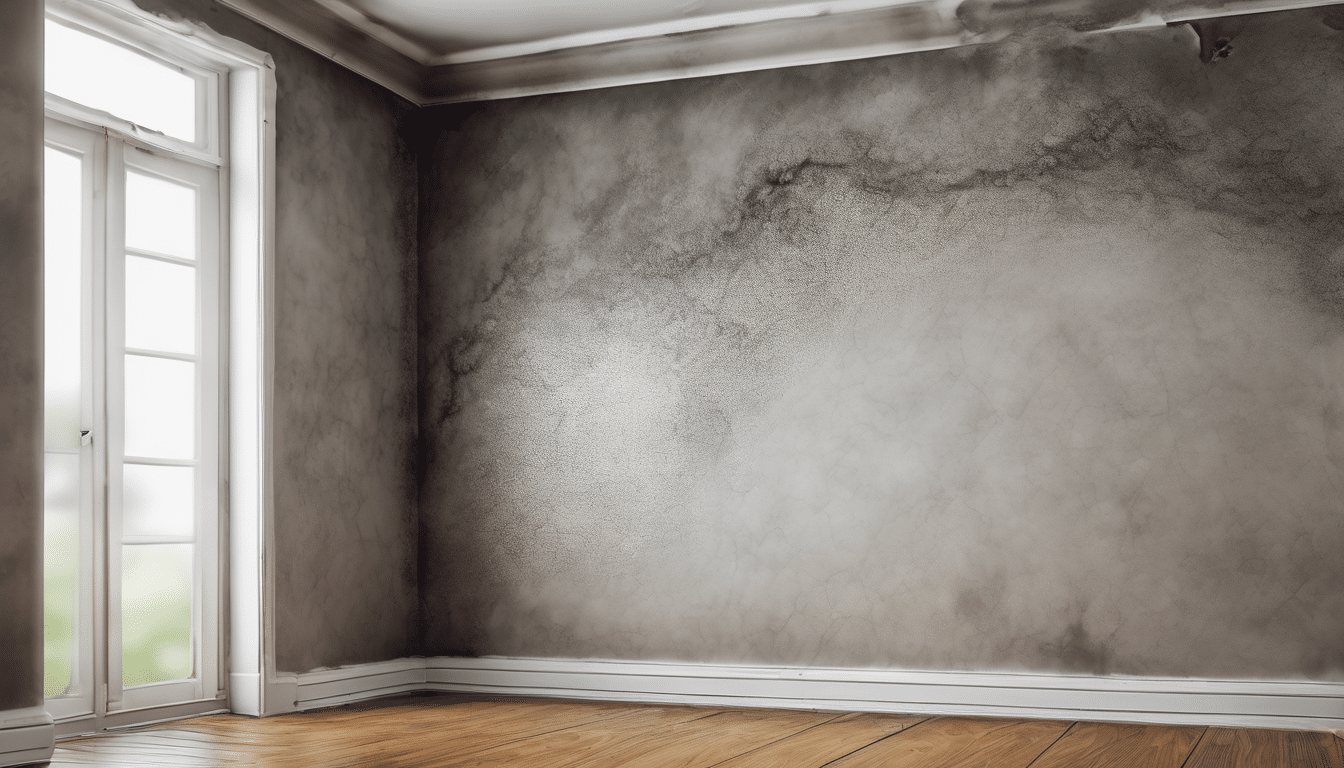
Understanding Long-Term Moisture Control Strategies Post-Mold Remediation
Long-term moisture control is crucial after mold remediation to ensure the health and longevity of your property. Mold thrives in damp environments, so preventing future moisture issues requires a comprehensive approach that addresses both the immediate aftermath of remediation and ongoing maintenance. This relates directly to Long-term Moisture Control Strategies Post-mold Remediation.
Long-term Moisture Control Strategies Post-mold Remediation – Strategic Building Upgrades for Dryness
Addressing building envelope weaknesses can significantly reduce moisture intrusion. This includes sealing gaps around windows, doors, plumbing, and electrical fixtures to prevent drafts that can lead to condensation.
Seal Gaps Around Windows and Doors
Use weatherstripping and caulking to fill gaps around windows and doors. This prevents air leaks that can cause excessive moisture in your home, especially during colder months when warm indoor air meets cold outdoor air.
Long-term Moisture Control Strategies Post-mold Remediation – High-Quality HVAC System Maintenance
A well-maintained heating, ventilating, and air conditioning (HVAC) system is essential for maintaining indoor dryness. Regular servicing ensures that components like filters, dampers, and compressors function optimally.
Regular Service and Maintenance
Replace HVAC filters every three months to improve airflow and prevent dust accumulation. Inspect and adjust dampers for proper air distribution and humidity control. Schedule annual maintenance with a certified technician to ensure system efficiency.
Improved Ventilation and Air Exchange
Increase the effectiveness of your ventilation systems by ensuring they are properly sized and positioned. This helps remove moisture-laden air before it can condense and cause issues.
Install Whole-House Fans
Whole-house fans promote cross-ventilation during warm periods, helping to remove excess moisture from your home. Ensure they are installed in areas that facilitate the flow of fresh air throughout the house.
Proper Moisture Management Materials
Selecting appropriate materials that can withstand damp conditions is key. This includes using mold-resistant paints, sealants, and building components.
Use Mold-Resistant Paints and Sealants
Apply paint designed to inhibit mold growth in areas prone to moisture, such as bathrooms and kitchens. Use silicone or acrylic-based sealants to prevent water penetration in susceptible areas like bathrooms and kitchens.
Monitoring and Verification Processes
Implement regular monitoring to track humidity levels and ensure they remain within safe ranges. This involves using hygrometers and other tools to measure relative humidity (RH).
Use Hygrometers for Continuous Monitoring
Place hygrometers in key areas of the home, such as basements, attics, and bathrooms. Regularly check these devices to ensure they are functioning correctly and provide accurate readings.
Expert Tips for Dryness Sustenance
Here are some practical tips to help maintain long-term dryness in your home:
- Regular Inspections: Conduct regular inspections to identify and address any new sources of moisture.
- Use Dehumidifiers: Use dehumidifiers in areas with high humidity, especially during specific seasons. They help reduce moisture levels effectively.
- Schedule Laundry Properly: Ensure that tasks like laundry are scheduled to minimize the amount of wet clothing in your home, as this can contribute to increased humidity.
FAQ Section Post-Mold Remediation
- How can I tell if my HVAC system is working properly?
-
Check for consistent airflow, proper temperature distribution, and no unusual noises. Regular maintenance and cleaning are essential.
Are dehumidifiers necessary in all homes?
No, but they can be beneficial in areas with high humidity or during specific seasons. They help reduce moisture levels effectively.
What should I do if I notice condensation on my windows?
Address the issue by improving ventilation, adjusting window treatments, and ensuring proper insulation. Persistent issues may require professional attention.
Conclusion: Long-Term Strategies for Moisture Control
Long-term moisture control is essential to prevent future mold growth after remediation. By implementing strategic building upgrades, maintaining high-quality HVAC systems, and ensuring proper ventilation, you can significantly reduce the risk of moisture-related issues.
Regular monitoring, using hygrometers, and keeping a record of humidity levels will help you stay ahead of any potential problems. Following these expert tips and understanding the long-term strategies for moisture control is key to maintaining a healthy indoor environment in your Dubai home. Understanding Long-term Moisture Control Strategies Post-mold Remediation is key to success in this area.