
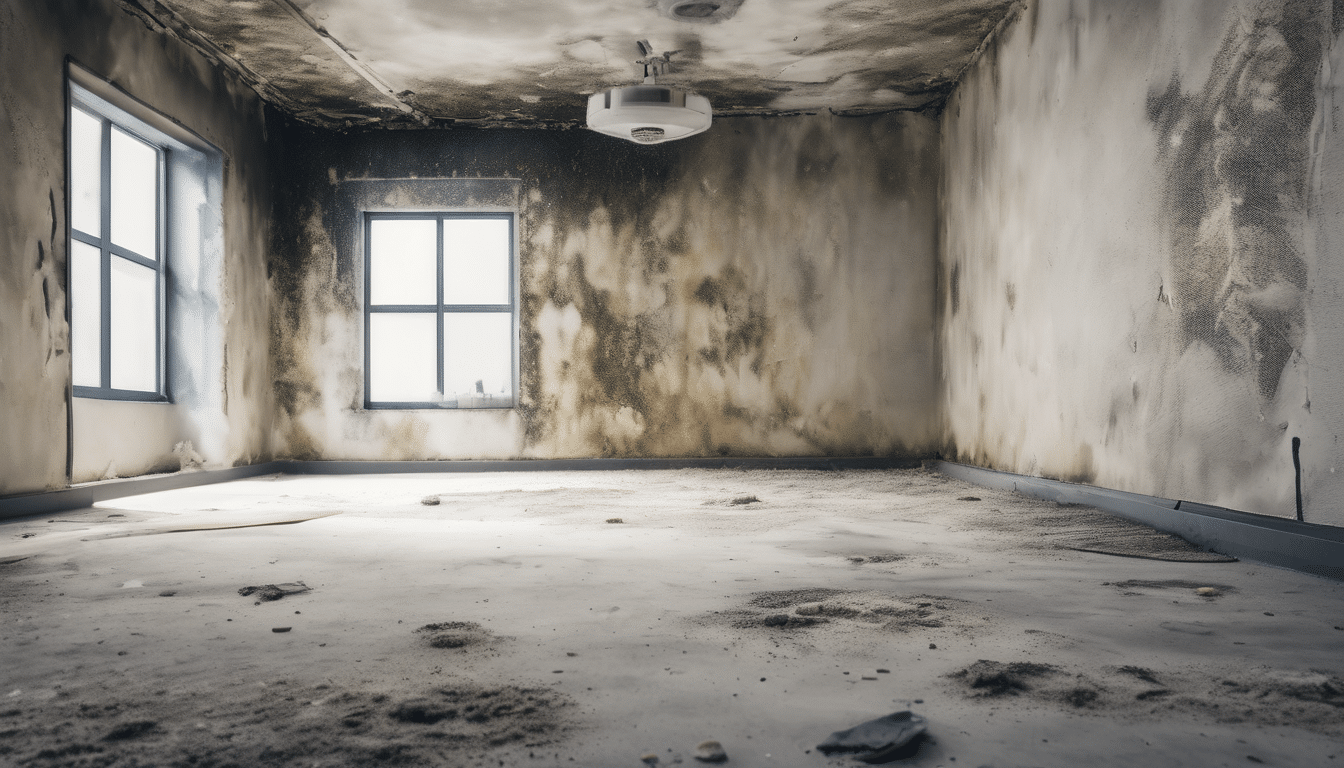
Air quality testing post-mold remediation is a critical step in ensuring that your property remains safe and healthy. This article outlines comprehensive guidelines tailored specifically for Dubai, guiding you through the necessary procedures to confirm successful mold removal.
Understanding Post-Mold Removal Air Quality Testing Guidelines for Dubai
Post-mold removal air quality testing is essential to ensure that the remediation efforts have been successful and that your indoor environment remains safe. In Dubai, where high humidity and air conditioning create ideal conditions for mold growth, it’s crucial to follow a thorough testing protocol.
Why Post-Mold Removal Testing Is Important
Post-mold removal testing helps identify residual mold spores that may have been missed during remediation and ensures that the air quality meets safe standards. This process is critical for protecting occupant health, especially in high-risk environments such as schools, hospitals, and homes with sensitive individuals.
Post-mold Removal Air Quality Testing Guidelines For Dubai – The Importance of Testing After Mold Remediation in Dubai
In the UAE climate, where humidity levels can be high, proper testing is essential. The aim is to ensure that all mold spores have been eliminated and that the air quality meets safe standards. This step is crucial for maintaining a healthy indoor environment, especially given the region’s warm and humid conditions. When considering Post-mold Removal Air Quality Testing Guidelines For Dubai, this becomes clear.
Benefits of Post-Mold Removal Testing
- Confirms that mold has been effectively removed
- Avoids potential health risks from residual spores
- Maintains a safe indoor environment for occupants
- Ensures compliance with local regulations and standards
Post-mold Removal Air Quality Testing Guidelines For Dubai – Identifying Appropriate Testing Methods for Your Property
The choice of testing method depends on the type of mold, the size of the affected area, and the specific concerns. Common methods include air sampling, surface sampling (swab/tape lift), and bulk material analysis.
Air Sampling
Air sampling involves collecting samples from the indoor environment to measure spore levels. This method is effective in identifying residual mold spores that may have been missed during remediation. It’s particularly useful in large, complex properties where thorough visual inspection might be challenging.
Surface Sampling
Surface sampling involves collecting samples from surfaces such as walls, floors, and ceilings using swabs or tape lifts. This method is essential for identifying hidden mold growth that may not be visible during initial inspections. It helps in pinpointing areas where remediation efforts need to be intensified. The importance of Post-mold Removal Air Quality Testing Guidelines For Dubai is evident here.
Preparing Your Property for Post-Mold Removal Air Quality Testing
Proper preparation is crucial to ensure accurate and reliable test results. Follow these steps before conducting air quality testing:
- Clean the area thoroughly. Ensure that surfaces are clean and free from debris, as this can interfere with sample collection.
- Avoid using cleaning products with strong odors. Strong odors can affect test results and make it difficult to accurately measure background air quality.
- Close windows and doors. Minimize outdoor contaminants that could enter the testing area and skew results.
- Use appropriate personal protective equipment (PPE). Wear gloves, masks, and other PPE to prevent contamination during sampling.
Conducting the Testing Process
The testing process involves several steps:
- Select a qualified laboratory for analysis. Choose an accredited lab that uses advanced techniques to ensure accurate results.
- Collect samples according to the chosen method. Ensure that samples are collected from various locations, including high-risk areas such as bathrooms and kitchens.
- Follow proper chain-of-custody procedures. Document sample collection methods and storage conditions to ensure integrity of test results.
Interpreting and Verifying Test Results
The interpretation of test results is critical for confirming the success of mold remediation efforts. Here’s how to verify your findings: Understanding Post-mold Removal Air Quality Testing Guidelines For Dubai helps with this aspect.
- Review lab reports. Look for specific species identification, spore counts, and other relevant data.
- Compare baseline data with current results. If available, compare test results with pre-mold remediation samples to assess improvement.
- Seek second opinions if necessary. If initial results are inconclusive or raise concerns, consider consulting another laboratory for a second opinion.
Ensuring Long-Term Air Quality Management After Mold Removal
Maintaining good air quality after mold remediation is crucial. Implement the following strategies to ensure long-term success:
- Implement moisture control measures. Address underlying causes of high humidity, such as leaks or poor ventilation.
- Regularly inspect and maintain HVAC systems. Clean filters, replace as needed, and consider installing dehumidifiers where necessary.
- Monitor air quality regularly. Schedule periodic testing to ensure that mold does not return.
Expert Tips for Post-Mold Removal Air Quality Testing in Dubai
Here are some expert tips to help you navigate the post-mold removal air quality testing process effectively:
- Select a professional with expertise in indoor environmental health. Look for someone who has experience with mold remediation and air quality testing in Dubai’s climate.
- Request detailed reports. Ensure that the laboratory provides comprehensive data, including species identification and spore counts.
- Understand test limitations. Be aware that some tests may not detect very low levels of mold spores. Discuss these limitations with your testing provider.
Frequently Asked Questions About Post-Mold Removal Air Quality Testing
Here are some common questions about post-mold removal air quality testing:
How long does it take to get test results?
Typically, results can be obtained within 7-10 business days after sample submission.
Can I perform my own testing?
While DIY kits are available, professional testing is recommended for accuracy and reliability.
What if test results show elevated mold levels?
If results indicate continued presence of mold spores, consult with a professional to develop an action plan.
Conclusion
Post-mold removal air quality testing is a critical step in ensuring the safety and health of your property. By understanding the importance of this process, identifying appropriate testing methods, and following best practices for preparation and interpretation, you can maintain a healthy indoor environment. Understanding Post-mold Removal Air Quality Testing Guidelines For Dubai is key to success in this area.