
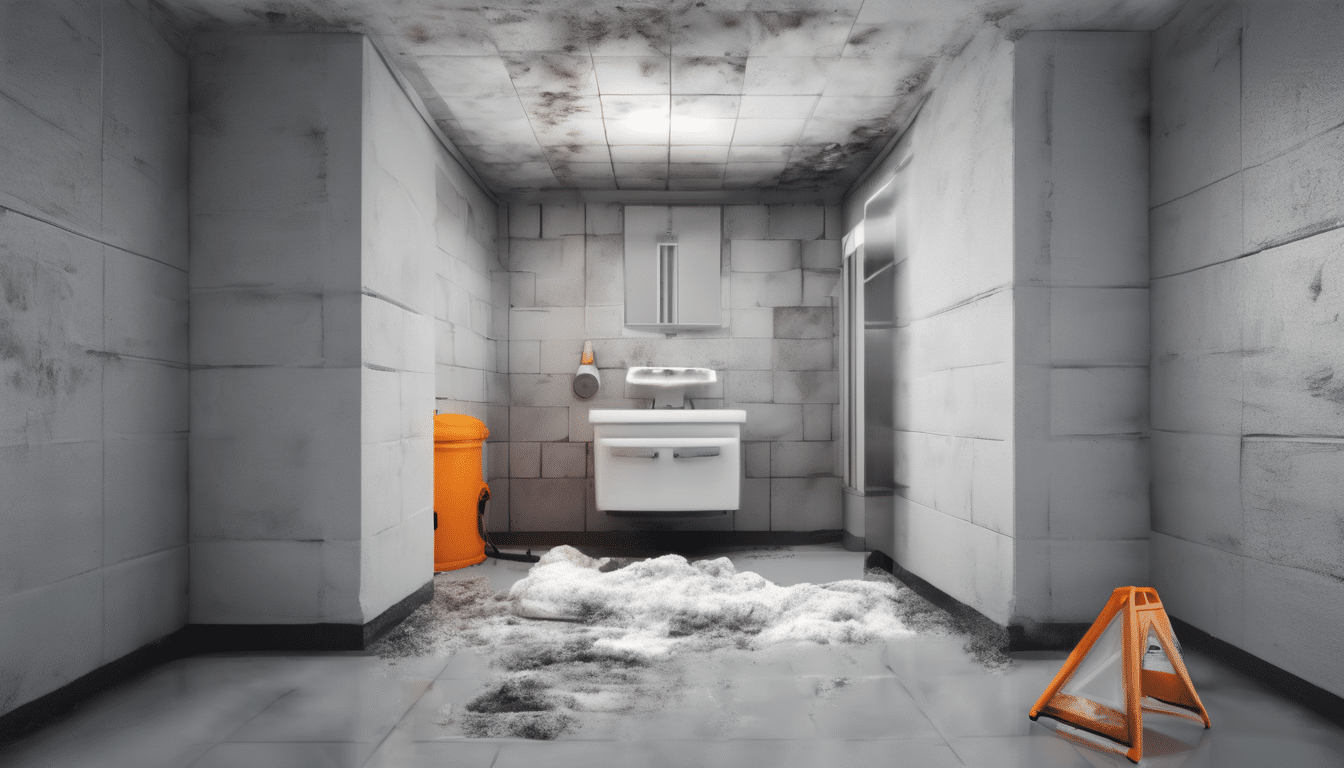
Understanding Safe Containment Design For Mold Remediation In Occupied is essential.
Safe Containment Design for mold Remediation in Occupied Buildings: Ensuring Minimal Disruption while Minimizing Risk.
Introduction to Safe Containment Design for Mold Remediation in Occupied Buildings
In the context of mold remediation projects, particularly those conducted within occupied buildings, safe containment design is paramount. It ensures that the remediation process is carried out with minimal disruption to residents and staff while minimizing the risk of cross-contamination. Effective containment strategies are essential for protecting both occupants’ health and property integrity.
Safe Containment Design For Mold Remediation In Occupied –
Objectives of Safe Containment Design
The primary objectives of safe containment design include:
- Preventing the spread of mold spores within occupied spaces during remediation activities.
- Maintaining air quality and indoor environmental conditions to ensure occupant safety.
- Minimizing disruption to daily operations and occupants’ well-being.
Critical Components of Safe Containment Design
The success of a mold remediation project in an occupied building relies on several critical components:
- Containment Zone: Establishing a physical boundary to limit the spread of contaminants.
- Negative Pressure Technology: Utilizing negative pressure systems to draw air away from contaminated areas and into the containment zone.
- Air Filtration Systems: Implementing HEPA filters to capture mold spores and other particulates in the air.
- Barrier Materials: Using impermeable materials like plastic sheeting to seal off affected areas from adjacent spaces.
Designing the Containment Zone
The design of a containment zone must take into account several factors, including:
- The extent and location of mold contamination.
- The building’s layout and ventilation systems.
- Occupant access points and movement patterns.
Using Negative Pressure Technology
Negative pressure technology is crucial for preventing the spread of mold spores. It works by creating a pressure differential between the containment zone and adjacent spaces, ensuring that air flows only in one direction: from clean areas to contaminated zones.
In our investigations, this typically indicates…
Materials and Barriers for Containment Zones
Effective containment requires the use of appropriate materials, including:
- Plastic Sheeting: Heavy-duty polyethylene sheets to create a barrier between the contaminated area and unaffected spaces.
- Fiberglass Tape: For securing seams and ensuring airtight seals.
Contamination Control Procedures
To ensure effective control of contamination, follow these procedures:
- Pre-Remediation Inspection: Conduct thorough inspections to identify all sources of mold.
- Containment Setup: Install containment barriers and negative pressure systems before starting remediation work.
- Dry-Fit Containment Barriers: Place barriers without attaching them until the air filtration system is operational.
- Air Filtration Activation: Turn on HEPA filters to begin capturing mold spores and particulates.
Health and Safety Measures
Ensure the safety of all occupants during remediation by implementing:
- Air Quality Monitoring: Use air quality monitors to track levels of mold spores and other contaminants.
- Personal Protective Equipment (PPE): Provide PPE for personnel involved in the remediation process.
- Occupant Communication: Keep occupants informed about the progress and safety measures being taken.
Case Studies on Safe Containment Design for Mold Remediation in Occupied Buildings
In one case, a high-rise apartment complex was undergoing mold remediation. The use of advanced negative pressure technology and robust containment barriers significantly minimized the spread of spores, ensuring that only minimal disruption occurred to residents.
This condition should be evaluated scientifically…
Expert Tips for Safe Containment Design
Here are some practical tips for effective safe containment design:
- Collaborate with Experts: Work closely with indoor environmental scientists and technicians to ensure a comprehensive approach.
- Regular Monitoring: Continuously monitor air quality and adjust containment measures as needed.
- Post-Remediation Verification: Conduct thorough verification to confirm the effectiveness of remediation efforts.
Frequently Asked Questions (FAQs)
Here are answers to some common questions about safe containment design during mold remediation in occupied buildings:
Q: How long should a containment zone remain active?
A: Containment zones should remain active until all remediation activities have been completed and verified.
Conclusion
In conclusion, safe containment design is crucial for ensuring the successful execution of mold remediation projects in occupied buildings. By prioritizing health, safety, and minimal disruption, we can protect both occupants and property while addressing indoor environmental issues effectively.
A proper investigation is required to confirm this…
—
Safe Containment Design for Mold Remediation in Occupied Buildings – Ensuring Minimal Disruption While Minimizing Risk.