
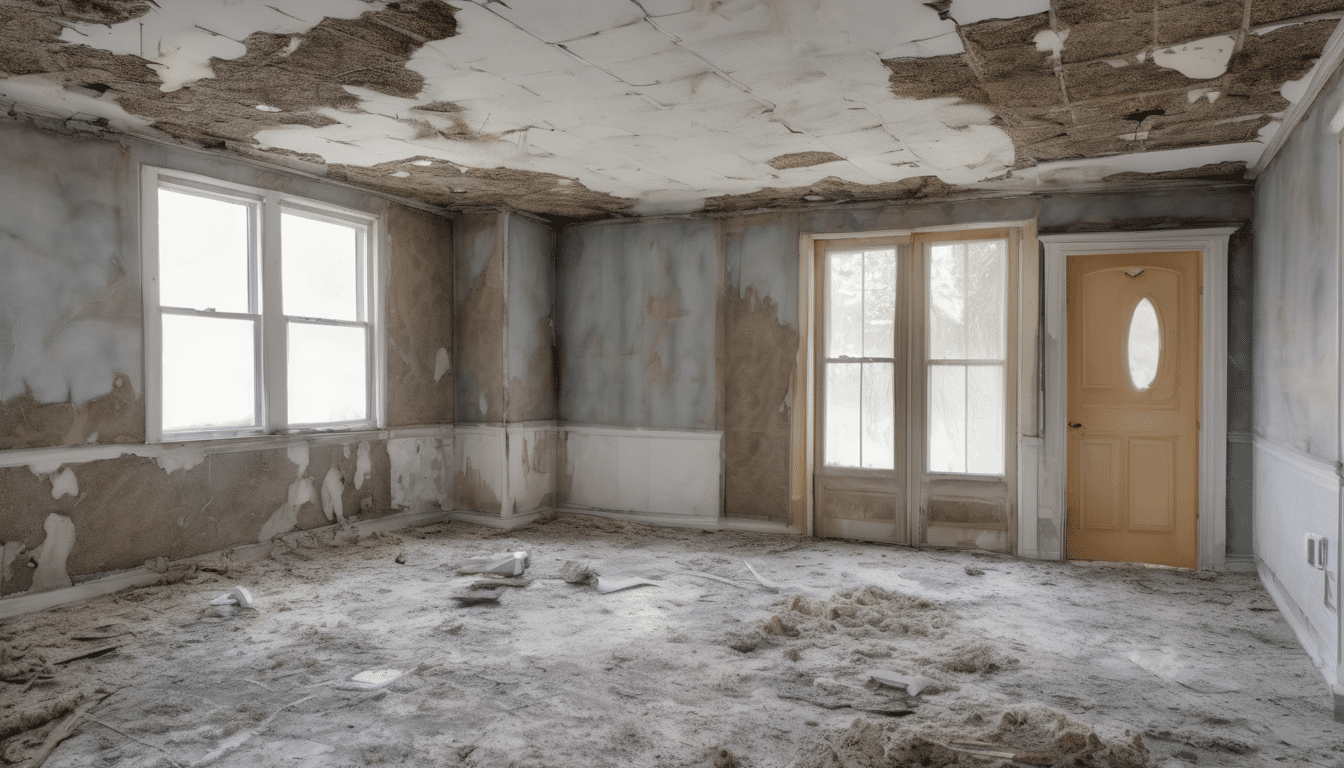
Ensuring your home remains free from mold after remediation requires thorough post-remediation verification. Learn the key steps, methods, and expert tips that can help you achieve long-term success.
Understanding Post-Remediation Verification: Ensuring Mold-Free Homes
Post-remediation verification is a critical step in ensuring the effectiveness of mold remediation efforts. This process involves conducting thorough investigations to confirm that all signs of mold have been addressed and the environment is safe for occupancy.
Post-Remediation Verification Steps for Mold-Free Homes
Effective post-remediation verification requires a systematic approach. Here are the key steps to ensure your home remains mold-free:
- Hire a Professional: Engage an experienced indoor environmental consultant who can perform comprehensive testing and inspections.
- Visual Inspection: Conduct a thorough visual inspection of all areas where mold was detected or could have potentially grown. Look for any signs of moisture, discoloration, or structural issues that might indicate hidden mold growth.
- Moisture Mapping: Use thermal imaging to identify areas with excess moisture. High humidity and water damage are often precursors to mold growth.
- Air Sampling: Collect air samples from various locations in the home, including both affected and unaffected areas. Analyze these samples for mold spores using advanced lab techniques.
- Surface Sampling: Take surface samples (swab or tape lift) from suspect areas to identify specific mold species present. This helps in understanding the extent of contamination and appropriate remediation methods.
Why Post-Remediation Verification is Important
Post-remediation verification ensures that remediation efforts are effective, providing peace of mind to homeowners and occupiers. It also helps in identifying any overlooked areas or potential sources of future mold growth:
- Avoids Regrowth: By confirming the absence of active mold colonies, you can prevent regrowth and the associated health risks.
- Mitigates Health Risks: Ensuring that all mold spores are eliminated reduces the risk of mycotoxin exposure and related health issues.
- Ensures Compliance: Post-remediation verification helps meet regulatory standards, providing legal and ethical assurance for both property owners and occupants.
Common Mistakes to Avoid in Post-Remediation Verification
To achieve successful post-remediation verification, avoid these common pitfalls:
- Overlooking Hidden Growth: Mold can grow behind walls, under floors, or within HVAC systems. A thorough inspection is necessary to detect hidden colonies.
- Insufficient Testing: Relying solely on visual inspections without conducting air and surface sampling can lead to incomplete verification.
- Hiring Unqualified Professionals: Engaging inexperienced or unqualified individuals may result in subpar testing and inaccurate conclusions.
Post-Remediation Verification Methods: What You Need to Know
To ensure accurate post-remediation verification, use the following methods:
- Air Sampling: Use air sampling equipment to collect samples from various indoor locations. Analyze these samples for mold spores and other biological contaminants.
- Surface Sampling: Collect surface samples using swabs or tape lifts, especially in areas where visible mold was detected or suspected.
- Thermal Imaging: Utilize thermal imaging technology to identify moisture hotspots that may indicate hidden mold growth. This can be particularly useful in identifying condensation-driven issues.
- Microbiology Lab Analysis: Send collected samples to a certified laboratory for species identification and risk assessment. This provides detailed insights into the types of mold present and their potential health impacts.
Expert Tips for Post-Remediation Verification: Ensuring Mold-Free Homes
Here are some practical tips to enhance post-remediation verification efforts:
- Select a Professional with Expertise: Choose an indoor environmental consultant who has extensive experience in mold remediation and verification. A knowledgeable professional can provide valuable insights and ensure thorough testing.
- Document the Process: Keep detailed records of all inspection findings, test results, and remediation actions taken. This documentation serves as a reference for future evaluations and helps establish accountability.
- Regular Monitoring: Implement a long-term monitoring plan to track any changes in indoor environmental conditions that could indicate the presence of mold. Regular checks help identify issues early before they become problematic.
Frequently Asked Questions About Post-Remediation Verification
Here are answers to some common questions about post-remediation verification:
- How often should I conduct post-remediation verification? Conducting regular inspections, ideally at least annually, helps ensure ongoing safety and compliance.
- What if mold reappears after remediation? If mold regrows, it is essential to identify the root cause of moisture issues. Addressing these underlying problems will prevent future occurrences.
Conclusion on Post-Remediation Verification: Ensuring Mold-Free Homes
Post-remediation verification is a crucial step in ensuring the long-term success of mold remediation efforts. By following best practices, avoiding common mistakes, and leveraging advanced testing methods, you can achieve a truly mold-free home. Regular inspections and proactive maintenance will help maintain your indoor environment’s health and safety. Understanding Post-remediation Verification: Ensuring Mold-free Homes is key to success in this area.