
Introduction
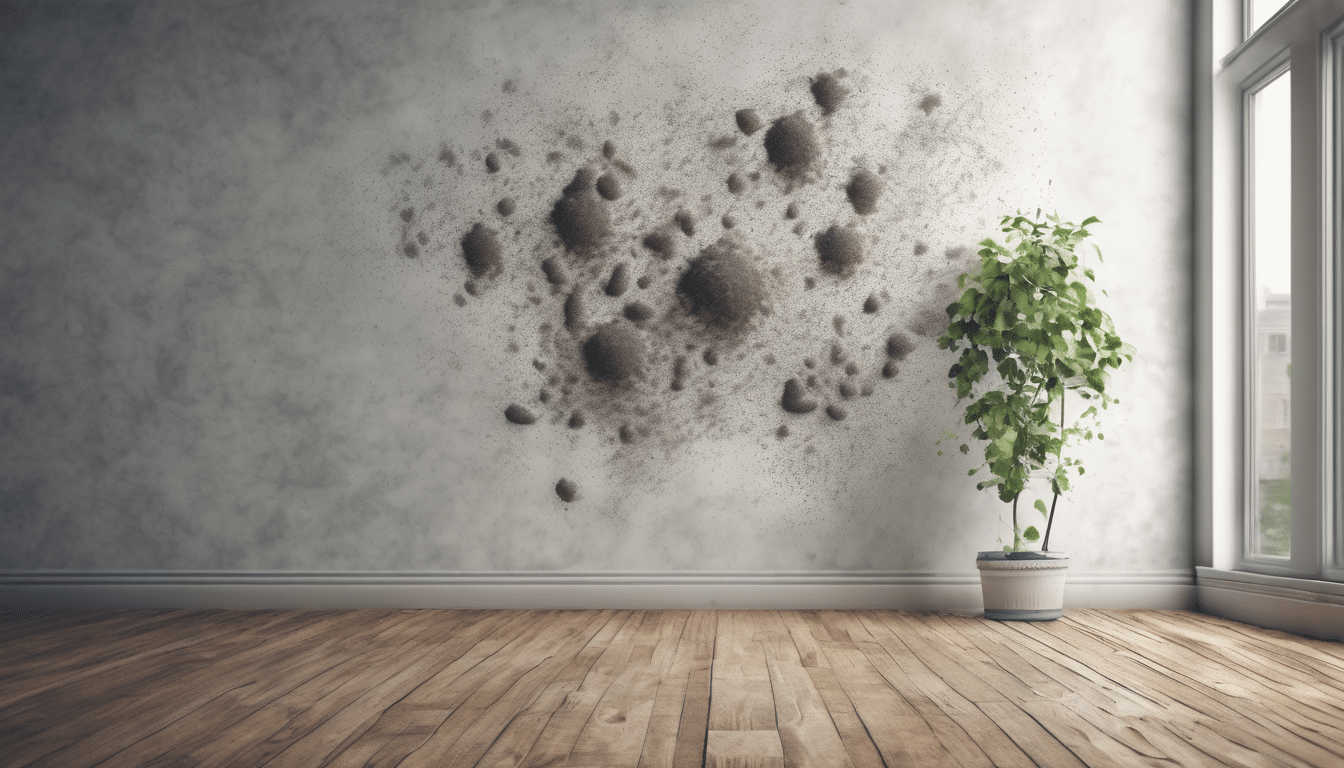
How mold spreads in indoor environments is a complex issue that requires understanding the underlying mechanisms. Mold spores are ubiquitous and can easily enter buildings through open doors, windows, or HVAC systems. Once inside, these spores find ideal conditions to germinate if moisture, warmth, and nutrients are present.
How Mold Spreads In Indoor Environments: Understanding the Moisture Source
Water is a primary driver of mold growth in indoor environments. Sources of excess moisture can include leaks from pipes or roofs, condensation on cold surfaces, and humidity that exceeds healthy levels. In Dubai and other hot, humid climates, air conditioning systems can exacerbate this issue by creating conditions favorable for mold.
Common Moisture Sources in Indoor Environments
- Leaking pipes or faucets
- Overflow from bathtubs, showers, or sinks
- Moldy HVAC system components due to improper maintenance
- High humidity levels in the air conditioning systems (exceeding 60%)
How Mold Spreads In Indoor Environments: Temperature and Mold Growth
Temperature plays a crucial role in mold propagation. Most molds thrive between 4°C to 37°C, with an optimal range of around 20°C to 25°C. In Dubai’s climate, the summer months can create ideal conditions for mold growth due to high indoor temperatures and humidity.
Optimal Temperature Ranges for Mold Growth
- Humidity levels above 60% promote faster mold growth
- Molds can begin growing on surfaces within a few days if conditions are right
- Lower temperatures may slow down but do not stop mold growth completely
Airflow Dynamics and Mold Spreading
Air circulation patterns significantly impact how mold spreads. In poorly ventilated spaces, moisture-laden air can travel through ducts or gaps in walls, carrying spores to new areas where they can find a suitable environment.
Airflow Patterns and Mold Spread
- Attics and crawl spaces are common sources of mold spread due to inadequate ventilation
- Ductwork can distribute spores throughout the building, leading to hidden growth in less accessible areas
- Unsealed gaps around windows, doors, and plumbing fixtures allow for easier mold migration
Building Materials and Their Role in Mold Spread
The materials used in a building can greatly influence where and how quickly mold spreads. Common materials like gypsum board, wood, insulation, and carpet provide organic matter that supports fungal growth.
Common Building Materials That Support Mold Growth
- Gypsum board (drywall) is highly susceptible to moisture damage
- Wooden structures can retain water for extended periods, leading to internal mold growth
- Insulation materials often contain organic fibers that encourage mold development
- Carpeting in damp areas can act as a breeding ground for mold spores
Hidden Mold Growth Behind Walls
Mold can grow behind walls, under floors, and within HVAC systems without visible signs. This hidden growth is particularly concerning because it can spread through air distribution pathways or seep into other areas of the building.
Indicators of Hidden Mold Growth Behind Walls
- Musty odors that cannot be easily traced to a single source
- Dampness or water stains on walls, floors, or ceilings
- Visible mold in areas not directly exposed to the elements
- Water damage from leaks that has gone undetected for an extended period
Common Indoor Spaces Where Mold Spreads Quickly
Certain indoor spaces are more prone to mold growth due to their inherent conditions. Bathrooms, kitchens, laundry rooms, and basements are common culprits, but even living areas can become breeding grounds if moisture levels are not managed properly.
Indoor Spaces Most Likely to See Rapid Mold Growth
- Bathrooms: High humidity, frequent water use
- Kitchens: Spills, high temperatures from appliances
- Laundry rooms: Damp clothes, condensation on walls
- Basements: Moisture penetration, poor ventilation
- Living areas with poor airflow and humidity control
Expert Tips for Preventing Mold Spread
To prevent mold spread in indoor environments, it is crucial to address the root causes of moisture. Here are some expert tips:
- Regularly check and repair any leaks or water damage.
- Ensure proper ventilation in high-moisture areas like bathrooms and kitchens.
- Use dehumidifiers to maintain indoor humidity levels below 60%.
- Clean air ducts and HVAC systems regularly to remove accumulated dust and spores.
- Use mold-resistant materials in construction and renovation projects.
FAQs About How Mold Spreads in Indoor Environments
- How do mold spores enter a building?
- Mold spores are present in the air, and they can easily enter through open doors or windows. They can also be carried by HVAC systems.
- What is the most common cause of hidden mold growth behind walls?
- The most common causes include water damage from leaks, condensation, and inadequate ventilation within walls and floors.
- Can mold grow in any temperature conditions?
- Molds thrive between 4°C to 37°C. However, they can still survive in lower temperatures but may grow more slowly.
Conclusion: What You Should Know
Understanding how mold spreads in indoor environments is crucial for preventing and managing mold growth effectively. By addressing moisture sources, improving ventilation, and using appropriate building materials, you can reduce the risk of mold spread and protect your home’s health.