
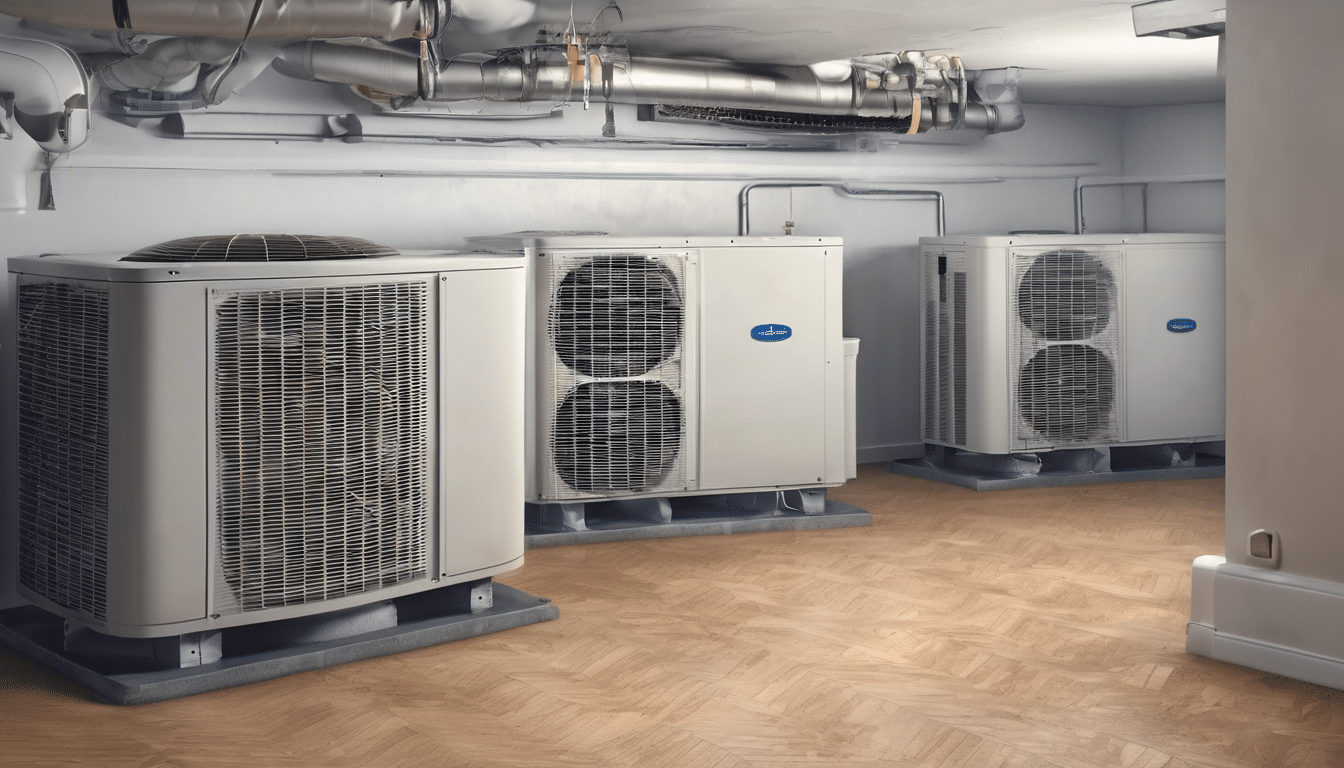
Understanding HVAC System Contamination Following Water Intrusion is essential.
In the aftermath of a water damage event, it’s crucial to address not only visible water stains but also hidden contamination within your HVAC system. This article delves into the common causes, consequences, and prevention strategies for HVAC system contamination following water intrusion.
HVAC System Contamination Following Water Intrusion – Water Intrusion and HVAC System Contamination
When water intrusion occurs, it can lead to significant contamination within the HVAC system. This not only compromises air quality but also poses long-term health risks. In this section, we explore how water damage leads to microbial growth and the specific components of an HVAC system that are most vulnerable.
Mechanisms of Contamination
The intrusion of water into an HVAC system can introduce a variety of microorganisms, including mold, bacteria, and fungi. These contaminants thrive in damp environments, making the air handling unit (AHU), ductwork, and evaporator coils particularly susceptible to infection.
HVAC System Contamination Following Water Intrusion – Mold Growth Mechanism in HVAC Systems
Mold growth within an HVAC system is a complex process driven by several factors. Understanding this mechanism helps in developing effective remediation strategies. Here’s a detailed look at how mold thrives and spreads within your HVAC system.
Moisture Retention Points
Water-damaged areas, such as condensate pans and drain lines, are key points where moisture can collect and promote mold growth. Over time, these pockets of water provide a conducive environment for spore germination and fungal proliferation.
HVAC System Contamination Following Water Intrusion – Common Sources of Contamination
The sources of contamination in HVAC systems following water intrusion can be diverse. Identifying these sources is essential for targeted remediation efforts. Here are some common pathways through which contaminants enter the system:
Condensation and Drain Lines
Water from condensate lines or improperly drained drip pans can seep into the HVAC components, creating an ideal environment for mold spores to germinate.
Risk Assessment and Mitigation Strategies
A thorough risk assessment is necessary to understand the extent of contamination and develop a comprehensive remediation plan. This section outlines key steps in assessing and mitigating risks associated with HVAC system contamination following water intrusion.
Initial Inspection
The first step involves conducting an inspection of all HVAC components, focusing on areas prone to moisture accumulation. This includes the AHU, ductwork, and evaporator coils.
Case Studies: Real-World Examples of Contamination
Examining real-world case studies provides valuable insights into the challenges faced during HVAC system contamination following water intrusion. These examples highlight common issues and successful remediation strategies.
Example 1: Condensation Pans
In a case study involving a residential property, it was discovered that improperly maintained condensation pans were leaking, leading to water accumulation in the HVAC system. This resulted in significant mold growth within the air handler unit and ductwork.
Preventing HVAC System Contamination
To prevent future contamination, implementing robust moisture control strategies is essential. Here are some practical prevention methods that can help safeguard your HVAC system post-water intrusion:
Regular Maintenance
Scheduling regular maintenance checks to inspect and clean the HVAC system can help identify potential issues before they escalate into major problems.
Expert Tips for Homeowners
As a homeowner, understanding how to protect your HVAC system is crucial. Here are some expert tips to ensure long-term health and functionality of your air conditioning and heating systems:
- Regularly clean and inspect the AHU and ductwork.
- Ensure proper drainage from condensate lines and drip pans.
- Replace or repair damaged components promptly to prevent further water intrusion.
Frequently Asked Questions (FAQs)
Here are some common questions homeowners often ask regarding HVAC system contamination following water intrusion:
- Q: How likely is mold growth in an HVAC system after a water damage event?
- A: Mold growth is highly likely if moisture remains unchecked. It thrives in damp, warm environments like those found within HVAC systems post-water intrusion.
Conclusion: Protecting Your HVAC System Post-Water Intrusion
Addressing water intrusion and preventing subsequent HVAC system contamination is essential for maintaining indoor air quality and protecting your health. By understanding the mechanisms of mold growth, identifying common sources of contamination, and implementing robust prevention strategies, you can safeguard your home from these hidden threats.
