
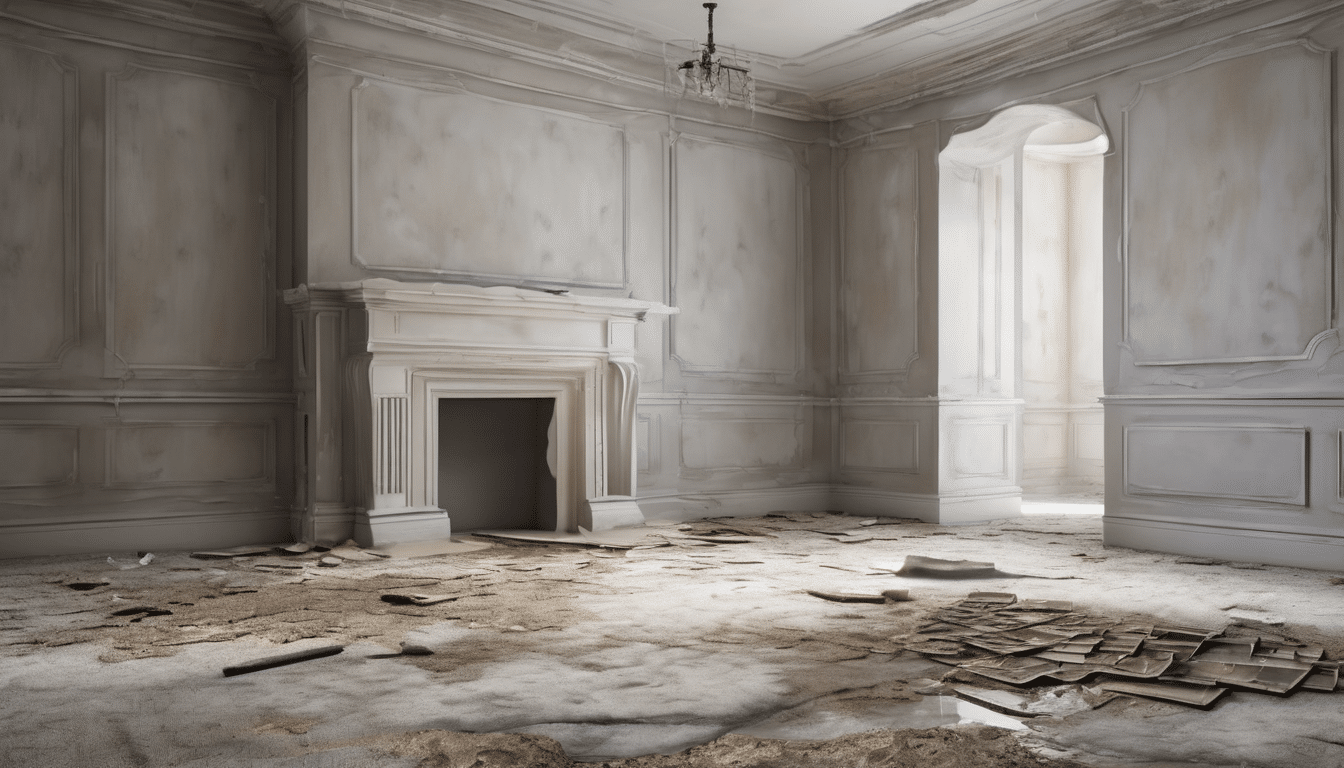
Introduction to Moisture Control Strategies in Post-Water-Damaged Properties
Moisture control strategies are vital when dealing with post-water-damaged properties. Water damage can lead to significant structural and health issues, making it imperative to implement effective moisture management techniques promptly. This guide will explore the key strategies needed to ensure a safe and healthy environment in buildings affected by water intrusion. This relates directly to Moisture Control Strategies In Post-water-damaged Properties.
Moisture Control Strategies In Post-water-damaged Properties – Post-Water-Damaged Property Effects
Water damage can cause extensive structural issues, including wood rot, mold growth, and compromised building materials. Mold, in particular, thrives in damp environments and poses significant health risks to occupants. Understanding the immediate effects of water damage is crucial for developing an effective moisture control strategy.
Structural Damage
Water can weaken structural components such as wood framing, drywall, and insulation. Over time, this can lead to significant property damage that may require extensive repairs or even demolition.
Mold Growth
Mold spores are present in the air and can quickly colonize damp areas after water damage. Mold growth not only affects indoor air quality but also poses health risks, including respiratory issues and allergic reactions.
Moisture Control Strategies In Post-water-damaged Properties – Water Damage Assessment and Containment
Proper assessment is crucial before initiating any moisture control strategies. This involves identifying the extent of water damage, locating sources of leaks or flooding, and determining appropriate containment measures to prevent further spread of moisture. When considering Moisture Control Strategies In Post-water-damaged Properties, this becomes clear.
Assessment Process
- Visual Inspection: Conduct a thorough visual inspection of affected areas to identify visible signs of water intrusion.
- Moisture Meters: Use non-invasive moisture meters to detect hidden dampness behind walls, under floors, and in other concealed locations.
- Infrared Imaging: Utilize thermal imaging cameras to locate areas with higher moisture content that may not be immediately visible.
Drying Strategies for Post-Water-Damaged Properties
Effective drying strategies are essential to prevent mold growth and structural damage. This involves removing standing water, dehumidifying the space, and ensuring proper ventilation to speed up the drying process.
Removing Standing Water
- Pump Out: Use pumps or sump systems to remove excess water from basements, crawlspaces, and other low-lying areas.
- Bleach Solution: Apply a diluted bleach solution to kill mold spores in affected areas before drying begins.
Dehumidification
- Portable Dehumidifiers: Place dehumidifiers strategically around the property to reduce humidity levels and prevent mold growth.
- Whole-House Systems: Consider installing whole-house dehumidification systems for more comprehensive moisture control.
Air Conditioning Systems and Moisture Control
Heating, ventilation, and air conditioning (HVAC) systems play a critical role in maintaining indoor air quality and controlling humidity levels. Proper maintenance of HVAC components is essential for effective moisture control.
Filter Replacement
- Cleaning Filters: Regularly clean or replace filters to prevent dust, mold spores, and other contaminants from circulating in the air.
- Mold-Resistant Filters: Use high-quality filters that are less likely to support mold growth.
Duct Cleaning
- Professional Duct Cleaning: Hire professionals to clean air ducts, which can harbor moisture and mold if not properly maintained.
- Dry Air Ducts: Ensure that air ducts are dry and free of standing water before re-activating the HVAC system.
Humidity Control Measures in Post-Water-Damaged Scenarios
Maintaining optimal humidity levels is crucial for preventing mold growth and ensuring occupant health. This involves using dehumidifiers, air conditioners, and other moisture management techniques to keep indoor humidity within safe ranges.
Optimal Humidity Levels
Target relative humidity levels between 30% to 50%. Exceeding these levels can create an environment conducive to mold growth. Use hygrometers to monitor and control humidity levels effectively. The importance of Moisture Control Strategies In Post-water-damaged Properties is evident here.
Long-Term Maintenance Plans for Post-Water-Damaged Properties
Effective moisture control requires a long-term maintenance plan that addresses both immediate concerns and ongoing prevention strategies. This involves regular inspections, cleaning, and updates to building systems to ensure lasting protection against water damage.
Routine Inspections
- Annual Inspections: Schedule annual inspections to check for signs of moisture or mold growth.
- Seasonal Checks: Conduct seasonal checks during monsoon seasons or periods of increased humidity to ensure systems are functioning correctly.
Preventive Maintenance
- Sealing Gaps: Seal gaps and cracks in walls, floors, and windows to prevent moisture intrusion.
- Proper Ventilation: Ensure proper ventilation in bathrooms, kitchens, and other high-humidity areas to reduce indoor moisture levels.
Cost Considerations and Budget Planning
The cost of implementing moisture control strategies can vary significantly based on the extent of water damage and the specific measures required. Here is a breakdown of potential costs associated with post-water-damaged property management:
| Task | Cost Range (AED) |
|---|---|
| Water Extraction and Drying | AED 5,000 – AED 20,000 |
| Mold Remediation | AED 10,000 – AED 40,000 |
| Dehumidification Equipment Rental | AED 2,000 – AED 8,000 per month |
| HVAC System Maintenance and Cleaning | AED 3,000 – AED 15,000 annually |
| Long-Term Humidity Control Measures | AED 2,000 – AED 6,000 per year |
Expert Tips for Effective Moisture Control
Here are some practical tips to help you implement effective moisture control strategies in post-water-damaged properties:
- Act Promptly: Address water damage immediately to prevent further spread of moisture and mold growth.
- Use Professional Services: Engage certified professionals for assessments, remediation, and maintenance tasks.
- Regular Monitoring: Use hygrometers and moisture meters to monitor humidity levels and detect any issues early.
- Proper Ventilation: Ensure adequate ventilation in all areas of the property, especially bathrooms and kitchens.
- Seal Gaps: Seal gaps and cracks to prevent moisture intrusion from outside sources.
FAQs on Post-Water-Damaged Property Management
Here are some frequently asked questions regarding post-water-damaged property management:
- Q: How long does it take to dry a water-damaged property?
- A: The time required for drying varies depending on the extent of damage and environmental conditions. Typically, it can take several days to weeks.
Q: Can mold grow in dry environments after water damage?
A: Mold thrives in moist environments but can continue to grow even in slightly humid conditions if the initial moisture source was significant. Regular monitoring is essential.
Q: Is it safe to live in a property with active mold growth?
A: Living in an environment with active mold growth poses health risks, including respiratory issues and allergic reactions. Professional remediation is necessary.
Conclusion – Key Takeaways on Moisture Control Strategies
Effective moisture control strategies are crucial for managing post-water-damaged properties. By understanding the effects of water damage, conducting thorough assessments, implementing proper drying techniques, and maintaining long-term humidity control measures, you can ensure a safe and healthy environment in your property. Understanding Moisture Control Strategies In Post-water-damaged Properties is key to success in this area.