
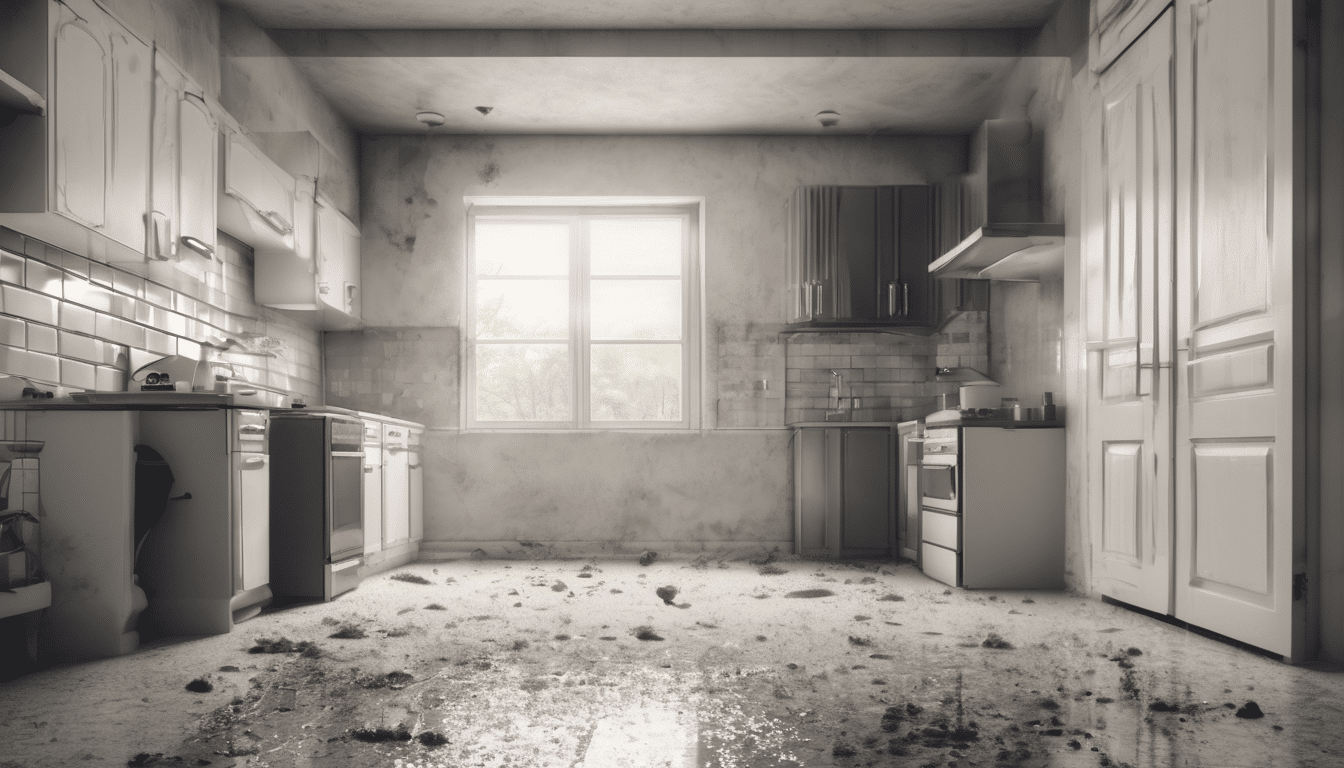
Understanding How to prevent Mold in Humid Apartments?
Humidity is a significant factor in the growth of mold, especially in apartments where air conditioning and sealed environments can trap moisture. Understanding the conditions that lead to mold formation is crucial for effective prevention. Mold thrives in warm, damp areas with ample food sources (such as cellulose materials like wood or paper), making humid apartments particularly susceptible. This relates directly to Prevent Mold In Humid Apartments.
Moisture control should be a priority in any apartment, but it’s even more critical in environments where high humidity levels are common. By understanding the mechanisms that lead to mold growth, you can implement strategies to prevent its spread and maintain a healthier living space.
Prevent Mold In Humid Apartments: Importance of Proper Ventilation
Proper ventilation is essential in preventing moisture buildup, which is the primary driver for mold growth. In humid apartments, stagnant air can create pockets of high humidity that encourage fungal spores to germinate and grow. When considering Prevent Mold In Humid Apartments, this becomes clear.
To ensure adequate ventilation:
- Use exhaust fans: Install powerful exhaust fans in kitchens, bathrooms, and laundry areas to remove moisture-laden air quickly. Ensure they are properly maintained and vented outdoors.
- Open windows: On days with favorable weather, open windows for cross-ventilation. This can help reduce humidity levels by allowing fresh air to circulate through the apartment.
- Use dehumidifiers: In areas prone to high humidity, consider using a dehumidifier to lower the moisture content in the air. Dehumidifiers are particularly useful during cooler months when windows are closed and AC systems are running continuously.
Proper ventilation helps maintain a balance of indoor-outdoor air exchange, which can significantly reduce the risk of mold growth.
Controlling Indoor Moisture
Controlling indoor moisture is paramount in preventing mold. Excess moisture can come from various sources such as plumbing leaks, condensation, and improper insulation. Effective management requires a multifaceted approach:
- Fix leaks promptly: Address any water leaks immediately to prevent them from causing damage that could lead to mold growth.
- Seal gaps: Seal gaps in walls, floors, and around windows and doors to prevent moisture ingress. This can be done using caulk or weatherstripping materials designed for these purposes.
- Use moisture barriers: Install vapor barriers in areas prone to condensation, such as crawl spaces and basements, to reduce the risk of moisture accumulation.
By controlling indoor moisture, you create an environment that is inhospitable for mold growth. Regularly inspecting your apartment for signs of water damage or excessive humidity can help catch issues early before they become problematic. The importance of Prevent Mold In Humid Apartments is evident here.
Air Conditioning and Dehumidification
While air conditioning (AC) is a common feature in many apartments, it does not necessarily solve the problem of moisture control. AC systems can reduce indoor temperatures but often do little to remove excess moisture from the air.
To effectively manage humidity:
- Use dehumidifiers: Supplement your AC with a dehumidifier, especially during humid seasons or in areas where AC is not sufficient. Dehumidifiers can be particularly useful in kitchens and bathrooms, as they remove moisture more efficiently than standard AC units.
- Adjust AC settings: Opt for lower humidity settings on your AC when possible to help manage indoor moisture levels. This might require some trial and error to find the right balance between cooling efficiency and moisture control.
- Use humidistats: Install humidistat controls that can automatically adjust your AC based on indoor humidity levels, ensuring optimal conditions year-round.
A balanced approach combining both AC and dehumidification is often the most effective strategy for maintaining low moisture levels in apartments.
Sealing Leaks and Preventing Water Damage
Leaky pipes, faulty plumbing fixtures, or roof leaks can introduce significant amounts of water into your apartment. Sealing these leaks is crucial for preventing mold growth: Understanding Prevent Mold In Humid Apartments helps with this aspect.
- Inspect regularly: Conduct regular inspections of all plumbing systems and the roof to identify any potential sources of water leakage.
- Fix promptly: Address any identified issues immediately to prevent moisture from accumulating in affected areas. Leaks can lead to significant structural damage if left unattended, making it more challenging to control mold growth later on.
- Use waterproofing materials: Apply waterproofing treatments to basement walls and floors to protect against water penetration. This can be particularly useful in apartments located in areas prone to flooding or water intrusion.
By sealing leaks and preventing water damage, you create a more stable environment that is less likely to support mold growth. Regular maintenance of plumbing systems and roof inspections are essential for long-term moisture control.
Cleaning and Maintaining Apartment Surfaces
Regular cleaning and maintenance of surfaces can help prevent mold from taking hold:
- Mop frequently: Mop floors regularly, especially in kitchens and bathrooms, to remove moisture and potential food sources for mold. Use a solution of water and bleach or a commercial cleaner designed for mold prevention.
- Dry thoroughly: Ensure surfaces are completely dry after cleaning. Moisture lingering on surfaces can provide the perfect environment for mold growth.
- Clean hard-to-reach areas: Use a borescope or other inspection tools to check behind furniture, under sinks, and in other hard-to-reach areas where moisture might accumulate. Clean these areas regularly to prevent mold spores from settling and germinating.
Maintaining cleanliness is an ongoing process that requires regular attention. By keeping surfaces clean and dry, you create a less favorable environment for mold growth.
Insulation and Building-Envelope Inspection
The building envelope plays a critical role in moisture management:
- Inspect insulation: Check insulation levels, especially around windows and door frames. Ensure that insulation is properly installed and free from gaps or tears that could allow moisture to enter.
- Seal gaps: Use caulk or weatherstripping materials to seal gaps in the building envelope where air can move freely. This helps prevent moisture from entering through these pathways.
- Inspect roof and exterior walls: Regularly inspect your apartment’s roof, siding, and other exterior surfaces for signs of damage or wear that could lead to water intrusion. Prompt repairs are essential to maintain a watertight building envelope.
A well-insulated and properly sealed building envelope is key to preventing moisture from entering your apartment in the first place. Regular inspections can help identify potential issues before they become major problems.
Professional Assessment and Monitoring
While many of these strategies can be implemented by homeowners, professional assessment and monitoring are invaluable for ensuring comprehensive mold prevention: Prevent Mold In Humid Apartments factors into this consideration.
- Hire a professional: Engage an indoor environmental consultant to conduct a thorough assessment of your apartment. They can identify hidden sources of moisture and recommend targeted solutions.
- Regular testing: Consider regular air sampling or surface sampling for mold spores. This can help monitor the effectiveness of preventive measures and detect any new issues early on.
- Document findings: Keep detailed records of all assessments, tests, and remediation efforts. This documentation can be invaluable if mold issues arise in the future and you need to prove your due diligence.
A professional assessment provides a holistic view of your apartment’s moisture management system and can help identify areas that may require special attention or improvement. Regular monitoring ensures ongoing compliance with best practices for mold prevention.
Expert Tips for Mold Prevention
Here are some actionable tips from experts to further enhance your apartment’s mold prevention efforts:
- Maintain a dehumidifier: Keep a dehumidifier running in areas prone to high humidity, such as basements or laundry rooms. Ensure it is properly maintained and emptied regularly to avoid mold growth.
- Use exhaust fans: Install and use exhaust fans in bathrooms and kitchens to remove moisture-laden air quickly. Run these fans for at least 15 minutes after showering, bathing, or cooking to reduce humidity levels.
- Clean regularly: Establish a cleaning routine that includes mopping floors, wiping down surfaces, and vacuuming carpets. Use mold-killing solutions when necessary to prevent spores from settling and germinating.
- Keep humidity levels low: Aim for indoor humidity levels between 30% and 50%. Use a hygrometer to monitor humidity levels and adjust your HVAC settings or dehumidifier as needed.
- Maintain good ventilation: Open windows during favorable weather conditions to allow fresh air circulation. This can help reduce indoor moisture levels and prevent mold growth.
By following these expert tips, you can create a more resilient environment that is less likely to support mold growth. Regular maintenance and proactive measures are key to maintaining long-term mold prevention in your apartment.
Frequently Asked Questions
- Q1: How often should I check for signs of water damage?
- You should inspect your apartment at least once a month, especially after heavy rains or during humid seasons. Look for signs of moisture buildup, mold growth, or structural damage.
This relates directly to Prevent Mold In Humid Apartments.
Q2: Can I use bleach as an alternative to a dehumidifier?
Bleach can be used as a temporary solution to clean up existing mold, but it does not address the underlying moisture issues. For long-term prevention, using a dehumidifier is recommended.
Q3: Is it necessary to seal gaps around windows and doors?
Yes, sealing gaps can help prevent moisture from entering your apartment through these pathways. Use caulk or weatherstripping materials to ensure a watertight seal.
When considering Prevent Mold In Humid Apartments, this becomes clear.
Q4: How do I know if my dehumidifier is working effectively?
Check the amount of water collected in the dehumidifier’s reservoir regularly. If it fills up too quickly or not at all, you may need to adjust your AC settings or position the dehumidifier more effectively.
Q5: Can I use a humidistat on my air conditioning unit?
Humidistats are specifically designed for this purpose. They can help maintain optimal indoor humidity levels, reducing the risk of mold growth. Ensure your AC system is compatible with a humidistat before installation.
The importance of Prevent Mold In Humid Apartments is evident here.
These FAQs address common concerns and provide practical guidance on maintaining a healthy living environment free from mold.
Conclusion: How to Prevent Mold in Humid Apartments?
In conclusion, preventing mold in humid apartments requires a multifaceted approach that includes proper ventilation, moisture control, regular cleaning and maintenance, professional assessments, and ongoing monitoring. By understanding the mechanisms of mold growth and implementing these strategies, you can create an environment that is inhospitable for mold, ensuring a healthier living space. Understanding Prevent Mold In Humid Apartments helps with this aspect.
Remember, moisture management is key to preventing mold. Regular inspections, prompt repairs, and proactive measures such as using dehumidifiers and exhaust fans can significantly reduce the risk of mold growth in your apartment. For more detailed guidance or professional assistance, consult with an indoor environmental consultant who specializes in building diagnostics. Understanding Prevent Mold In Humid Apartments is key to success in this area.