
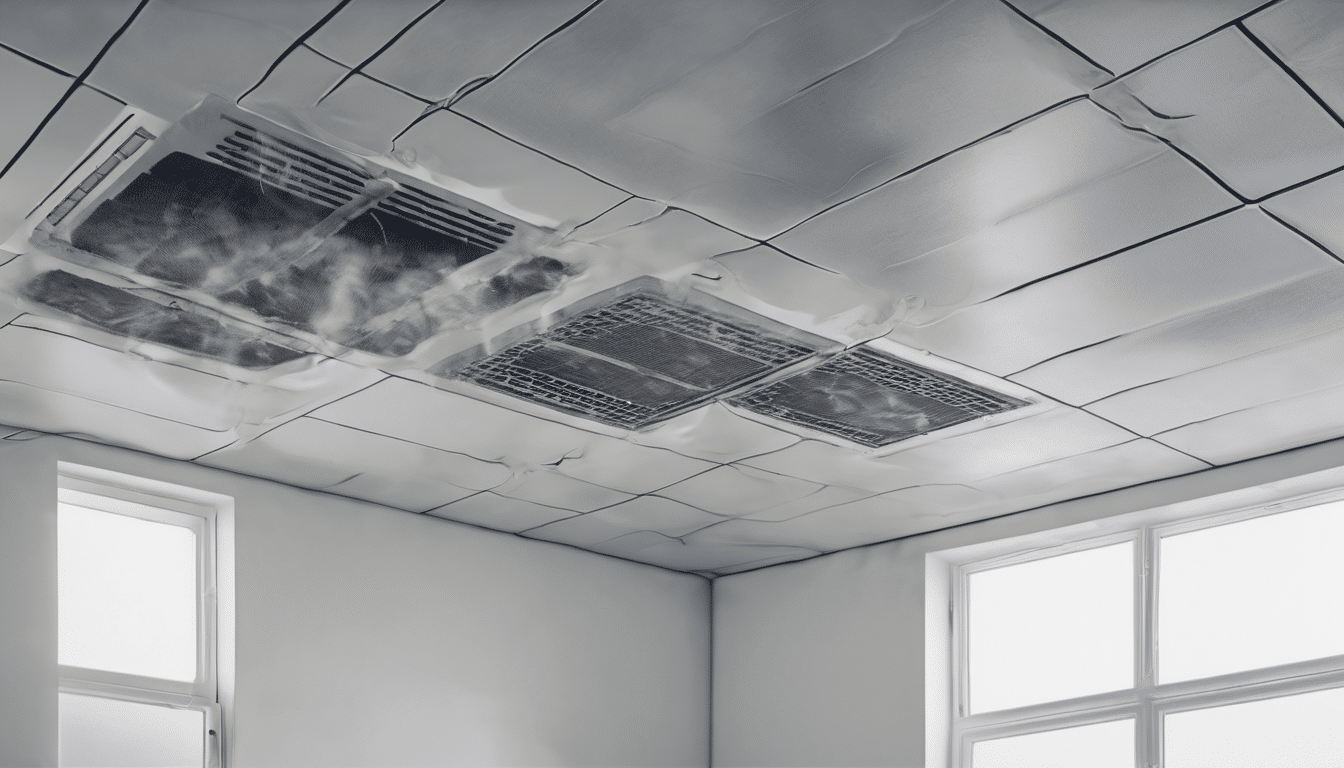
Understanding ventilation systems is essential when it comes to preventing mold, especially in humid environments like Dubai. In this guide, we’ll explore how these systems work and provide actionable tips for keeping your living space dry and healthy.
Introduction to Ventilation Systems and Mold Prevention
Ventilation systems play a critical role in maintaining indoor air quality by removing moisture, reducing humidity levels, and preventing the growth of mold. In Dubai’s humid climate, where temperatures can soar during the summer months, proper ventilation is essential for keeping living spaces healthy and comfortable. In this article, we will explore how different types of ventilation systems can be used to prevent mold and provide practical tips for effective implementation. When considering Ventilation Systems And Their Role In Preventing Mold, this becomes clear.
Understanding Ventilation Systems and Their Role in Preventing Mold
Ventilation is a key component of any building’s indoor environmental health strategy. It helps to remove moisture, which is the primary factor leading to mold growth. Ventilation systems work by introducing fresh air into the space while exhausting stale or moist air. This process helps to maintain a balanced humidity level and reduces the risk of condensation forming on surfaces, which can lead to mold colonies developing.
Ventilation Systems And Their Role In Preventing Mold – Types of Ventilation Systems for Mold Prevention
Ventilation systems come in several types, each with its own advantages and applications. Here are the most common ones:
- Exhaust Fans: These are installed in bathrooms, kitchens, and other areas prone to moisture buildup. They remove stale air from these spaces, reducing humidity levels.
- Supply Air Systems: These bring fresh air into the building from outside or recirculate air from inside the space. They can be used for general ventilation or in specific zones like living rooms and bedrooms.
- Ducted Ventilation Systems: These systems use a network of ducts to distribute fresh air throughout the entire building, ensuring consistent humidity levels across all areas.
Ventilation Systems And Their Role In Preventing Mold – Proper Installation and Functionality
The effectiveness of a ventilation system depends on proper installation and maintenance. Here are some key points:
- Sealing Ducts Properly: Any gaps or leaks in ductwork can compromise the performance of your ventilation system, allowing moisture to enter the building.
- Regular Cleaning: Filters and ducts should be cleaned regularly to ensure they are not clogged with dust and debris, which can reduce airflow.
- Proper Placement: Exhaust fans should be placed in areas where moisture is most likely to accumulate, such as bathrooms and kitchens. Supply air systems should be strategically located to distribute fresh air effectively.
Humidity Control Strategies
Maintaining optimal humidity levels is crucial for preventing mold growth. Here are some strategies:
- Use a Dehumidifier: In particularly humid areas, consider using a dehumidifier to reduce moisture content in the air.
- Monitor Humidity Levels: Install hygrometers or smart thermostats that can monitor and control humidity levels automatically.
- Avoid Overcrowding: Excessive furniture and soft furnishings can trap moisture, making it difficult for ventilation systems to work effectively. Keep spaces well-ventilated by ensuring there is enough space between walls and large items.
Common Ventilation System Mistakes
Improper use or installation of ventilation systems can lead to mold growth. Here are some common mistakes to avoid:
- Not Using Exhaust Fans: Forgetting to run exhaust fans during bathing, cooking, and cleaning can allow moisture to build up in these areas.
- Clogged Ducts: Over time, ducts can become clogged with dust and debris, reducing their effectiveness. Regular maintenance is essential.
- Inadequate Placement of Exhaust Fans: Placing exhaust fans too close to the ceiling or in areas that are not prone to moisture buildup can be less effective than placing them closer to the floor or wet areas.
Expert Tips for Effective Ventilation Systems
To ensure your ventilation system is working effectively, follow these tips:
- Regular Inspection: Have your ventilation system inspected annually by a professional to check for any issues that may need addressing.
- Use High-Quality Filters: Replace filters regularly and use high-efficiency particulate air (HEPA) filters if possible, as they can capture more particles and reduce allergens in the air.
- Integrate with Smart Home Systems: Consider integrating your ventilation system with smart home devices for automated control based on real-time conditions like humidity levels or outdoor temperature.
FAQ on Ventilation and Mold Prevention
Q: Can I rely solely on exhaust fans to prevent mold?
A: While exhaust fans are important, they should be part of a comprehensive ventilation strategy. Supply air systems or ducted ventilation can provide better overall control over humidity levels. The importance of Ventilation Systems And Their Role In Preventing Mold is evident here.
Q: Is it necessary to use both exhaust and supply air systems in my apartment?
A: Not always. However, using both can help maintain consistent indoor air quality. If you have a large space, consider ducted ventilation for more even distribution of fresh air.
Q: Can I use natural ventilation as an alternative to mechanical ventilation systems?
A: Natural ventilation is beneficial but may not be sufficient in very humid climates like Dubai’s. Mechanical ventilation provides better control over humidity levels and can help prevent mold growth more effectively. Understanding Ventilation Systems And Their Role In Preventing Mold helps with this aspect.
Conclusion: The Key Role of Ventilation in Preventing Mold
Ventilation systems are a critical component in the prevention of mold growth, especially in areas with high humidity like Dubai. By understanding the different types of ventilation systems and their proper installation and maintenance, you can create an indoor environment that is free from moisture and conducive to good health. Remember, regular inspection and adherence to best practices will help ensure your system works effectively and keeps your living space mold-free.