
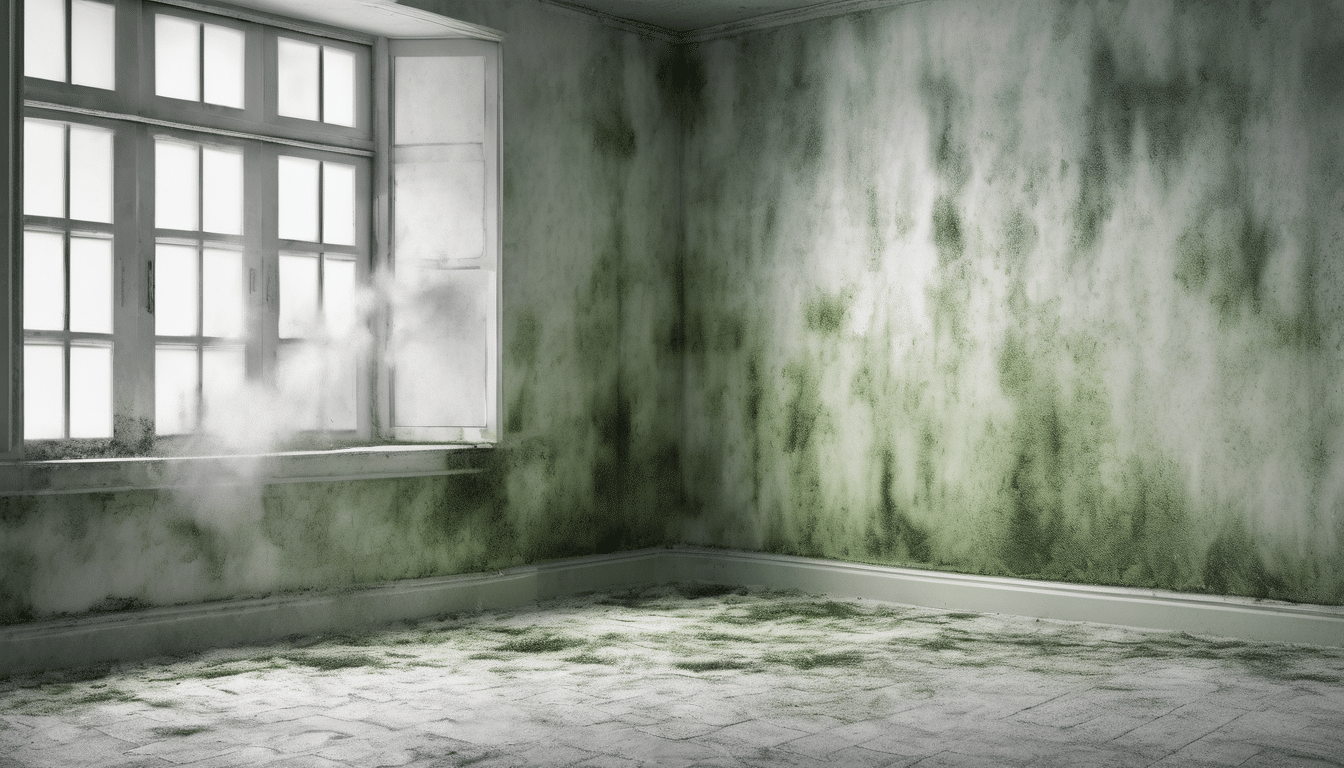
Introduction: Mold Remediation Methods Specific to Humid Environments
Mold remediation methods specific to humid environments are essential for addressing the unique challenges posed by high humidity. In areas like Dubai, where air conditioning is common but moisture management can be tricky, understanding these methods becomes crucial for maintaining a healthy indoor environment.
Understanding Mold Remediation Methods Specific to Humid Environments
Mold remediation involves not only removing existing mold but also preventing its regrowth by addressing underlying issues such as moisture management and ventilation. In humid environments, the key is to control humidity levels and ensure proper air circulation.
Mold Remediation Methods Specific To Humid Environments – Humidity Control Strategies for Effective Mold Prevention in Dubai
Controlling indoor humidity is critical in preventing mold growth. Here are some effective strategies:
- Dry Air Systems: Install systems that reduce air moisture content by dehumidifying the air.
- Ventilation Systems: Ensure proper ventilation, especially in kitchens and bathrooms, to remove excess moisture.
Ventilation Systems and Their Role in Preventing Mold Growth
Effective ventilation systems are essential for preventing mold growth by managing indoor air quality. In Dubai apartments, where air conditioning can exacerbate humidity issues, proper installation and operation of ventilation systems are crucial:
- Exhaust Fans: Use exhaust fans in high-moisture areas to remove steam and water vapor.
- Whole-House Ventilation: Employ whole-house ventilation systems for better air quality management.
Surface Sampling and Testing to Confirm Remediation Success
After remediation, it’s essential to verify that mold has been completely removed. Surface sampling involves taking samples from suspect areas using swabs or tape lifts for analysis:
- Swab Sampling: Useful for rapid testing in the field.
- Tape Lift Sampling: Provides more accurate assessment of mold spore content, requiring laboratory analysis.
Chemical Remediation Methods for Humid Environments
While chemical treatments can be effective, they must be used carefully in humid environments to avoid issues like cross-contamination or incomplete coverage:
- Biocide Solutions: Apply solutions that kill mold spores as part of a comprehensive remediation plan.
- Mold-Resistant Finishes: Use finishes that inhibit future mold growth for long-term protection.
Physical Remediation Measures in Humid Climates
Physical measures are essential for removing visible and hidden mold. In Dubai, where air conditioning can create moisture problems, physical remediation involves:
- Water-Damaged Materials Removal: Carefully remove water-damaged materials to prevent further growth.
- Mold-Infested Insulation Replacement: Replace moldy insulation with moisture-resistant options like fiberglass or foil-backed boards.
Long-Term Maintenance Strategies to Prevent Mold Regrowth
To ensure long-term success in preventing mold growth, implement maintenance strategies that address ongoing issues:
- Regular Cleaning and Inspection: Clean high-moisture areas regularly and inspect for signs of moisture accumulation.
- Proper HVAC Maintenance: Service your air conditioning system to ensure optimal performance, reducing the risk of condensation issues.
Expert Tips and Practical Advice for Effective Mold Remediation
Here are some practical tips for effective mold remediation in humid environments:
- Consult Professionals: Engage certified indoor environmental professionals who can provide a thorough investigation and remediation plan.
- Use Humidity Monitors: Install monitors to track moisture levels, ensuring they remain within safe ranges (typically below 60% relative humidity).
- Implement Air Filtration Systems: Use air filtration systems with HEPA filters to remove airborne mold spores and improve indoor air quality.
Frequently Asked Questions (FAQs)
- Q: How do I know if my property is at risk for mold growth?
A: Look for signs of moisture accumulation, such as water stains or musty odors. Regular inspections and humidity monitoring can help identify issues early.
Conclusion: Key Takeaways on Humid Environments and Mold Prevention
Mold remediation methods specific to humid environments require a comprehensive approach that includes controlling humidity, proper ventilation, thorough testing, and long-term maintenance. By understanding the unique challenges posed by high humidity in Dubai and implementing effective strategies, you can prevent mold growth and ensure a healthy indoor environment.