
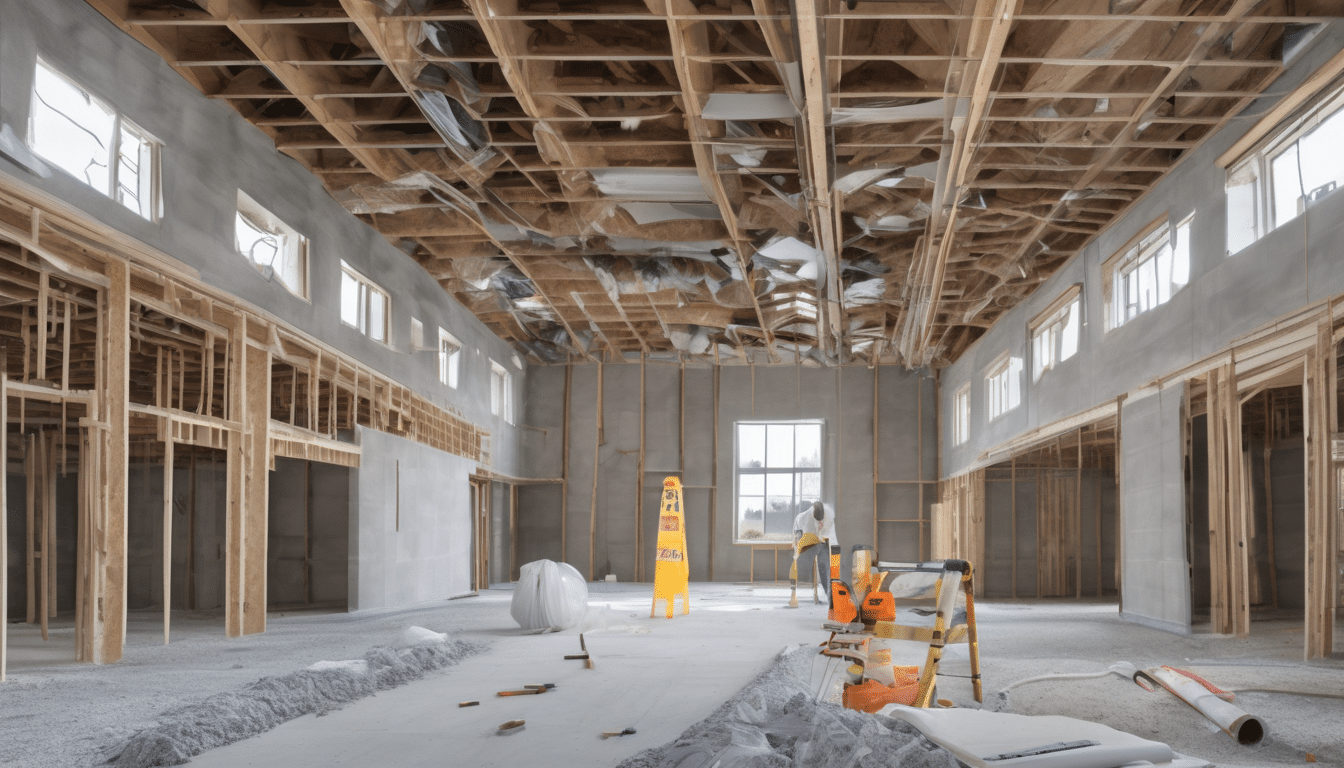
Asbestos testing is crucial to ensure the safety of new construction projects. Learn expert methods here.
Table of Contents
Understanding Asbestos Testing Methods in New Construction Projects
New construction projects often involve working with materials that may contain asbestos, a hazardous substance. Proper testing is essential to protect both workers and occupants from exposure. This guide will walk you through the key methods used for detecting asbestos during new construction.
Benefits and Importance of Asbestos Testing for New Construction
Proper asbestos testing in new construction projects offers several critical benefits. Firstly, it ensures compliance with local regulations, which often mandate asbestos testing as part of the building process. Secondly, it protects workers from exposure to harmful fibers, thereby safeguarding their health and reducing potential legal liabilities. Lastly, identifying asbestos during the construction phase allows for its safe removal or encapsulation, preventing future risks.
Asbestos Sampling Methods in New Construction Projects
Several sampling methods are commonly used to detect asbestos in new construction projects. The choice of method depends on the material being tested and the expected level of asbestos content. The importance of Asbestos Testing Methods In New Construction Projects is evident here.
Dry Sampling
Dry sampling involves collecting a sample without using any moisture. This method is suitable for non-porous materials like concrete or vinyl flooring. It requires minimal disruption to the work area but can be less effective in capturing fibers from porous materials. This relates directly to Asbestos Testing Methods In New Construction Projects.
Wet Sampling
Wet sampling involves collecting a sample by moistening the material first. This method is ideal for porous materials such as insulation or ceiling tiles, where asbestos fibers are more likely to be released. Wet sampling minimizes dust and ensures that a thorough sample can be collected.
Analytical Testing Procedures for Asbestos Fibers
Once samples have been collected, they need to undergo detailed analysis using specific techniques:
Optical Microscopy (AMO)
This method uses a polarizing microscope to identify asbestos fibers based on their unique shape and crystalline structure. It is one of the most common initial screening methods but may not provide accurate results for all types of asbestos.
Transmission Electron Microscopy (TEM)
For more precise identification, transmission electron microscopy can be used. TEM offers high-resolution images that allow for the detailed analysis of individual fibers, making it suitable for confirming the presence and type of asbestos. Understanding Asbestos Testing Methods In New Construction Projects helps with this aspect.
Sampling and Analysis Challenges in New Construction Projects
Several challenges can arise during asbestos testing in new construction projects. These include:
Workplace Safety
Safely handling asbestos samples requires proper personal protective equipment (PPE) and protocols to prevent cross-contamination or accidental release of fibers into the air.
Sample Collection Accuracy
Accurate sample collection is crucial. Improper sampling techniques can lead to false negatives or positives, affecting the validity of test results.
Expert Tips on Asbestos Testing for New Construction Projects
To ensure successful asbestos testing in new construction projects:
- Engage a certified and experienced laboratory to perform the analysis.
- Use appropriate personal protective equipment when handling samples.
- Select sampling methods based on the expected level of asbestos content.
- Document the testing process for future reference.
Frequently Asked Questions About Asbestos Testing in New Construction Projects
Here are some common questions about asbestos testing:
- How long does it take to get results? The timeframe can vary depending on the laboratory’s workload, but results are typically available within a few days.
- Can DIY kits be used for asbestos testing? While they exist, professional testing is recommended due to potential inaccuracies and safety concerns.
- What happens if asbestos is found in the samples? Further assessment will determine whether removal or encapsulation is necessary.
Conclusion on Asbestos Testing Methods for New Construction Projects
Asbestos testing is a vital step in ensuring the safety and compliance of new construction projects. By understanding the various sampling methods, analytical procedures, and expert tips provided here, you can navigate these processes with confidence. Remember that accurate results require meticulous sample collection and analysis, so always consult professional services. When considering Asbestos Testing Methods In New Construction Projects, this becomes clear.