
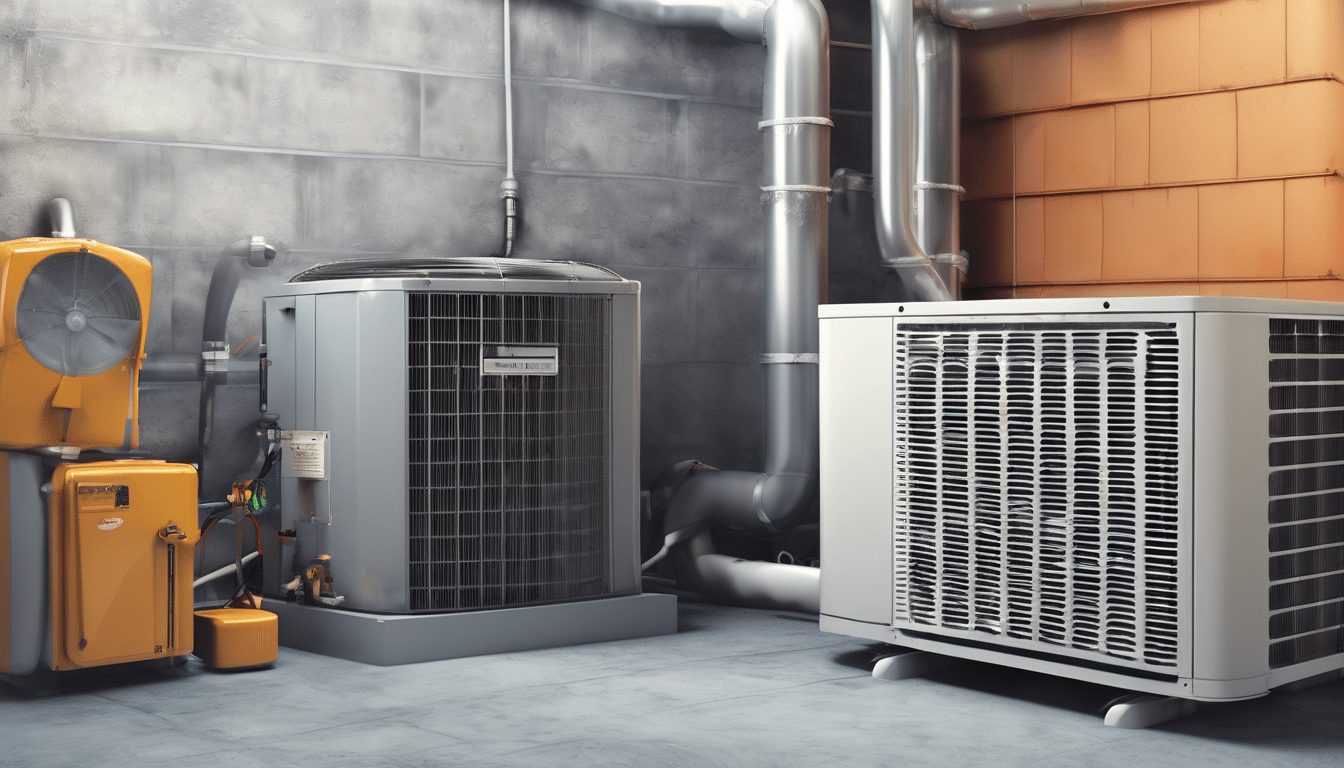
Introduction: The Importance of Advanced HVAC System Analysis
Understanding Advanced Hvac System Analysis For Mold Prevention is essential. Advanced HVAC system analysis is essential for identifying potential issues that can lead to the growth of harmful contaminants such as mold. In Dubai’s unique climate—characterized by high humidity and air-conditioned indoor environments—mold poses a significant risk to both occupant health and property integrity. This guide will explore how an in-depth analysis of your HVAC system can prevent these hidden threats.
Understanding Advanced HVAC System Analysis for Mold Prevention
An advanced HVAC system analysis involves a thorough examination of the heating, ventilation, and air conditioning systems to identify potential moisture sources and airflow issues. This process is critical in preventing mold growth, which thrives in damp environments with poor air circulation.
Hygrothermal Analysis
Hygrothermal analysis involves measuring the temperature and humidity within the building envelope. This helps identify areas where moisture may be accumulating, such as around insulation or in HVAC ductwork. By understanding these conditions, you can implement targeted strategies to prevent mold growth.
Airflow Assessment
Proper airflow is essential for maintaining indoor air quality and preventing the spread of contaminants like dust and mold spores. An advanced analysis will assess the balance between supply and return air, ensuring that there is sufficient ventilation to prevent moisture buildup.
Hidden Dust, Mold, and Asbestos Detection in Building Envelopes
Mold, dust, and asbestos can all be hidden behind walls and within HVAC systems. An advanced HVAC system analysis should include methods for detecting these contaminants:
Dust Sampling
Surface sampling techniques such as swabbing or tape-lifting can reveal the presence of harmful dust particles. These samples are then analyzed in a laboratory to determine their composition and potential health impacts.
Mold Detection
Mold spores can be detected through air sampling and surface sampling. Spore traps can capture airborne spores, while swab tests identify mold growth on surfaces like walls or insulation. Laboratory analysis will determine the species of mold present and assess any health risks.
Asbestos Testing
Asbestos testing involves collecting samples from suspected areas and analyzing them for asbestos fibers. This is particularly important in older buildings where asbestos was commonly used as insulation material. Proper identification and removal are crucial to prevent exposure risks.
Mold Prevention Strategies Through Advanced HVAC System Analysis
Once hidden contaminants have been identified, a comprehensive mold prevention strategy can be developed. This includes:
Moisture Control
Implementing effective moisture control measures such as proper insulation and sealing of gaps around windows and doors is crucial to preventing condensation and subsequent mold growth. This relates directly to Advanced Hvac System Analysis For Mold Prevention.
Ventilation Correction
Correcting ventilation issues within the HVAC system can improve indoor air quality and reduce humidity levels. This may involve adjusting fan speeds, ductwork design, or adding additional vents where necessary.
Drying and Dehumidification
In cases of existing moisture issues, advanced analysis will guide the implementation of drying and dehumidification strategies to prevent mold regrowth. This may involve using specialized equipment or adjusting HVAC settings to maintain optimal humidity levels.
Expert Tips for Effective HVAC System Analysis
To ensure the most effective analysis, consider these expert tips:
- Engage a professional with experience in building diagnostics. Look for experts who can provide a holistic view of your HVAC system and identify hidden issues that may not be apparent to the naked eye.
- Request detailed documentation. A thorough analysis should include comprehensive reports, diagrams, and recommendations based on scientific testing and evidence.
- Consider regular maintenance schedules. Regular inspections can help identify minor issues before they become major problems. This proactive approach is key to maintaining a healthy indoor environment.
Frequently Asked Questions (FAQ)
Here are some common questions and answers regarding advanced HVAC system analysis for mold prevention:
- Q: How often should I have my HVAC system analyzed?
- A: It is recommended to conduct a thorough analysis every 3-5 years, or after any major renovation or water damage incident. Regular maintenance can help identify issues early and prevent them from becoming more serious.
- Q: Can an advanced HVAC system analysis detect asbestos?
- A: Yes, an experienced professional can perform asbestos testing as part of a comprehensive HVAC analysis. It is crucial to follow safety protocols when handling asbestos samples to protect both occupants and technicians.
- Q: How does hygrothermal analysis contribute to mold prevention?
- A: Hygrothermal analysis helps identify areas where moisture may be accumulating, which is essential for preventing mold growth. By understanding the temperature and humidity conditions, effective strategies can be developed to control moisture levels.
Conclusion: Key Takeaways on Advanced HVAC System Analysis for Mold Prevention
In conclusion, an advanced HVAC system analysis is a crucial step in preventing mold and other hidden contaminants from compromising your indoor environment. By understanding the underlying issues through hygrothermal analysis, airflow assessment, and surface sampling techniques, you can implement targeted strategies to create a healthier living space.
Remember that regular maintenance and professional inspections are essential for maintaining a healthy indoor environment. Engage experts who can provide detailed reports and recommendations based on scientific testing to ensure your HVAC system is functioning optimally and protecting against hidden mold growth. Understanding Advanced Hvac System Analysis For Mold Prevention is key to success in this area.