
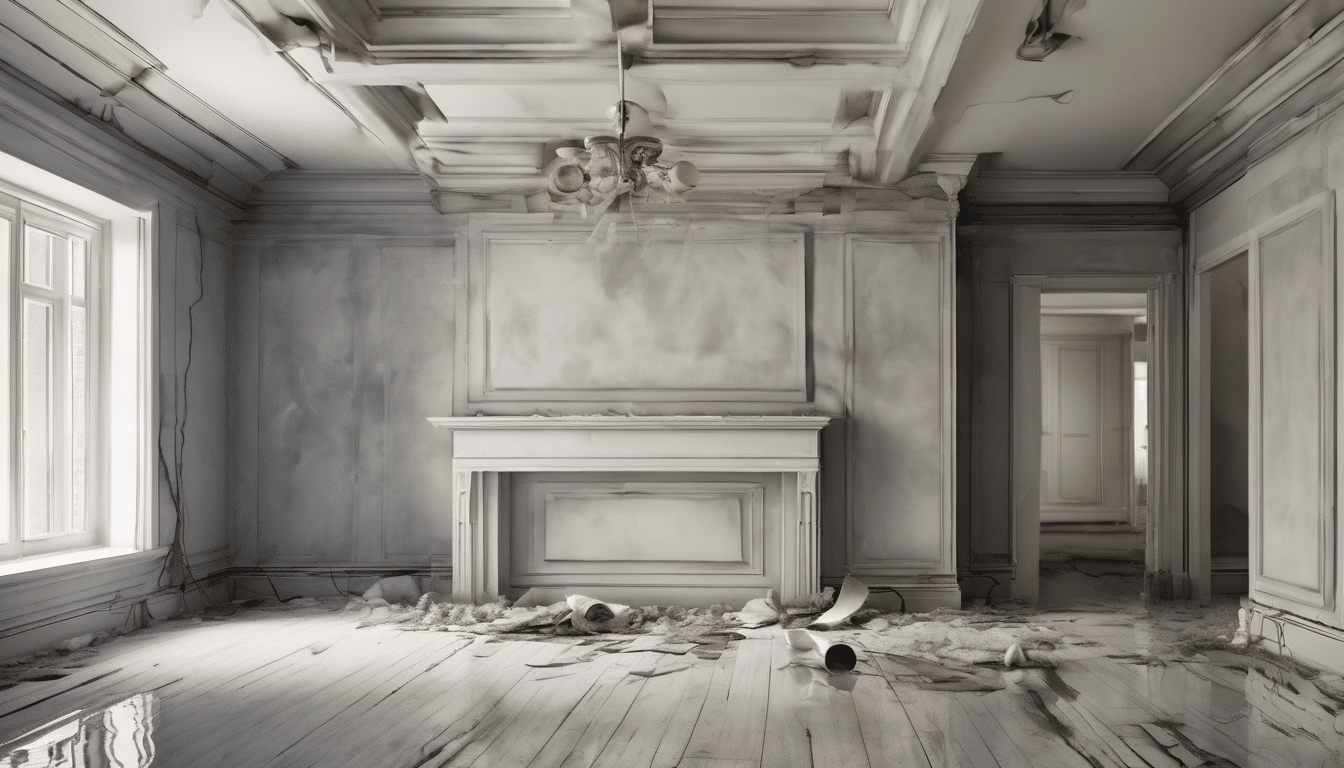
Understanding Handle Water Damage And Mold Remediation Issues With Contractors And Insurance Companies is essential.
Understanding How to handle Water Damage and Mold Remediation Issues with Contractors and Insurance Companies?
Water damage can be a daunting issue for homeowners, especially when it leads to mold growth. Navigating the process of remediation can feel overwhelming, particularly when dealing with contractors and insurance companies. This guide aims to equip you with the knowledge needed to handle these situations effectively. This relates directly to Handle Water Damage And Mold Remediation Issues With Contractors And Insurance Companies.
Identifying the Problems: What You Need to Know
Before engaging with contractors or insurance providers, it’s crucial to identify the extent of water damage and potential mold issues. Here are some steps you can take: When considering Handle Water Damage And Mold Remediation Issues With Contractors And Insurance Companies, this becomes clear.
- Evaluate Visible Damage: Check for damp spots, leaks, and signs of moisture in walls, ceilings, and floors.
- Detect Hidden Issues: Use thermal imaging to identify hidden moisture behind walls or under floors. Hire a professional with experience in these techniques.
- Test for Mold: Collect samples from affected areas using swabbing or tape-lift methods and send them to an accredited laboratory for analysis.
Communicating with Insurance Companies: Tips for Success
Insurance companies play a critical role in the remediation process. Here’s how you can communicate effectively:
- Review Your Policy: Understand your coverage, limits, and deductibles related to water damage.
- Document Everything: Take detailed photos of the affected areas and maintain a journal of events, repairs made, and communications with insurers.
- Prompt Reporting: Report the incident promptly to your insurer. Provide them with all necessary documentation and evidence of damage.
- Be Proactive: Engage proactively in the claims process by following up regularly and requesting updates on progress.
Selecting a Reputable Contractor: Key Considerations
The right contractor is essential for effective remediation. Here’s how to choose one:
- Check Credentials: Ensure the contractor is certified by relevant organizations such as IAC2, InterNACHI, or AARST.
- Verify Experience: Look for contractors with a track record of successful water damage and mold remediation projects in your area.
- Evaluate Quotes: Request detailed quotes that include the scope of work, materials used, and projected timelines. Compare these with other proposals to ensure you’re getting fair pricing.
- Ask for References: Contact previous clients to verify the contractor’s professionalism and quality of work.
Negotiating the Remediation Plan: A Step-by-Step Guide
A well-thought-out remediation plan is crucial for successful water damage and mold remediation. Here’s how to negotiate one:
- Review Scope of Work: Ensure the contractor’s proposal covers all necessary steps, including drying, decontamination, and testing.
- Discuss Containment Protocols: Insist on proper containment procedures to protect unaffected areas from cross-contamination.
- Negotiate Cost: Be prepared to negotiate costs based on the contractor’s quote. Ensure there are no hidden fees or charges.
- Confirm Completion Dates: Set realistic timelines for completion and ensure the contractor commits to these dates.
Working with the Contractor: Ensuring Quality and Timeliness
Effective communication is key during remediation. Here’s how to work closely with your contractor:
- Set Clear Expectations: Provide detailed instructions on what needs to be done and when.
- Monitor Progress: Regularly check in with the contractor to ensure they are adhering to the proposed plan. Document all interactions and observations.
- Prompt Payment: Make timely payments as agreed, but reserve a portion for completion and satisfaction.
Post-Remediation Verifications: Ensuring Long-Term Success
Once the contractor has completed their work, it’s important to verify its effectiveness:
- Hire a Third-Party Inspector: Engage an independent expert for post-remediation verification. This ensures unbiased assessment and confirmation of remediation success.
- Test Air Quality: Use air sampling equipment to test for mold spores in the air, ensuring they are below safe levels.
- Verify Contamination Levels: Conduct surface testing using swabs or tape lifts and send them to a lab for analysis. Ensure all detected species have been adequately addressed.
Handling Insurance Disputes: When Things Go Wrong
If disputes arise, you need to handle them carefully:
- Review Policies Thoroughly: Understand your policy’s coverage and exclusions. Seek legal advice if necessary.
- Document All Disputes: Keep a detailed record of all communications, including emails, letters, and meetings. This documentation can be crucial in resolving disputes.
- Seek Mediation: If an agreement cannot be reached, consider seeking mediation services to resolve the dispute amicably.
Protecting Your Home and Occupants: Additional Measures
While dealing with contractors and insurance companies, take these additional steps:
- Maintain Ventilation: Keep your home well-ventilated to prevent further moisture buildup.
- Control Humidity Levels: Use dehumidifiers or air conditioning units to maintain optimal humidity levels (40-50% is ideal).
- Regular Inspections: Schedule regular inspections by professionals to catch any early signs of moisture or mold growth.
Key Takeaways for Handling Water Damage and Mold Remediation Issues
To effectively handle water damage and mold remediation issues, follow these key takeaways:
- Act Promptly: Address any signs of water damage immediately to prevent further spread.
- Seek Professional Help: Engage experienced professionals for assessments, testing, and remediation work.
- Communicate Clearly: Maintain open lines of communication with both contractors and insurance providers throughout the process.