
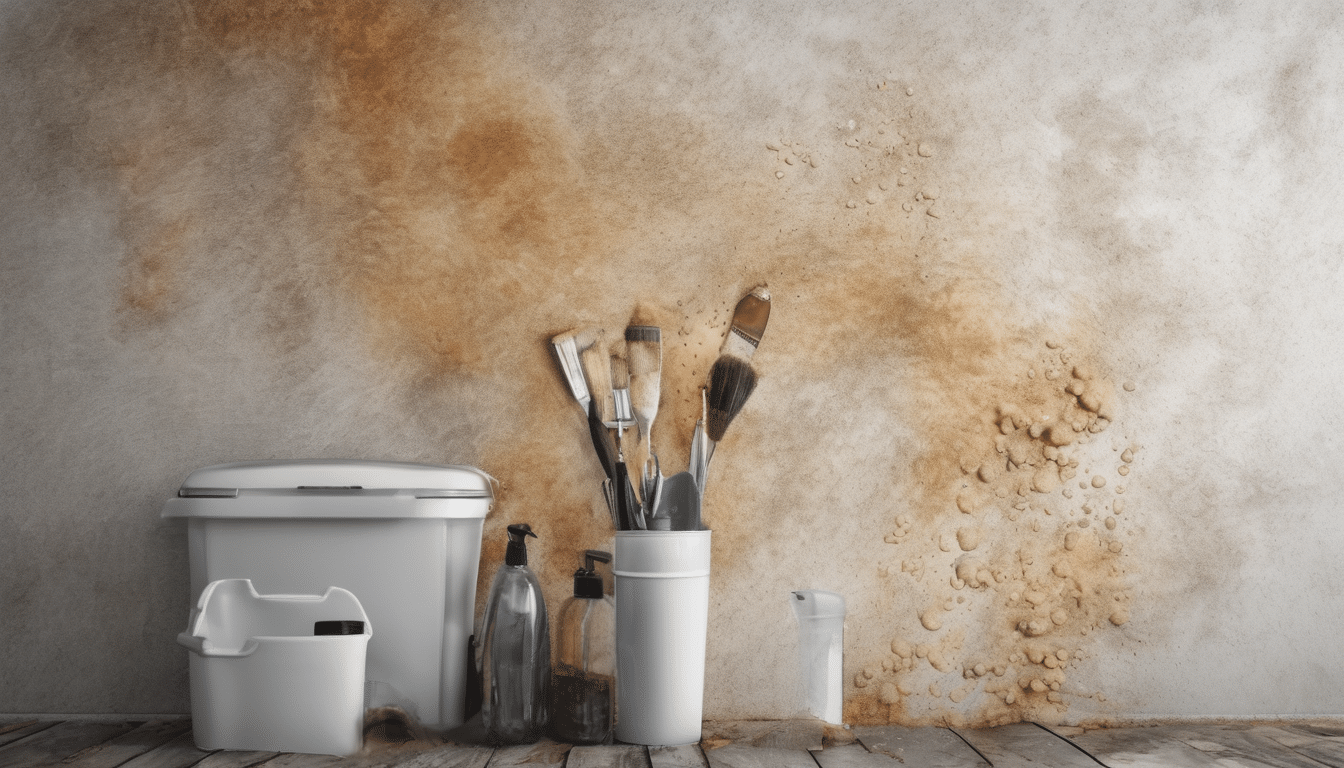
Understanding Professionals Use To Remove Mold is essential.
Table of Contents
Introduction to Mold Removal Methods
Mold can be a serious health and environmental issue, particularly in the humid climate of Dubai. Professionals use a variety of methods to remove mold effectively, each with its own advantages and limitations. This guide will explore these methods, from traditional physical removal techniques to modern chemical treatments and green solutions. This relates directly to Professionals Use To Remove Mold.
Mold Testing and Diagnosis
Before any removal process begins, it is crucial to accurately diagnose the mold problem. Professionals use a range of diagnostic tools and methods, such as air sampling, surface sampling (swab or tape lift), and laboratory analysis, to identify the species of mold present and assess its extent. This step ensures that the appropriate treatment plan can be developed.
Physical Mold Removal Methods
Physical removal involves manually cleaning and removing visible mold colonies. Techniques include:
- Scrubbing with a solution of water and detergent: This method can be effective for small areas but may not remove all spores.
- Scraping or scraping with a wire brush: Useful for hard surfaces like concrete or wood, but can damage materials if not done carefully.
- Sanding and grinding: Often used for larger surface areas, especially in buildings with asbestos concerns where power tools are needed.
The goal is to remove all visible mold without causing excessive dust that could disperse spores. Proper containment and negative pressure techniques are essential during this process. When considering Professionals Use To Remove Mold, this becomes clear.
Chemical Mold Control Products
Chemical treatments involve the use of biocides, fungicides, or other antimicrobial agents to kill mold. These products come in various forms, including sprays, foams, and paints. Common chemicals include:
- Quaternary ammonium compounds (QACs): Effective against a wide range of microorganisms but can be toxic.
- Hydrogen peroxide: A natural oxidizing agent that is less harmful to users and the environment.
- Biocides like sodium hypochlorite (bleach): Can be effective against mold but must be used carefully due to potential damage to some materials.
These products are typically applied after physical removal or in conjunction with it, depending on the severity and type of contamination. Regular testing is necessary to ensure complete elimination and prevent regrowth.
Natural and Green Solutions for Mold Removal
Natural methods emphasize using non-toxic substances that can help control mold growth without harmful chemicals. Some common natural solutions include: The importance of Professionals Use To Remove Mold is evident here.
- Vinegar solution: Effective against many types of fungi, including molds, due to its acidity and antifungal properties.
- Baking soda: Helps absorb moisture and can be used as a cleaning agent in conjunction with other methods.
- Honey: Has natural antimicrobial properties that can help inhibit mold growth when applied directly to affected areas.
Natural solutions are particularly useful for small-scale or low-risk applications, but their effectiveness may be limited compared to chemical treatments. They should not replace comprehensive remediation strategies in larger or more severe cases.
Air Filtration Systems in Mold Removal
Air filtration systems play a crucial role in controlling the spread of mold spores during removal processes. High-efficiency particulate air (HEPA) filters are commonly used to capture particles as small as 0.3 microns, ensuring minimal contamination. These systems can be installed temporarily or permanently, depending on the situation and long-term needs.
Additional measures include:
- Ultraviolet light (UV-C) devices: Can be used to sterilize air and surfaces during removal processes, enhancing overall effectiveness.
- Negative pressure systems: Create a barrier between the contaminated area and clean air, reducing the risk of cross-contamination.
Proper installation and maintenance are essential for these systems to function effectively. Regular testing and monitoring ensure that they remain effective throughout the removal process.
Containment and Negative Pressure Techniques
To prevent the spread of mold spores during removal, professionals use containment techniques such as:
- Physical barriers: Such as plastic sheeting or tarps placed over affected areas to limit spore release.
- Negative pressure systems: Create a controlled environment where air flows from the clean area into the contaminated one, preventing the spread of contaminants. This is particularly useful in occupied buildings and high-risk environments.
Containment methods are critical for maintaining a safe working environment and ensuring that mold spores do not enter uninfected areas or the outside atmosphere. Understanding Professionals Use To Remove Mold helps with this aspect.
Post-Removal Maintenance Practices
After successful removal, it is essential to implement maintenance practices to prevent future regrowth. These include:
- Regular cleaning and disinfection: Using appropriate methods such as water and detergent solutions or natural remedies.
- Proper moisture management: Addressing the root causes of moisture buildup, whether through improved ventilation, dehumidification, or addressing plumbing issues.
- Inspection and monitoring: Regular checks to detect any signs of regrowth early. This can include visual inspections and air sampling.
Maintenance should be ongoing and tailored to the specific conditions of each building to ensure long-term success in mold prevention.
Tools and Equipment for Mold Removal
The right tools and equipment are crucial for effective mold removal. Key items include:
- Personal protective equipment (PPE): Such as respirators, gloves, and coveralls to protect workers from exposure.
- Air movers and dehumidifiers: Essential for drying out wet areas and reducing moisture levels that can support mold growth.
- Sampling equipment: For air sampling, surface sampling, and other diagnostic tests.
Additionally, specialized tools like borescopes may be used to inspect hidden or inaccessible areas where mold might grow. These tools help ensure a thorough and accurate removal process.
Professional vs. Do-It-Yourself Mold Removal
While some minor mold issues can be managed by homeowners, more severe cases require professional intervention due to the complexity and potential risks involved. Professional services offer several advantages:
- Experience and expertise: Professionals have the knowledge and skills to handle complex situations safely.
- Comprehensive diagnosis and remediation plan: A thorough assessment ensures that all sources of contamination are addressed, reducing the risk of regrowth.
- Regulatory compliance: Ensures adherence to local regulations and standards for mold removal and disposal.
However, DIY approaches can be useful for minor issues or as a first step in understanding the problem. Homeowners should consult professionals if unsure about the extent of contamination or their ability to handle it safely. Professionals Use To Remove Mold factors into this consideration.
Expert Tips for Effective Mold Removal
To ensure successful mold removal, follow these expert tips:
- Use a comprehensive approach: Address moisture sources and implement long-term maintenance strategies in addition to physical or chemical treatments.
- Regularly test for air quality: Monitor indoor air quality using tools like spore traps to ensure that the environment is safe after removal.
- Consider professional services: Engage certified professionals who can provide a thorough diagnosis and remediation plan, ensuring complete resolution of the issue.
By adhering to these tips, you can achieve long-lasting results in your mold remediation efforts.
Frequently Asked Questions (FAQs)
-
- Q: Can I do a DIY mold removal project?
- A: Yes, for minor issues. However, professional services are recommended for more severe cases or when dealing with hidden contamination.
- Q: How long does it take to remove mold?
- A: The time required varies based on the extent of contamination and the methods used. Typically, a thorough remediation process takes several days to weeks.
This relates directly to Professionals Use To Remove Mold.
- Q: Is professional mold removal expensive?
- A: Costs vary depending on the severity of the issue and the scope of work required. Professional services can be costly but are necessary for comprehensive and safe remediation.
Conclusion
Mold removal requires a multifaceted approach, involving accurate diagnosis, effective physical or chemical treatments, and ongoing maintenance practices. Professionals in Dubai use advanced tools, techniques, and methods to address mold issues comprehensively, ensuring long-lasting results and protecting occupant health.