
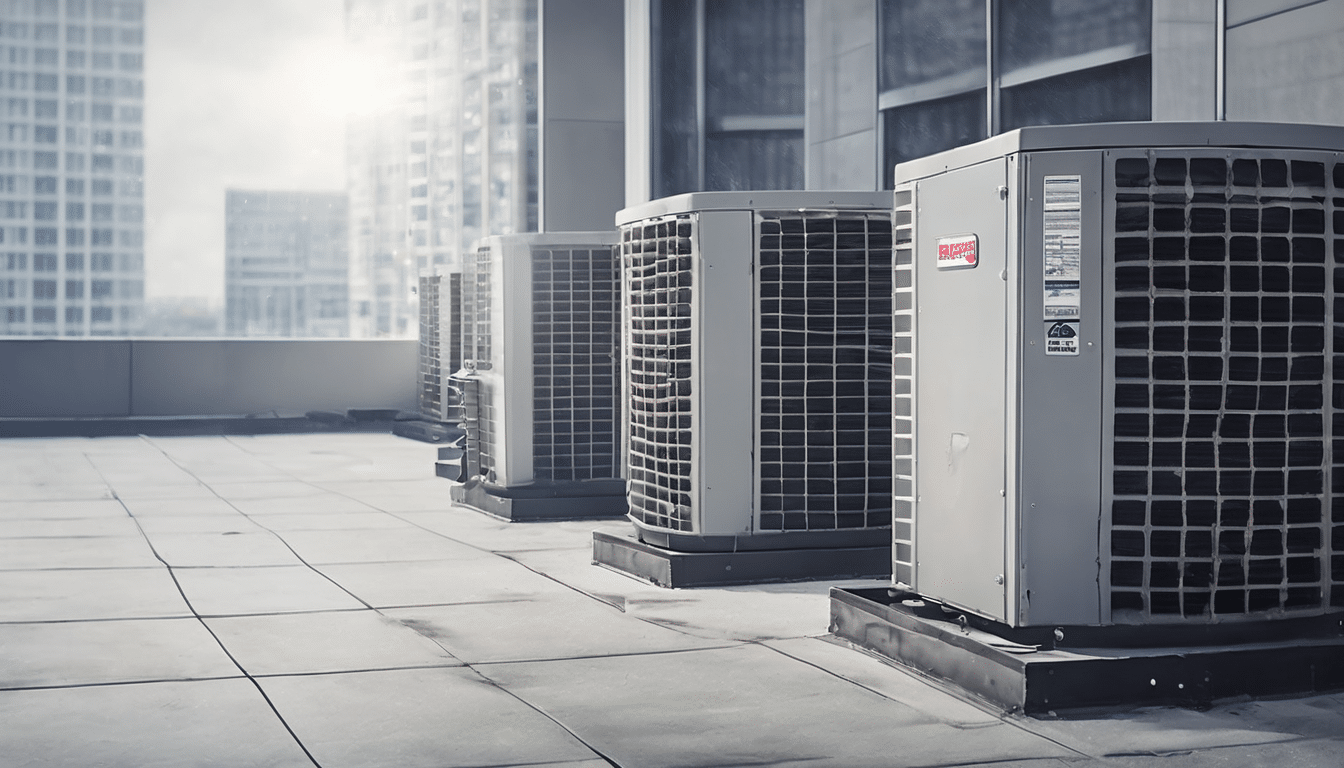
Understanding HVAC System Maintenance For Mold Prevention In High-rise is essential.
High-rise buildings are prone to moisture issues, leading to hidden mold growth behind walls, under floors, and within HVAC systems. This can severely impact the indoor air quality (IAQ) and health of occupants. By implementing a robust HVAC maintenance program focused on mold prevention, you can significantly reduce these risks.
Understanding HVAC System Maintenance for Mold Prevention in High-Rise Buildings
HVAC systems play a critical role in maintaining indoor air quality, temperature control, and overall comfort. However, they are also major sources of mold growth if not properly maintained. Regular maintenance ensures that the system operates efficiently and does not become a breeding ground for microorganisms.
Why Mold Forms in High-Rise HVAC Systems
– Moisture Buildup: High humidity levels and condensation can lead to excess moisture.
– Poor Ventilation: Inadequate air flow allows stagnant conditions, promoting mold growth.
– Insufficient Cleaning: Accumulated dust and debris provide nutrients for mold spores.
Common Mold Causes in High-Rise Buildings
Several factors contribute to the prevalence of hidden mold in high-rise buildings. These include:
1. Poor Insulation and Thermal Bridging: These can lead to condensation and moisture accumulation.
2. High Humidity Levels: Especially during summer months when air conditioning units are frequently used.
3. Insufficient Ventilation: Lack of proper airflow can create stagnant microclimates where mold thrives.
Signs of Hidden Mold Growth Behind Walls and Floors
Detecting hidden mold is challenging due to its covert nature. However, there are several signs that may indicate the presence of mold: This relates directly to Hvac System Maintenance For Mold Prevention In High-rise.
1. Musty Odors: A persistent smell of dampness or mustiness can be an early warning sign.
2. Visible Discoloration: Dark spots or discolorations on surfaces, especially behind walls and ceilings.
3. Water Damage Indicators: Leaks, stains, or water marks that may indicate moisture issues.
4. Allergic Reactions: Increased allergy symptoms such as sneezing, coughing, and skin irritation among occupants.
Preventing Mold with Regular Maintenance Checks
Regular HVAC maintenance is crucial to prevent mold growth in high-rise buildings. Here are the key steps:
1. Dust Filter Cleaning: Replace or clean air filters regularly to remove dust and debris.
2. System Inspection: Inspect all components of the HVAC system for signs of wear, damage, or moisture accumulation.
3. Moisture Mapping: Use thermal imaging techniques to identify areas prone to condensation.
4. Drying and Dehumidification: Ensure proper ventilation and use dehumidifiers in high-moisture areas.
Specific HVAC Components to Inspect for Mold
Several key components of an HVAC system are particularly susceptible to mold growth:
1. Air Handlers: These units can collect moisture, leading to condensation and mold.
2. Ductwork: Damp or poorly insulated ducts can become breeding grounds for mold spores.
3. Coil Surfaces: Evaporator coils can retain water, promoting mold growth if not cleaned regularly.
4. Plenum Chambers: These areas are often hidden and prone to moisture accumulation.
Environmental Control Strategies for High-Rise Buildings
Effective environmental control strategies should be implemented to prevent mold growth:
1. Humidity Monitoring: Install hygrometers to monitor indoor humidity levels.
2. Airflow Optimization: Ensure balanced airflow through the HVAC system to avoid stagnant areas.
3. Leak Detection Systems: Regularly check for water leaks and install early warning systems.
4. Moisture Barriers: Use moisture barriers in construction to prevent water infiltration.
Expert Tips for Mold Prevention in High-Rises
1. Regular Inspections: Conduct quarterly inspections of the HVAC system and building envelope.
2. Professional Cleaning: Hire certified professionals to clean and inspect hard-to-reach areas.
3. Thermal Imaging: Use thermal imaging cameras for hidden mold detection.
4. Ventilation Improvements: Enhance ventilation systems to ensure proper air circulation.
Frequently Asked Questions (FAQs)
1. Q: How often should I inspect my HVAC system?
– A: Inspect your HVAC system at least quarterly and more frequently if you notice any signs of moisture or mold growth.
2. Q: What are the signs that indicate a need for professional cleaning?
– A: Look for visible mold, musty odors, or frequent water leaks as indicators that professional cleaning is needed.
3. Q: Can I do thermal imaging myself to detect hidden mold?
– A: While you can use thermal imaging devices, it’s recommended to hire a professional with experience in building diagnostics.
Conclusion
Proper HVAC maintenance is essential for preventing mold growth in high-rise buildings. By understanding the common causes of mold and implementing regular inspection and cleaning protocols, property managers and homeowners can significantly reduce the risk of hidden mold and improve indoor air quality. Regular checks and professional interventions are key to maintaining a healthy and safe environment.