
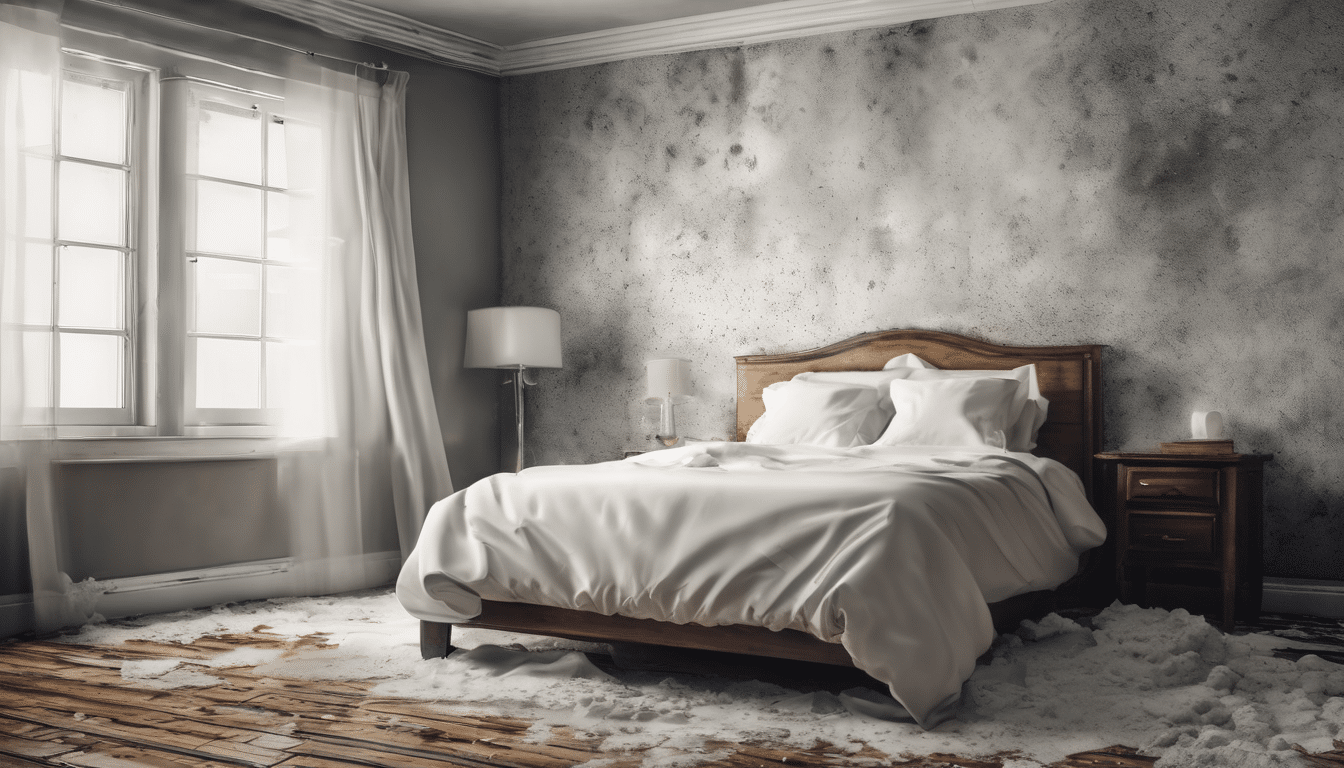
Understanding How to prepare Home for Mold Remediation?
Mold remediation involves more than just the visible cleaning of mold. Proper preparation is essential to ensure a thorough and effective process. This guide will walk you through the necessary steps to prepare your home before professional intervention. This relates directly to Prepare Home For Mold Remediation.
Why Proper Preparation is Important
Proper preparation ensures that the remediation process is efficient, safe, and successful. It helps prevent the spread of mold spores, protects occupants from exposure, and minimizes damage to your property.
Prepare Home For Mold Remediation: Identifying Mold in Your Home
Before preparing for mold remediation, it is crucial to identify areas where mold may be present. Common signs of mold include:
- Musty odors.
- Visible discoloration or black spots on walls, ceilings, and floors.
- Water stains or dampness in corners, around windows, or near plumbing fixtures.
Using Thermal Imaging for Hidden Mold
Thermal imaging can help identify hidden mold growth behind walls and ceilings. This non-invasive technique uses infrared cameras to detect temperature differences, which may indicate moisture buildup or active mold colonies.
Prepare Home For Mold Remediation: Securing the Property Before Mold Remediation
Before professional remediation begins, it is essential to secure your property and ensure safety for all occupants. This includes:
- Evacuating all residents.
- Removing pets from the premises.
- Sealing off affected areas with plastic sheeting to contain mold spores.
Setting Up Positive Pressure Systems
To prevent the spread of mold spores, set up positive pressure systems. This involves:
- Sealing off unaffected areas with plastic sheeting and duct tape.
- Ensuring all doors and windows are closed tight.
- Using fans to create a positive pressure environment, forcing air outwards rather than inwards.
Removing Personal Items and Garments
To minimize the risk of mold exposure:
- Remove all personal items from affected areas, including clothing, books, and electronics.
- Place these items in sealed plastic bags or containers.
- Wash clothing and textiles separately to avoid cross-contamination.
Protecting the Environment During Mold Remediation
To protect your environment during mold remediation:
- Ensure proper ventilation by opening windows and using fans.
- Use air purifiers with HEPA filters to reduce airborne spores.
- Avoid vacuuming, which can spread mold spores.
Hiring Professional Mold Remediation Services
When choosing a professional mold remediation service:
- Verify their credentials and certifications (e.g., IAC2, ASHI).
- Request references from previous clients.
- Ensure they have experience in your local climate conditions and building types.
Ensuring Post-Remediation Success
To ensure post-remediation success:
- Follow the remediation team’s recommendations for drying and dehumidifying.
- Implement long-term moisture management strategies (e.g., improving drainage, repairing leaks).
- Regularly inspect your home for signs of mold regrowth.
Case Studies and Examples of Effective Preparation
Review case studies to understand real-world applications of effective preparation. For example, in a residential property with hidden mold growth behind the walls, a comprehensive preparation process including thermal imaging, positive pressure systems, and containment led to successful remediation.
Expert Tips for Preparing Your Home
Here are some expert tips to ensure your home is properly prepared:
- Conduct a thorough moisture mapping of your property using thermal imaging and other tools.
- Identify potential sources of moisture (e.g., plumbing leaks, roof seepage) and address them before remediation.
- Ensure all affected areas are well-ventilated to reduce humidity levels.
Frequently Asked Questions About Mold Remediation
- Q: How long should I wait before moving back into my home after mold remediation?
-
A: Typically, you can move back in once the remediation team confirms that all areas are safe and dry. This may take several days to a week.
- Q: Can I DIY mold remediation if my home is not severely affected?
-
A: For minor issues, you can attempt DIY remediation under proper guidance. However, for severe cases or complex environments, professional services are recommended to ensure thoroughness and safety.
- Q: What are the key steps in the mold remediation process?
-
A: The key steps include identifying and containing the affected areas, removing all visible mold, cleaning or replacing contaminated materials, and implementing long-term moisture management strategies. When considering Prepare Home For Mold Remediation, this becomes clear.
Conclusion and Final Thoughts
Proper preparation is essential for a successful mold remediation process. By understanding the steps outlined in this guide, you can ensure that your home is ready for professional intervention and minimize risks to both yourself and your property. Understanding Prepare Home For Mold Remediation is key to success in this area.