
—
—
—
Introduction: The Importance of Mold Removal Strategies for Water-Damaged Insulation
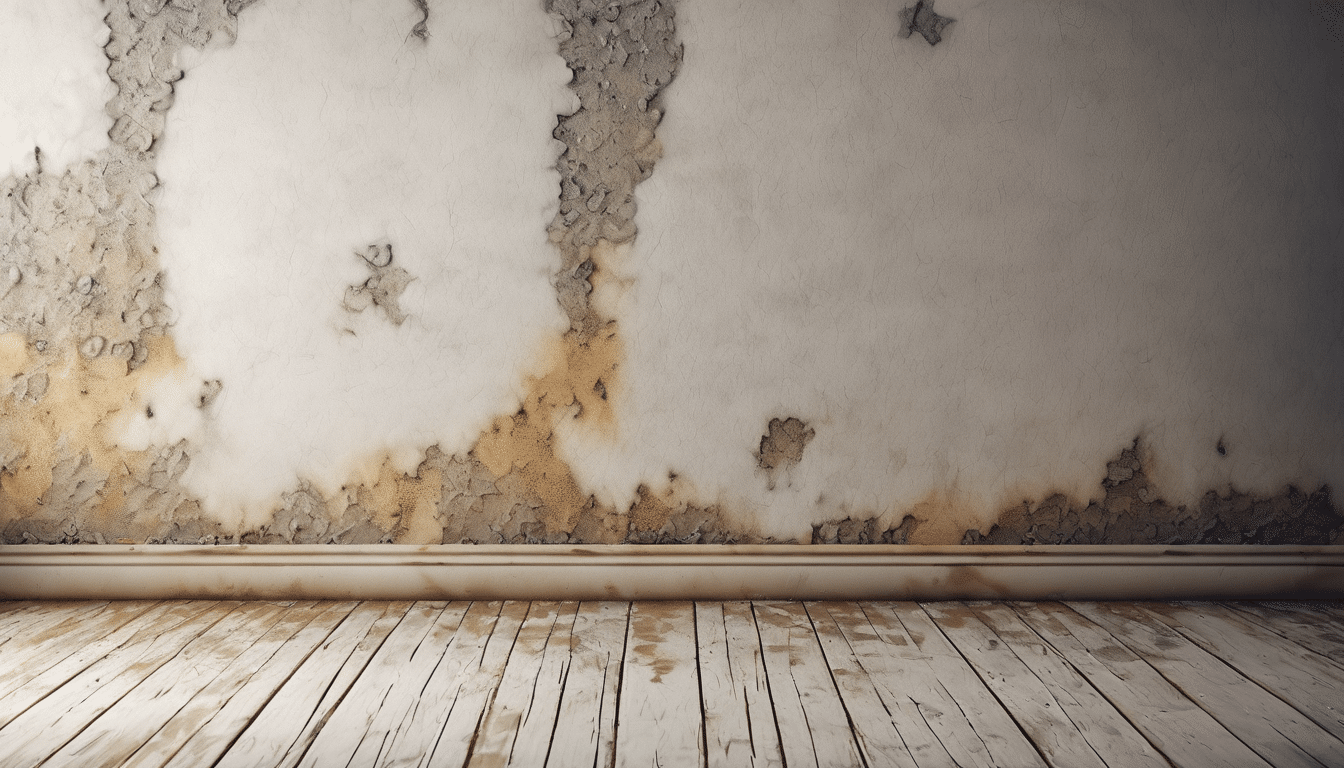
Water damage can lead to significant issues with mold growth within the insulation of buildings. This article delves into the critical strategies required to effectively remove mold from water-damaged insulation, ensuring a long-term solution that prevents future regrowth and maintains indoor air quality.
—
Table of Contents
—
Understanding Mold Removal Strategies for Water-Damaged Insulation
Mold growth within insulation is a serious concern, especially in humid climates like those found in Dubai. This section explores the key factors that contribute to mold growth and the strategies needed to effectively remove it.
—
What Causes Mold Growth?
Water intrusion from leaks or high humidity levels can lead to mold growth within insulation. Understanding these causes is essential for developing effective remediation strategies that address both the immediate issue and prevent future regrowth.
—
Water Damage Assessment and Containment
Before initiating any mold removal, a thorough assessment of water damage must be conducted. This step involves identifying the extent of the damage, determining the source of moisture, and setting up appropriate containment to prevent cross-contamination.
—
Identifying Water Damage
Visible signs such as dampness, discoloration, or musty odors should be noted. Using thermal imaging cameras can help detect hidden water damage behind walls and ceilings that may not be immediately visible.
—
Material Selection and Preparation
The choice of materials for removal is crucial to prevent further contamination. Preparing the area by removing non-removable materials and setting up negative pressure containment ensures a controlled environment for safe mold remediation.
—
Choosing Appropriate Containment Materials
Using appropriate containment barriers such as plastic sheeting, HEPA-filtered air scrubbers, and dehumidifiers is essential to maintain negative pressure during the removal process. This prevents spores from escaping into the living spaces.
—
Drying Process and Humidity Control
The drying process is critical in removing moisture that supports mold growth. Utilizing desiccants, air movers, and dehumidifiers can help reduce humidity levels to below 50% to prevent regrowth.
—
Humidity Control Strategies
Regular monitoring of humidity levels using hygrometers is necessary. Implementing a comprehensive drying plan that includes ventilation and air circulation ensures that moisture content in the insulation is effectively reduced.
—
Removal of Mold-Affected Insulation
Once the area has been sufficiently dried, the next step is to carefully remove the mold-affected insulation. Proper handling techniques and personal protective equipment (PPE) are essential to prevent secondary contamination.
—
Proper Handling of Mold
Mold-contaminated materials should be removed using appropriate PPE, including respirators and gloves. Contaminated insulation can be placed in sealed bags for disposal or treated on-site depending on the extent of contamination.
—
Reconstruction and Replacement Strategies
After mold removal, it is essential to reconstruct and replace the affected areas to prevent future regrowth. This involves selecting appropriate replacement materials and ensuring proper installation techniques.
—
Selecting Appropriate Insulation Materials
Materials that are resistant to moisture and mold, such as fiberglass or spray foam insulation, should be used in areas prone to water damage. Ensuring proper installation techniques can significantly reduce the risk of future contamination.
—
Post-Remediation Monitoring and Maintenance
Even after mold removal is complete, ongoing monitoring and maintenance are necessary to ensure long-term success. This includes regular inspections for signs of moisture intrusion and proactive measures to maintain indoor air quality.
—
Regular Inspections for Moisture Intrusion
Using tools like thermal imaging cameras can help detect hidden moisture issues before they lead to mold regrowth. Implementing a maintenance plan that includes regular inspections and prompt action can prevent future problems.
—
Cost Breakdown and Factors Affecting Pricing
The cost of mold removal for water-damaged insulation varies based on several factors, including the extent of contamination, materials needed, labor costs, and additional services required. This section provides a detailed breakdown to help homeowners understand what to expect.
—
Factors Affecting Cost
Key factors include the size of the affected area, the extent of mold contamination, the type of insulation material, and the presence of hidden damage. Professional consultation can provide a more accurate estimate based on these variables.
—
Expert Tips for Successful Mold Removal
Expert tips from seasoned professionals can significantly enhance the effectiveness of mold removal strategies. This section offers actionable advice to help homeowners and property managers achieve successful outcomes.
—
1. Use a Professional Service
Professional indoor environmental consultants have the expertise to identify hidden damage and develop comprehensive remediation plans that address all aspects of mold growth.
—
2. Follow Industry Guidelines
Adhering to industry standards such as those set by IAC2 can ensure that the remediation process is thorough and effective, reducing the risk of future regrowth.
—
3. Verify Remediation Success
Post-remediation verification using laboratory analysis and air sampling can confirm that mold has been effectively removed, providing peace of mind for homeowners and occupants alike.
—
FAQs about Mold Removal Strategies for Water-Damaged Insulation
Addressing common questions helps clarify the process and expectations. This section provides answers to frequently asked questions related to mold removal strategies for water-damaged insulation.
—
1. Are There Any Tips for Preventing Mold Growth in Insulation?
Regular maintenance, proper ventilation, and addressing moisture issues promptly can significantly reduce the risk of mold growth within insulation.
—
2. How Long Does Mold Remediation Take on Average?
The timeline for mold remediation varies based on the severity of contamination and the scope of work required. Typically, a comprehensive mold removal process can take anywhere from 5 to 10 days.
—
Conclusion: Ensuring Long-Term Success with Proper Mold Removal
Proper mold removal strategies for water-damaged insulation require a comprehensive approach that addresses both immediate issues and long-term prevention. By understanding the factors involved and following expert recommendations, homeowners can ensure a healthy indoor environment free from mold.
—
mold removal strategies, water-damaged insulation,迪拜室内环境, 水损绝缘霉菌去除策略
—
Mold Removal Strategies for Water-Damaged Insulation – Detailed Process of Removing Mold from Insulation in Dubai Homes