
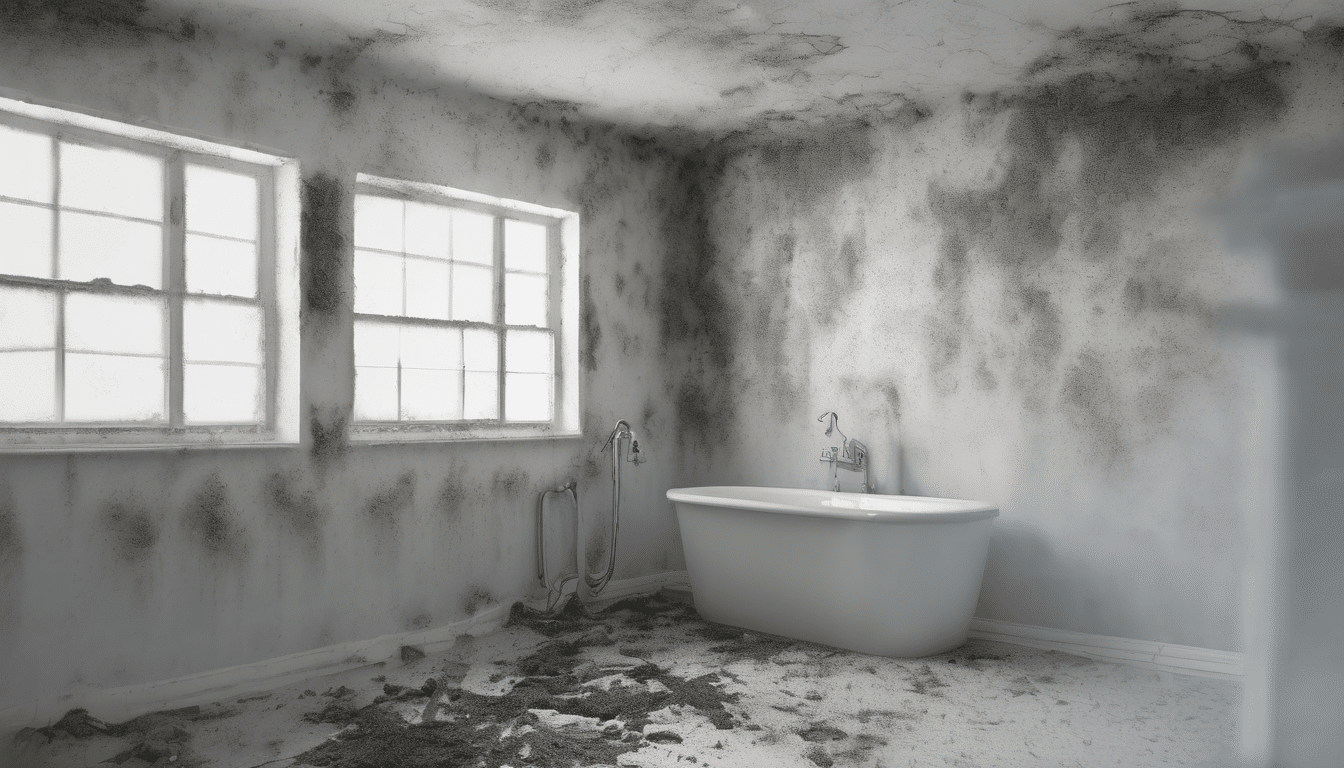
Understanding Choosing Between Chemical And Non-chemical Mold Remediation is essential. —
—
Understanding Choosing Between Chemical and Non-Chemical Mold Remediation
When faced with the challenge of mold remediation, homeowners in Dubai, UAE, often find themselves torn between chemical and non-chemical methods. Both approaches have their merits, but it’s crucial to understand the differences before deciding on a course of action.
Choosing Between Chemical And Non-chemical Mold Remediation – Advantages of Chemical Mold Remediation
Chemical mold remediation typically involves the use of fungicides and biocides that can effectively kill mold spores, preventing their regrowth. This method is often favored for its speed and efficiency in treating large areas quickly. However, it’s important to consider the potential health impacts and environmental concerns associated with chemical treatments.
Non-Chemical Mold Remediation Methods
Non-chemical methods focus on physical removal of mold without relying on chemicals. This can include techniques such as scraping, vacuuming, and heat treatment. Non-chemical approaches are generally considered safer for both the environment and human health, but they may require more time and effort.
Environmental and Health Considerations
The choice between chemical and non-chemical methods should be guided by environmental and health considerations. Chemicals can pose risks to indoor air quality and may contain harmful substances that could affect sensitive individuals. Non-chemical methods, while safer, might require more rigorous cleaning procedures.
Cost Analysis of Both Approaches
Both chemical and non-chemical mold remediation come with their own cost implications. Chemical treatments can be faster but may involve higher initial costs due to the need for specialized equipment and materials. Non-chemical methods, while potentially more labor-intensive, could result in lower overall expenses over time.
Preventing Recurrence with Mold Remediation
To ensure long-term success, it’s essential to address the root causes of mold growth. This might involve improving ventilation, addressing water leaks, and ensuring proper moisture management within the building envelope. Both chemical and non-chemical methods can contribute to preventing future mold issues.
Expert Tips for Selecting the Right Method
1. Consult Professionals: Engage with experienced indoor environmental scientists who can provide a thorough assessment.
2. Consider Health Impacts: Prioritize methods that are least harmful to occupants and the environment.
3. Evaluate Cost-Effectiveness: Weigh initial costs against potential long-term savings.
4. Address Root Causes: Ensure that remediation addresses underlying moisture issues.
5. Follow Up Regularly: Monitor the effectiveness of your chosen method over time.
Frequently Asked Questions About Mold Remediation
Q1: Is chemical mold remediation always superior to non-chemical methods?
A1: Not necessarily. While faster, chemical treatments can pose health risks and may not address the root cause of the problem. This relates directly to Choosing Between Chemical And Non-chemical Mold Remediation.
Q2: Can both methods be used together?
A2: Yes, a combination approach that includes both chemical and non-chemical techniques can sometimes yield better results.
Q3: How do I know if my mold issue is serious enough to require professional intervention?
A3: If visible mold appears, especially in areas like kitchens or bathrooms, it’s advisable to consult a professional for an assessment. The importance of Choosing Between Chemical And Non-chemical Mold Remediation is evident here.
Conclusion
In conclusion, choosing between chemical and non-chemical mold remediation requires careful consideration of various factors. By understanding the pros and cons of each method and consulting with experts, homeowners can make informed decisions that prioritize both health and cost-effectiveness.
—
—
Understanding Choosing Between Chemical and Non-Chemical Mold Remediation
When faced with the challenge of mold remediation, homeowners in Dubai, UAE, often find themselves torn between chemical and non-chemical methods. Both approaches have their merits, but it’s crucial to understand the differences before deciding on a course of action.
Understanding the Differences Between Chemical and Non-Chemical
Chemical mold remediation typically involves the use of fungicides and biocides that can effectively kill mold spores, preventing their regrowth. This method is often favored for its speed and efficiency in treating large areas quickly. However, it’s important to consider the potential health impacts and environmental concerns associated with chemical treatments.
Non-chemical methods focus on physical removal of mold without relying on chemicals. This can include techniques such as scraping, vacuuming, and heat treatment. Non-chemical approaches are generally considered safer for both the environment and human health, but they may require more time and effort.
Advantages of Chemical Mold Remediation
Chemical mold remediation can be advantageous in several ways:
- Rapid Results**: Chemical treatments can quickly kill existing mold, providing a faster resolution.
- Large Area Coverage**: They are effective for treating extensive areas where physical removal might be impractical.
- Inhibition of Regrowth**: Many chemicals prevent the regrowth of mold by disrupting spore germination and growth.
Non-Chemical Mold Remediation Methods
Non-chemical methods offer a range of benefits:
- No Chemical Exposure**: These methods do not introduce potentially harmful substances into the indoor environment.
- Natural Solutions**: Techniques like heat treatment can be effective in eliminating mold without the use of chemicals.
- Long-Term Prevention**: By addressing root causes, non-chemical methods can reduce the likelihood of future mold growth.
Environmental and Health Considerations
The choice between chemical and non-chemical methods should be guided by environmental and health considerations. Chemicals can pose risks to indoor air quality and may contain harmful substances that could affect sensitive individuals. Non-chemical methods, while safer, might require more rigorous cleaning procedures.
For instance, if you have occupants with respiratory issues or allergies, non-chemical methods might be preferable as they avoid introducing additional irritants into the environment. Conversely, in situations where rapid results are critical and there is a low risk of contamination, chemical treatments could be more appropriate.
Cost Analysis of Both Approaches
Both chemical and non-chemical mold remediation come with their own cost implications. Chemical treatments can be faster but may involve higher initial costs due to the need for specialized equipment and materials. Non-chemical methods, while potentially more labor-intensive, could result in lower overall expenses over time.
For example, if a property is experiencing chronic moisture issues that are driving repeated mold growth, non-chemical methods might be more cost-effective as they address underlying conditions rather than just treating symptoms. On the other hand, for a one-time, severe infestation, chemical treatments might offer quicker relief at a higher initial cost. When considering Choosing Between Chemical And Non-chemical Mold Remediation, this becomes clear.
Preventing Recurrence with Mold Remediation
To ensure long-term success, it’s essential to address the root causes of mold growth. This might involve improving ventilation, addressing water leaks, and ensuring proper moisture management within the building envelope. Both chemical and non-chemical methods can contribute to preventing future mold issues.
Root-Cause Analysis
Performing a thorough root-cause analysis is crucial. This involves identifying why the mold has grown in the first place, such as poor drainage, inadequate ventilation, or water intrusion from plumbing leaks. Addressing these underlying issues can prevent future mold growth and reduce the likelihood of repeated remediation.
Expert Tips for Selecting the Right Method
1. Consult Professionals: Engage with experienced indoor environmental scientists who can provide a thorough assessment.
2. Consider Health Impacts: Prioritize methods that are least harmful to occupants and the environment.
3. Evaluate Cost-Effectiveness: Weigh initial costs against potential long-term savings.
4. Address Root Causes: Ensure that remediation addresses underlying moisture issues.
5. Follow Up Regularly: Monitor the effectiveness of your chosen method over time.
Frequently Asked Questions About Mold Remediation
Q1: Is chemical mold remediation always superior to non-chemical methods?
A1: Not necessarily. While faster, chemical treatments can pose health risks and may not address the root cause of the problem.
Q2: Can both methods be used together?
A2: Yes, a combination approach that includes both chemical and non-chemical techniques can sometimes yield better results.
Q3: How do I know if my mold issue is serious enough to require professional intervention?
A3: If visible mold appears, especially in areas like kitchens or bathrooms, it’s advisable to consult a professional for an assessment.
Conclusion
In conclusion, choosing between chemical and non-chemical mold remediation requires careful consideration of various factors. By understanding the pros and cons of each method and consulting with experts, homeowners can make informed decisions that prioritize both health and cost-effectiveness.