
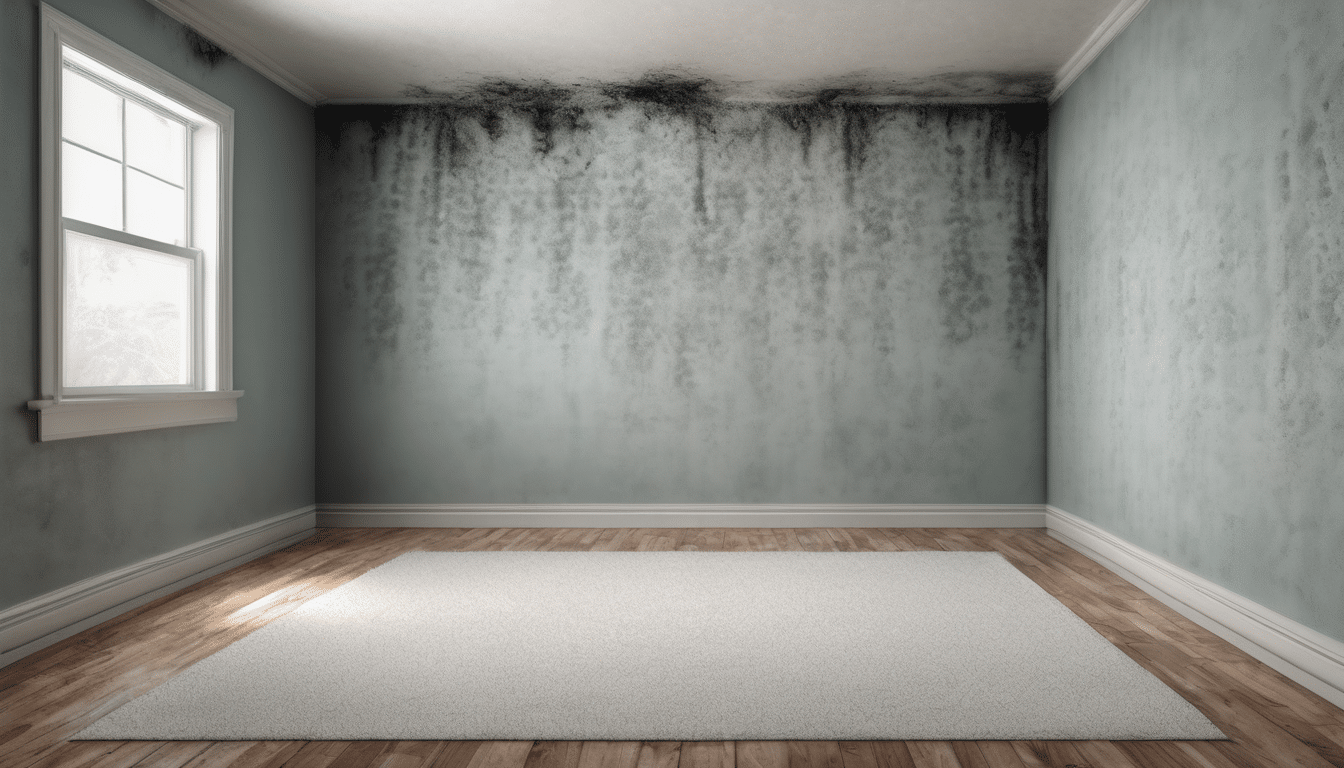
Introduction to Hidden Mold Detection
Detecting hidden mold growth in walls and ceilings can be challenging but crucial for maintaining a healthy indoor environment. In Dubai’s climate, with its high humidity and air conditioning systems, properties are particularly susceptible to mold issues that may not always be visible on the surface. This relates directly to Detect Hidden Mold Growth In Walls And Ceilings.
Hidden mold growth can lead to significant health risks, including respiratory problems, allergies, and other allergic reactions. Proper detection methods are essential for preventing these issues and ensuring long-term building integrity.
Detect Hidden Mold Growth In Walls And Ceilings – Signs of Hidden Mold Growth in Walls and Ceilings
While visual inspections may miss hidden mold, there are several signs that can indicate its presence:
- Musty odors: A musty smell, especially after a rainstorm or high humidity period.
- Discoloration: Dark patches or discoloration on walls and ceilings, which may not always be visible from the surface.
- Water damage: Visible water stains or wet areas that could indicate underlying moisture issues.
- Peeling paint or wallpaper: Peeling or bubbling paint or wallpaper can sometimes mask hidden mold growth behind them.
- Rotting wood: In walls with wooden structures, rot may be an indicator of hidden mold.
These signs should prompt a thorough investigation to identify the source and extent of potential mold contamination.
Detect Hidden Mold Growth In Walls And Ceilings – Diagnostic Tools for Hidden Mold Detection
Several diagnostic tools can help in identifying hidden mold growth. These include:
- Moisture meters: To measure moisture levels, which are often a primary cause of mold growth.
- Thermal cameras: For detecting temperature differences that may indicate hidden mold colonies.
- Sampling tools: Such as swab tests or tape lift samples for lab analysis.
These tools provide a more accurate picture of the conditions within walls and ceilings, helping to pinpoint areas requiring further investigation.
Detect Hidden Mold Growth In Walls And Ceilings – Using Sensors and Imaging Techniques
Advanced imaging techniques can reveal hidden mold growth:
- Borescopes: These devices allow for a detailed inspection of hidden areas behind walls, floors, and ceilings.
- Infrared cameras: To identify temperature variations that may indicate the presence of mold colonies.
Sensors can also be used to monitor environmental conditions such as humidity and temperature, which are critical in detecting and preventing hidden mold growth.
Borescopes and Inspection Cameras
Using borescopes or inspection cameras can provide a clear view of areas behind walls and ceilings. These tools help in: When considering Detect Hidden Mold Growth In Walls And Ceilings, this becomes clear.
- Visual inspection: To directly observe potential mold growth without damaging the wall.
- Cleaning validation: Ensuring that all visible mold has been removed after remediation efforts.
This method is particularly useful for complex or multi-room properties, as it allows for a systematic and thorough inspection process.
Thermal Imaging for Hidden Mold Detection
Thermal imaging can be an effective tool in detecting hidden mold growth:
- Identifying moisture hotspots: Areas where moisture levels are higher, which may indicate active mold colonies.
- Temperature differences: Thermal cameras can highlight temperature variations that could point to hidden mold.
This technique is non-invasive and allows for a comprehensive inspection of the property without causing damage. It’s particularly useful in areas where conventional methods might miss visible signs of mold growth.
Lab Testing and Species Identification
Laboratory testing can provide definitive confirmation of hidden mold growth:
- Swab tests: Collecting samples from suspicious areas for analysis.
- Tape lift samples: Removing a small portion of material to test under the microscope.
The results can identify specific types of mold present, which is crucial for developing targeted remediation strategies. This method ensures that hidden mold growth is accurately diagnosed and addressed.
<h2 id="preventing-future-mold-growth”>Preventing future Mold Growth
To prevent future mold growth in walls and ceilings:
- Regular inspections: Conduct regular checks to identify potential issues early.
- Ventilation improvements: Ensuring proper ventilation, especially in areas prone to moisture accumulation.
- Moisture control: Addressing underlying sources of moisture, such as plumbing leaks or poor drainage.
Incorporating these preventive measures into your building maintenance routine can significantly reduce the risk of hidden mold growth and associated health risks.
Expert Tips for Detecting Hidden Mold
Here are some expert tips to help you detect hidden mold more effectively:
- Combination approach: Use a combination of visual inspection, moisture meters, and thermal imaging for comprehensive detection.
- Professional assistance: Consider hiring professionals with specialized equipment and expertise in mold detection.
- Prioritize high-risk areas: Focus on areas where hidden mold growth is more likely, such as bathrooms, kitchens, and basements.
By following these tips, you can enhance your ability to detect hidden mold and take appropriate action to protect the health of yourself and your family.
FAQ Section
- Q: What is the most reliable method for detecting hidden mold?
- A: A combination of visual inspection, moisture meters, thermal imaging, and lab testing provides the most comprehensive approach.
- Q: How often should I check for hidden mold in my property?
- A: Conduct inspections every 6 to 12 months, especially after significant water damage or during seasons with high humidity.
- Q: Can DIY methods effectively detect hidden mold growth?
- A: While DIY methods can be useful for initial checks, professional tools and expertise are recommended for comprehensive detection.
This FAQ section addresses common questions homeowners might have about detecting hidden mold in their properties.
For more information, visit this resource.
Conclusion
Detecting hidden mold growth in walls and ceilings is crucial for maintaining a healthy indoor environment. By using a combination of diagnostic tools, professional expertise, and preventive measures, you can effectively identify and address potential mold issues before they become severe.
Understanding the signs, utilizing advanced detection methods, and taking proactive steps are key to ensuring long-term building health and occupant safety. Understanding Detect Hidden Mold Growth In Walls And Ceilings is key to success in this area.