
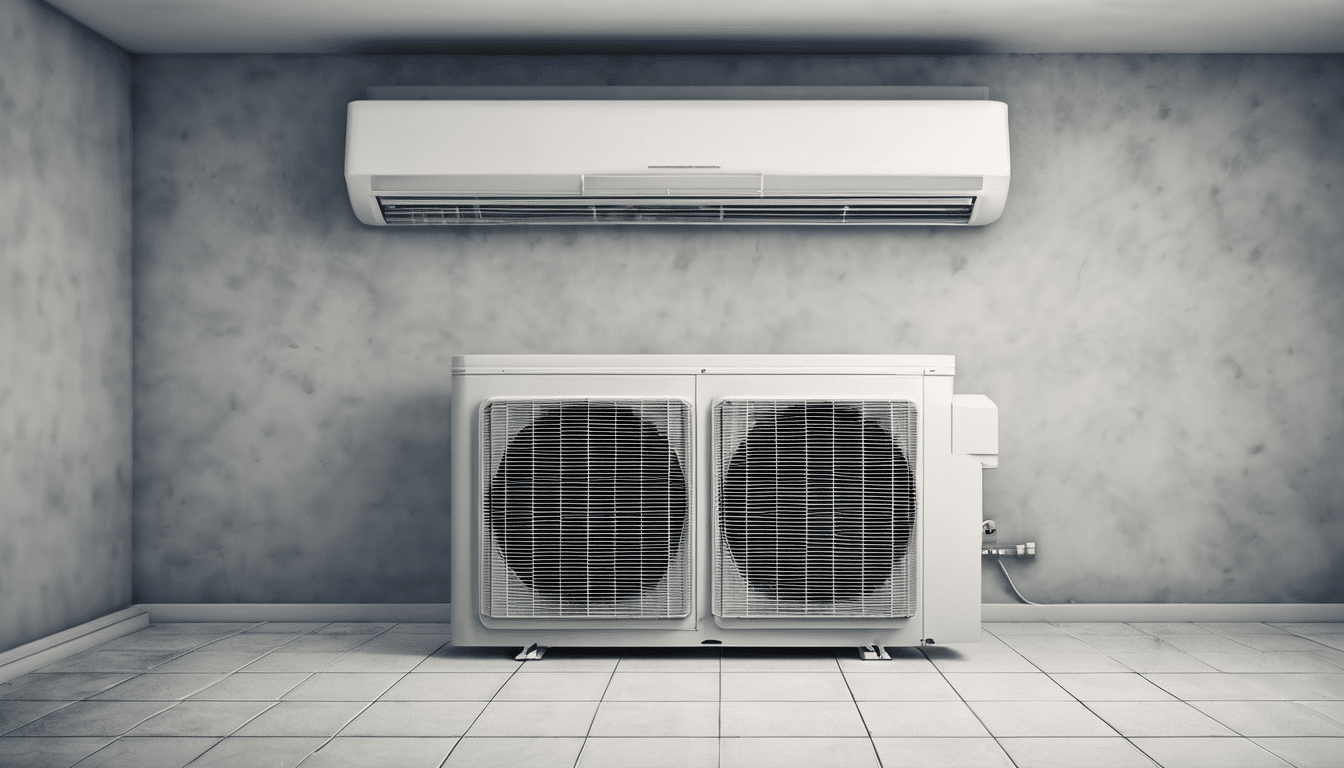
Understanding Understanding the Role Of Hvac Systems In mold Prevention is essential. —
In this guide, we will explore the essential role that HVAC (Heating, Ventilation, and Air Conditioning) systems play in preventing mold growth within buildings. By understanding these systems’ mechanics and maintenance requirements, you can significantly reduce the risk of mold development.
—
—
Understanding The Role Of Hvac Systems In Mold Prevention – Understanding HVAC Systems in Mold Prevention
HVAC systems are integral to maintaining indoor air quality, especially in the hot and humid climate of Dubai. These systems control temperature, humidity, airflow, and ventilation within a building. Properly functioning HVAC systems can prevent mold growth by ensuring that moisture levels remain within safe limits. Understanding how these systems work is crucial for effective mold prevention.
The Role of HVAC Systems
HVAC systems consist of components such as air handlers, filters, ductwork, dampers, and fans. These elements work together to circulate air throughout the building, remove moisture, and maintain optimal temperature conditions. By managing these factors, HVAC systems can significantly reduce the risk of mold development.
—
Understanding The Role Of Hvac Systems In Mold Prevention – Mold Growth Mechanisms and HVAC Systems
Mold thrives in warm, humid environments with abundant moisture. HVAC systems are critical in controlling these conditions by regulating temperature and humidity levels. Understanding the mechanisms behind mold growth can help identify areas where HVAC systems may fail to prevent it.
Conditions Favoring Mold Growth
– High Humidity Levels: Humidity above 60% creates a favorable environment for mold spores to germinate.
– Poor Airflow: Stagnant air allows moisture to accumulate in specific areas, leading to condensation and mold growth.
– Leaky Ducts and Seals: Leaks can introduce excess moisture into the HVAC system, creating an ideal breeding ground for mold.
—
Understanding The Role Of Hvac Systems In Mold Prevention – Airflow and Ventilation Strategies for Mold Prevention
Effective airflow and ventilation are key to preventing mold growth within HVAC systems. Properly designed and maintained systems ensure that air is circulated efficiently, reducing the risk of moisture buildup.
Key Components for Effective Airflow
– High-Efficiency Filters: Replace filters regularly to prevent dust and debris from clogging the system.
– Balanced Supply and Return Airflow: Ensure that both supply and return airflows are balanced to avoid stagnant areas where mold can grow.
– Duct Sealing: Proper sealing of ducts prevents leaks, reducing the risk of moisture intrusion. This relates directly to Understanding The Role Of Hvac Systems In Mold Prevention.
—
Humidity Control in HVAC Systems
Controlling humidity is essential for preventing mold growth. HVAC systems equipped with dehumidifiers and humidifiers can maintain optimal relative humidity levels.
Dehumidification Techniques
– Whole-House Dehumidifiers: Install these units to remove excess moisture from the air, reducing the risk of condensation.
– Dehumidifier Sizing: Ensure that dehumidifiers are appropriately sized for your building’s square footage and humidity requirements.
—
Maintenance Best Practices for Mold Prevention
Regular maintenance is crucial to keeping HVAC systems functioning optimally. Neglecting regular servicing can lead to moisture accumulation, creating conditions favorable for mold growth.
Key Maintenance Tasks
– Filter Replacement: Replace filters every 1-3 months or as recommended by the manufacturer.
– System Cleaning: Clean the interior of the HVAC system annually to remove dust and debris that can harbor mold spores.
– Duct Inspection and Repair: Inspect ducts for leaks, damage, or obstructions. Seal any gaps or cracks to prevent moisture entry.
—
Detecting Hidden Mold Growth with HVAC
Hidden mold growth within HVAC systems can pose significant risks if left undetected. Advanced techniques and diagnostic tools are essential for identifying hidden mold spores.
Diagnostic Tools and Techniques
– Thermal Imaging: Use thermal imaging cameras to detect temperature variations that may indicate moisture accumulation.
– Borescope Inspection: Insert a borescope into ducts, vents, and other concealed areas to visually inspect for signs of mold growth.
– Laboratory Testing: Collect samples from HVAC components for laboratory analysis to identify the presence of mold spores.
—
Preventing Recurring Mold Issues through HVAC
To prevent recurring mold issues, it is essential to address underlying moisture problems and implement long-term strategies that ensure continuous air quality monitoring.
Strategies for Long-Term Mold Prevention
– Thermal Insulation: Add thermal insulation to ductwork and pipes to reduce temperature fluctuations and minimize condensation.
– Moisture Barriers: Install moisture barriers in walls, ceilings, and floors to prevent water intrusion.
– Regular Monitoring: Implement a regular monitoring program using air quality sensors to detect early signs of mold growth. When considering Understanding The Role Of Hvac Systems In Mold Prevention, this becomes clear.
—
Conclusion and Expert Tips for Mold Prevention
Understanding the role of HVAC systems in mold prevention is crucial for maintaining healthy indoor environments. By implementing best practices and regularly servicing your HVAC system, you can significantly reduce the risk of mold growth.
Expert Tips:
1. Regular Maintenance: Schedule routine maintenance checks at least twice a year.
2. Filter Replacement: Replace filters every 30-60 days to prevent dust buildup.
3. Dehumidification: Use dehumidifiers to maintain optimal humidity levels.
4. Professional Inspections: Hire professionals for regular HVAC inspections and mold testing.
—
Frequently Asked Questions (FAQ)
- Q: How often should I replace my HVAC filters?
- Q: Can mold grow in air conditioning units even if they are well-maintained?
- Q: Are there any signs that indicate a need for HVAC system upgrades?
A: Filters should be replaced every 30-60 days, depending on usage and manufacturer recommendations.
A: Yes, mold can still grow in AC units. Regular cleaning and maintenance are essential to prevent this.
A: Signs include inefficient cooling or heating, frequent breakdowns, and noticeable air quality issues.
—
Conclusion
By understanding the role of HVAC systems in mold prevention, you can take proactive steps to ensure a healthy indoor environment. Regular maintenance, proper humidity control, and regular inspections are key to preventing recurring mold issues.
—

—
,
,building-maintenance
,mold-prevention
,hvac-systems
,indoor-air-quality
Understanding Understanding The Role Of Hvac Systems In Mold Prevention is key to success in this area.