
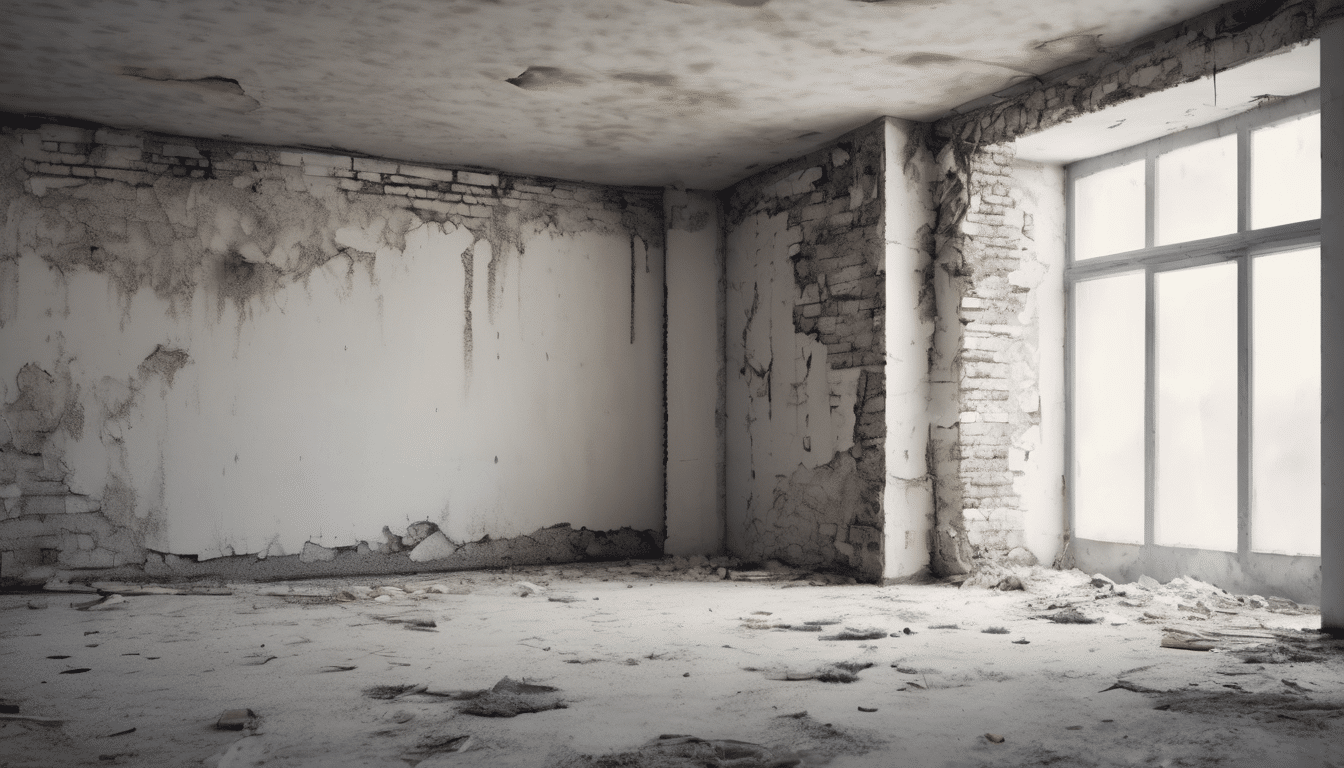
Understanding Preventive Building Modifications To Avoid Future Mold is essential. —
TITLE—
—
META—
Preventive Building Modifications to Avoid Future Mold – Discover the most effective strategies to keep your home and office free from mold growth.
—
EXCERPT—
Mold can be a persistent problem in buildings, especially those built or renovated with certain materials. Preventing future mold growth requires strategic modifications that address the underlying causes of moisture and poor air quality. This guide will walk you through the steps to create a mold-free environment by making preventive building modifications.
—
CONTENT—
—
Understanding Preventive Building Modifications to Avoid Future Mold
Preventive building modifications are crucial for avoiding future mold growth in buildings. These changes address the underlying causes of moisture and poor air quality, creating a more hygienic and healthy environment.
—
Preventive Building Modifications To Avoid Future Mold – Identifying Risk Factors for Mold Growth
Mold thrives in environments with high humidity levels, poor ventilation, and excessive moisture. Identifying these risk factors is the first step towards effective mold prevention:
- High Humidity Levels: Excessive indoor moisture can lead to mold growth. In Dubai’s hot climate, maintaining a relative humidity level below 60% is essential.
- Poor Ventilation: Insufficient air circulation allows moisture and pollutants to accumulate, creating ideal conditions for mold.
- Water Leaks or Dampness: Unaddressed leaks can lead to persistent moisture, making areas prone to mold growth. Regular inspections are necessary.
—
Preventive Building Modifications To Avoid Future Mold – Material Selection and Installation for Mold Prevention
The choice of materials and their installation play a significant role in preventing mold:
- Water-Resistant Materials: Use materials like waterproof paints, coatings, and sealants to prevent moisture penetration.
- Mold-Resistant Products: Select products certified for mold resistance. These often include antimicrobial additives that inhibit mold growth.
- Clean Installation Processes: Ensure proper sealing of gaps and cracks where moisture can enter the building envelope.
—
Improving Air Quality and Ventilation to Prevent Mold
A well-ventilated environment reduces the risk of mold by minimizing moisture buildup:
- Whole-House Ventilation Systems: Install ventilation systems that exchange indoor air with fresh outdoor air, reducing humidity levels.
- Spot Ventilation: Use exhaust fans in kitchens and bathrooms to remove moisture-laden air immediately after use.
- Energy Recovery Ventilators (ERVs): These devices provide ventilation while maintaining energy efficiency by pre-conditioning incoming air with the temperature of outgoing air.
—
Controlling Moisture Through Strategic Modifications
Strategic modifications can significantly reduce moisture levels, preventing mold growth:
- Dehumidification Systems: Install dehumidifiers in areas prone to high humidity, such as basements and crawl spaces.
- Thermal Insulation: Proper insulation helps maintain consistent temperatures, reducing condensation risks.
- Seal Gaps and Cracks: Use weatherstripping, caulking, and other sealants to prevent air leaks that can cause moisture buildup.
—
Maintaining Building Integrity for Long-Term Mold Prevention
Maintaining the structural integrity of a building is essential for preventing mold:
- Regular Inspections: Schedule periodic inspections to identify and address potential moisture issues before they become severe.
- Proper Drainage Systems: Ensure that gutters, downspouts, and drainage systems are functioning correctly to prevent water from pooling near the building’s foundation.
- Foundation Moisture Barriers: Install barriers like waterproof membranes or sealants around the foundation to prevent groundwater intrusion.
—
Expert Tips: Preventive Modifications to Avoid Future Mold
Here are some expert tips for implementing preventive building modifications effectively:
- Start with a Comprehensive Assessment: Hire an indoor environmental consultant to identify specific risk factors and recommend targeted modifications.
- Choose High-Quality Materials: Opt for products that meet or exceed industry standards for mold resistance and moisture management.
- Incorporate Smart Technologies: Use smart thermostats, humidity monitors, and air quality sensors to monitor and control indoor conditions in real-time.
- Develop a Maintenance Plan: Establish a regular maintenance schedule to keep systems like dehumidifiers and ventilation units functioning optimally.
—
Frequently Asked Questions
- Q: Is it more effective to use chemical or non-chemical mold remediation?
- A: Non-chemical methods often provide long-term solutions by addressing the root causes of moisture and poor air quality. However, in severe cases, a combination approach may be necessary.
- Q: Can preventive modifications completely eliminate the risk of future mold growth?
- A: While comprehensive modifications significantly reduce the risk, it is nearly impossible to eliminate all potential for mold growth entirely. Regular maintenance and inspections are crucial.
—
Conclusion
Preventive building modifications are essential for avoiding future mold growth in buildings. By addressing moisture issues, improving air quality, and maintaining structural integrity, you can create a healthier indoor environment. Remember to involve professionals like indoor environmental consultants to ensure your modifications are effective and sustainable.
—

—
TAGS—
preventive building modifications, mold prevention, moisture control, air quality improvement
—
ALT_TEXT—