
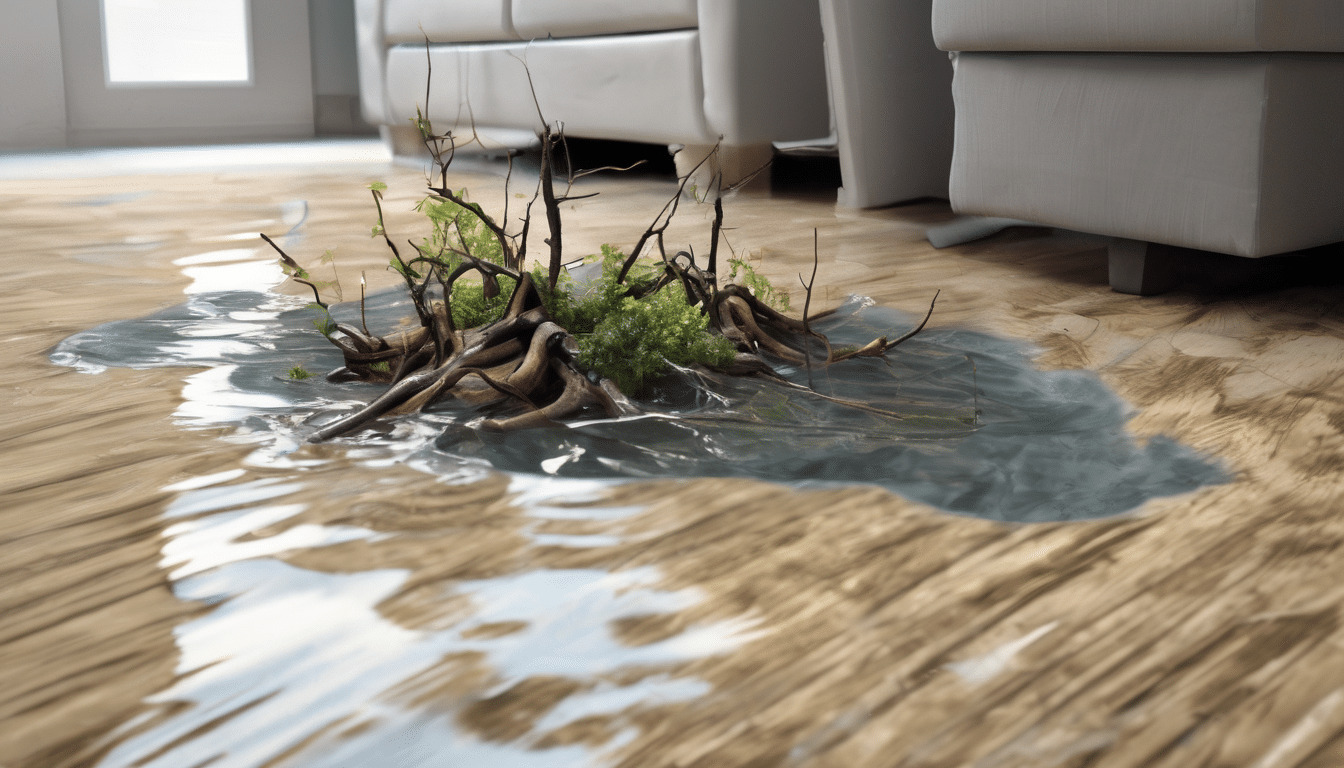
Understanding Root-Cause Analysis for Recurring Water Damage Issues is essential. —
TITLE—
—
META—
—
EXCERPT—
Water damage can be a persistent problem, leading to extensive repairs and costly remediation efforts. Understanding the root cause is essential for preventing future issues. In this article, we’ll explore how to conduct an effective root-cause analysis to address recurring water damage in Dubai homes and buildings.
—
CONTENT—
Understanding Root-Cause Analysis for Recurring Water Damage Issues
Water damage is a common issue in residential and commercial properties, often resulting from leaks, flooding, or inadequate moisture management. While immediate repairs are necessary, failing to address the underlying cause can lead to recurring problems. A root-cause analysis helps identify the primary factors contributing to water damage, enabling targeted solutions for long-term prevention.
Root-cause Analysis For Recurring Water Damage Issues – Identifying Common Causes of Water Damage
Water damage can stem from a variety of sources, including plumbing leaks, roof issues, HVAC malfunctions, and poor construction practices. In this section, we’ll explore the most common causes of water damage in Dubai homes and buildings.
Plumbing Leaks
Leaking pipes or fixtures are one of the leading causes of water damage. Identifying these leaks requires a thorough inspection of plumbing systems, including both visible and hidden areas such as walls and ceilings.
Roofing Issues
A compromised roof can lead to significant water intrusion during heavy rain or storms. Regular inspections and maintenance are crucial for identifying potential issues before they cause damage.
Root-cause Analysis For Recurring Water Damage Issues – Conducting a Root-Cause Analysis for Water Damage
Once the common causes have been identified, a comprehensive root-cause analysis can be conducted. This involves several steps to ensure an accurate and thorough investigation.
Visual Inspection
The first step is a visual inspection of the property. Look for signs of water damage such as discoloration, musty odors, or structural issues. This initial assessment helps narrow down potential areas to investigate further. This relates directly to Root-cause Analysis For Recurring Water Damage Issues.
Building Science Diagnosis
Using building science principles, analyze factors like airflow, moisture management, and thermal dynamics. Understanding these elements can reveal hidden causes of water damage that are not immediately apparent.
Implementing Solutions for Recurrent Water Damage
After identifying the root cause, a plan to address the issue must be developed. This section outlines practical steps and strategies for mitigating recurrent water damage in Dubai homes and buildings.
Repairing Leaking Plumbing Systems
Addressing plumbing leaks requires professional repairs. Ensure that all pipes, fixtures, and connections are properly sealed to prevent future issues.
Replacing or Repairing Roofing Structures
If the roofing is found to be compromised, consider replacing or repairing it as soon as possible. This will protect against water intrusion and reduce the risk of future damage.
Preventive Maintenance Strategies
Proactive measures are essential for preventing recurrent water damage. Implementing regular maintenance checks can catch potential issues before they escalate into costly repairs.
Regular Inspections of Plumbing and Roofing Systems
Schedule annual inspections of the plumbing and roofing systems to identify any signs of wear or damage early on. This can significantly reduce the risk of water damage.
HVAC Maintenance and Aeration
Ensure that HVAC systems are regularly maintained to promote proper airflow and moisture management. Effective aeration helps prevent condensation buildup, reducing the likelihood of water damage.
Case Study Analysis of Water Damage Issues
To illustrate the effectiveness of root-cause analysis in addressing recurring water damage issues, we’ll examine two case studies from Dubai homes and buildings.
Case Study 1: Identifying a Hidden Leak
A property in Dubai was experiencing repeated flooding in the basement. Initial inspections revealed no obvious leaks, leading to a deeper investigation using moisture mapping technology. This uncovered hidden plumbing issues behind walls that were causing continuous water damage. When considering Root-cause Analysis For Recurring Water Damage Issues, this becomes clear.
Case Study 2: Addressing Roof Leaks
Another home in Dubai suffered from persistent roof leaks during heavy rainfalls. Through a comprehensive root-cause analysis, it was determined that the flashing around skylights was deteriorating. By replacing and sealing these areas, the client effectively eliminated future water damage.
Expert Tips for Managing Water Damage
To help you better manage recurring water damage issues in your property, here are some practical tips from a certified indoor environmental scientist:
- Invest in professional inspections. Regular checks can identify potential issues early and prevent costly repairs.
- Implement moisture mapping technology. This advanced tool helps pinpoint hidden sources of water damage, ensuring that all areas are properly addressed.
- Keep records of maintenance and repairs. Documentation can be invaluable in tracking the effectiveness of your strategies and making informed decisions.
FAQ Section
- Q: How often should I conduct a root-cause analysis for water damage?
- Q: Can DIY methods be effective in addressing root causes of water damage?
- Q: How do I know if my property is at risk of recurring water damage?
A: It’s advisable to perform regular inspections, especially after significant weather events or if you notice signs of moisture buildup. A comprehensive analysis every 3-5 years is recommended.
A: While some DIY repairs can be effective, complex issues may require professional assistance. It’s best to consult with a certified indoor environmental scientist for accurate assessments and solutions.
A: Signs include persistent moisture stains, mold growth, or structural issues. Regular inspections can help identify potential risks before they become major problems.
Conclusion
Addressing recurring water damage requires a systematic approach that goes beyond immediate repairs. By conducting a thorough root-cause analysis and implementing preventive measures, you can effectively mitigate future issues and protect your property from costly damages.
—
TAGS—
root-cause analysis, water damage, recurring issues, Dubai homes, building science
—
ALT_TEXT—
Root-Cause Analysis for Recurring Water Damage Issues – Comprehensive guide on identifying and addressing the root causes of water damage in residential properties.