
—
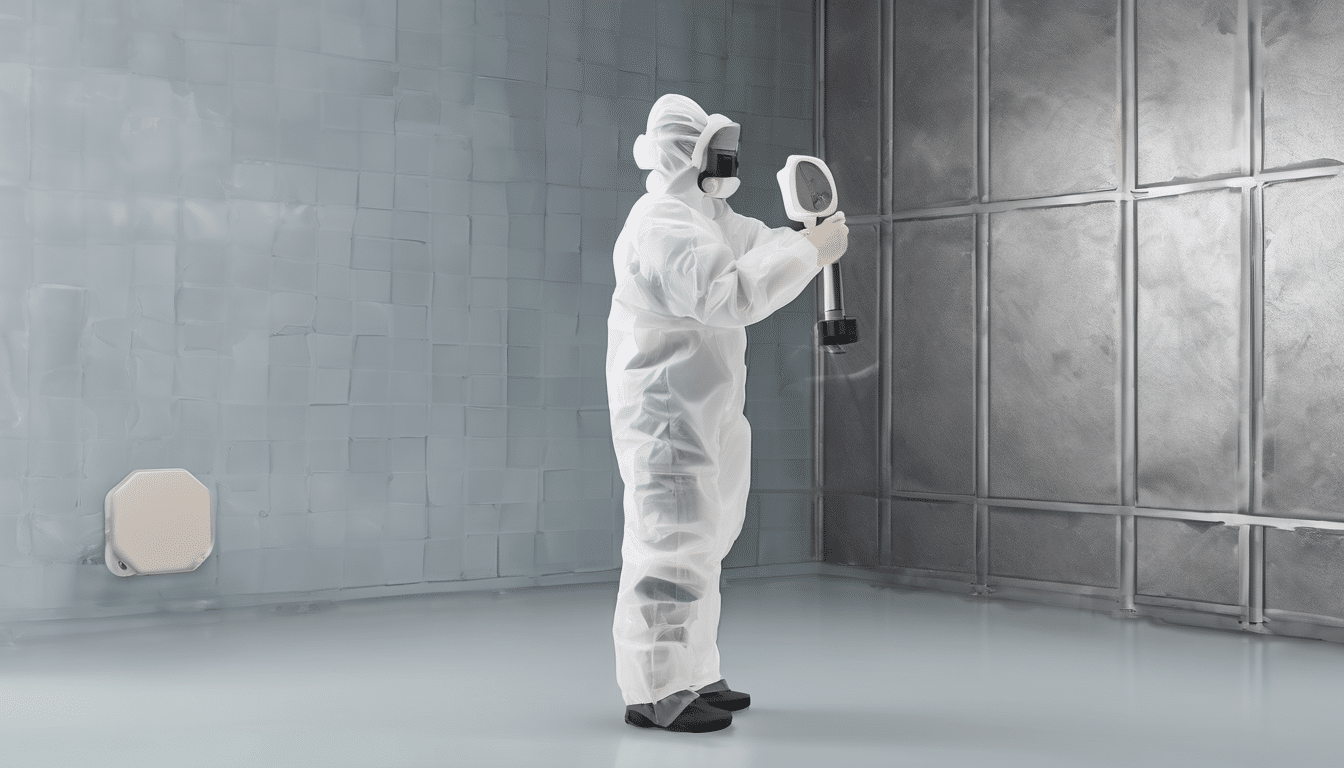
The effectiveness of air sampling in mold detection is a critical aspect of indoor environmental health. This guide explores the different methods and best practices for using air sampling, helping you identify hidden mold behind walls and prevent future growth. Whether you are a homeowner or a professional dealing with complex indoor environments, understanding how to use air sampling can significantly enhance your ability to address mold issues.
Effectively Using Air Sampling In Mold Detection – Comparison of Air Sampling Methods: Swabs vs. Spore Traps
Two primary methods for air sampling in mold detection are swabbing and spore traps. Each method has its advantages and limitations, making it essential to understand their differences. This relates directly to Effectively Using Air Sampling In Mold Detection.
Swab Sampling
- Pros: Provides direct contact with the sample surface, ensuring high accuracy in identifying mold species.
- Cons: May miss airborne spores and is more labor-intensive. Results can be slower to obtain due to the need for culture or PCR analysis.
Spore Trap Sampling
- Pros: Collects airborne spores, providing a more comprehensive view of mold presence in the air. Results are typically faster and easier to obtain.
- Cons: May not capture all species present on surfaces. Requires specialized equipment for accurate interpretation.
Effectively Using Air Sampling In Mold Detection – Advantages of Air Sampling for Mold Detection
Air sampling offers several advantages that make it a valuable tool in mold detection and remediation:
- Comprehensive Analysis: Provides a holistic view of the air quality, identifying both visible and hidden mold.
- Early Detection: Can detect mold spores before they become visible or cause significant health issues.
- Scientific Validation: Laboratory analysis ensures accurate identification and quantification of mold species present in the air.
Effectively Using Air Sampling In Mold Detection – Disadvantages and Limitations of Air Sampling
While air sampling is a powerful tool, it also has its limitations. Understanding these can help you make informed decisions about when to use this method:
- Laboratory Dependency: Requires specialized equipment and trained personnel for accurate interpretation.
- Cost Implications: Can be more expensive than other methods due to the need for laboratory analysis.
- Potential Cross-Contamination: If not handled correctly, swabbing can introduce mold spores into areas where they did not previously exist.
Best Practices for Effective Use of Air Sampling
To get the most out of air sampling in mold detection, follow these best practices:
- Proper Placement: Place spore traps and swabs strategically to capture representative samples from different areas.
- Timely Analysis: Ensure prompt laboratory analysis for accurate results. Delayed processing can affect the reliability of findings.
- Data Interpretation: Work with professionals who have experience in mold species identification and interpretation to avoid misdiagnosis.
Practical Applications of Air Sampling in Mold Detection
Air sampling can be particularly useful in the following scenarios:
- Forensic Investigations: Identifying hidden mold growth behind walls or in HVAC systems.
- Risk Assessment: Evaluating air quality to determine potential health risks for sensitive occupants, such as children and elderly individuals.
- Remediation Verification: Confirming the effectiveness of mold remediation efforts by re-sampling after treatment.
Expert Tips and Tricks
To further enhance your air sampling process, consider these expert tips:
- Use Multiple Methods: Combine swabbing with spore trapping for a more comprehensive analysis.
- Train Personnel: Ensure that all team members understand proper techniques and the importance of accuracy in sampling and data interpretation.
- Document Everything: Maintain thorough records of your air sampling process, including locations, dates, and findings. This documentation can be crucial for future reference and legal purposes.
Frequently Asked Questions (FAQs)
- Q: When should I use air sampling in mold detection?
A: Air sampling is ideal when you need a comprehensive view of the indoor environment, especially to identify hidden or latent mold issues. When considering Effectively Using Air Sampling In Mold Detection, this becomes clear.
- Q: How often should I perform air sampling?
A: The frequency depends on your specific needs. Regular monitoring can help catch issues early, while one-time sampling may be sufficient for initial assessments. The importance of Effectively Using Air Sampling In Mold Detection is evident here.
- Q: Can air sampling alone determine the source of mold growth?
A: While air sampling provides valuable data, it is often necessary to combine this information with other diagnostic methods, such as moisture mapping and building diagnostics, to pinpoint the exact source of mold.
Conclusion
Effectively using air sampling in mold detection requires a thorough understanding of its advantages and limitations. By following best practices and combining this method with other diagnostic tools, you can enhance your ability to identify hidden mold issues and implement effective remediation strategies. Whether you are a homeowner or a professional, mastering the use of air sampling will significantly improve your approach to indoor environmental health.
—
Mold detection is a critical aspect of maintaining indoor air quality. This guide explores the different methods and best practices for using air sampling, helping you identify hidden mold behind walls and prevent future growth.
Comparison of Air Sampling Methods: Swabs vs. Spore Traps
Two primary methods for air sampling in mold detection are swabbing and spore traps. Each method has its advantages and limitations, making it essential to understand their differences.
Swab Sampling
- Pros: Provides direct contact with the sample surface, ensuring high accuracy in identifying mold species.
- Cons: May miss airborne spores and is more labor-intensive. Results can be slower to obtain due to the need for culture or PCR analysis.
Spore Trap Sampling
- Pros: Collects airborne spores, providing a more comprehensive view of mold presence in the air. Results are typically faster and easier to obtain.
- Cons: May not capture all species present on surfaces. Requires specialized equipment for accurate interpretation.
Advantages of Air Sampling for Mold Detection
Air sampling offers several advantages that make it a valuable tool in mold detection and remediation:
- Comprehensive Analysis: Provides a holistic view of the air quality, identifying both visible and hidden mold.
- Early Detection: Can detect mold spores before they become visible or cause significant health issues.
- Scientific Validation: Laboratory analysis ensures accurate identification and quantification of mold species present in the air.
Disadvantages and Limitations of Air Sampling
While air sampling is a powerful tool, it also has its limitations. Understanding these can help you make informed decisions about when to use this method:
- Laboratory Dependency: Requires specialized equipment and trained personnel for accurate interpretation.
- Cost Implications: Can be more expensive than other methods due to the need for laboratory analysis.
- Potential Cross-Contamination: If not handled correctly, swabbing can introduce mold spores into areas where they did not previously exist.
Best Practices for Effective Use of Air Sampling
To get the most out of air sampling in mold detection, follow these best practices:
- Proper Placement: Place spore traps and swabs strategically to capture representative samples from different areas.
- Timely Analysis: Ensure prompt laboratory analysis for accurate results. Delayed processing can affect the reliability of findings.
- Data Interpretation: Work with professionals who have experience in mold species identification and interpretation to avoid misdiagnosis.
Practical Applications of Air Sampling in Mold Detection
Air sampling can be particularly useful in the following scenarios:
- Forensic Investigations: Identifying hidden mold growth behind walls or in HVAC systems.
- Risk Assessment: Evaluating air quality to determine potential health risks for sensitive occupants, such as children and elderly individuals.
- Remediation Verification: Confirming the effectiveness of mold remediation efforts by re-sampling after treatment.
Expert Tips and Tricks
To further enhance your air sampling process, consider these expert tips:
- Use Multiple Methods: Combine swabbing with spore trapping for a more comprehensive analysis.
- Train Personnel: Ensure that all team members understand proper techniques and the importance of accuracy in sampling and data interpretation.
- Document Everything: Maintain thorough records of your air sampling process, including locations, dates, and findings. This documentation can be crucial for future reference and legal purposes.
Frequently Asked Questions (FAQs)
- Q: When should I use air sampling in mold detection?
A: Air sampling is ideal when you need a comprehensive view of the indoor environment, especially to identify hidden or latent mold issues.
- Q: How often should I perform air sampling?
A: The frequency depends on your specific needs. Regular monitoring can help catch issues early, while one-time sampling may be sufficient for initial assessments.
- Q: Can air sampling alone determine the source of mold growth?
A: While air sampling provides valuable data, it is often necessary to combine this information with other diagnostic methods, such as moisture mapping and building diagnostics, to pinpoint the exact source of mold.
Conclusion
Effectively using air sampling in mold detection requires a thorough understanding of its advantages and limitations. By following best practices and combining this method with other diagnostic tools, you can enhance your ability to identify hidden mold issues and implement effective remediation strategies. Whether you are a homeowner or a professional, mastering the use of air sampling will significantly improve your approach to indoor environmental health.