
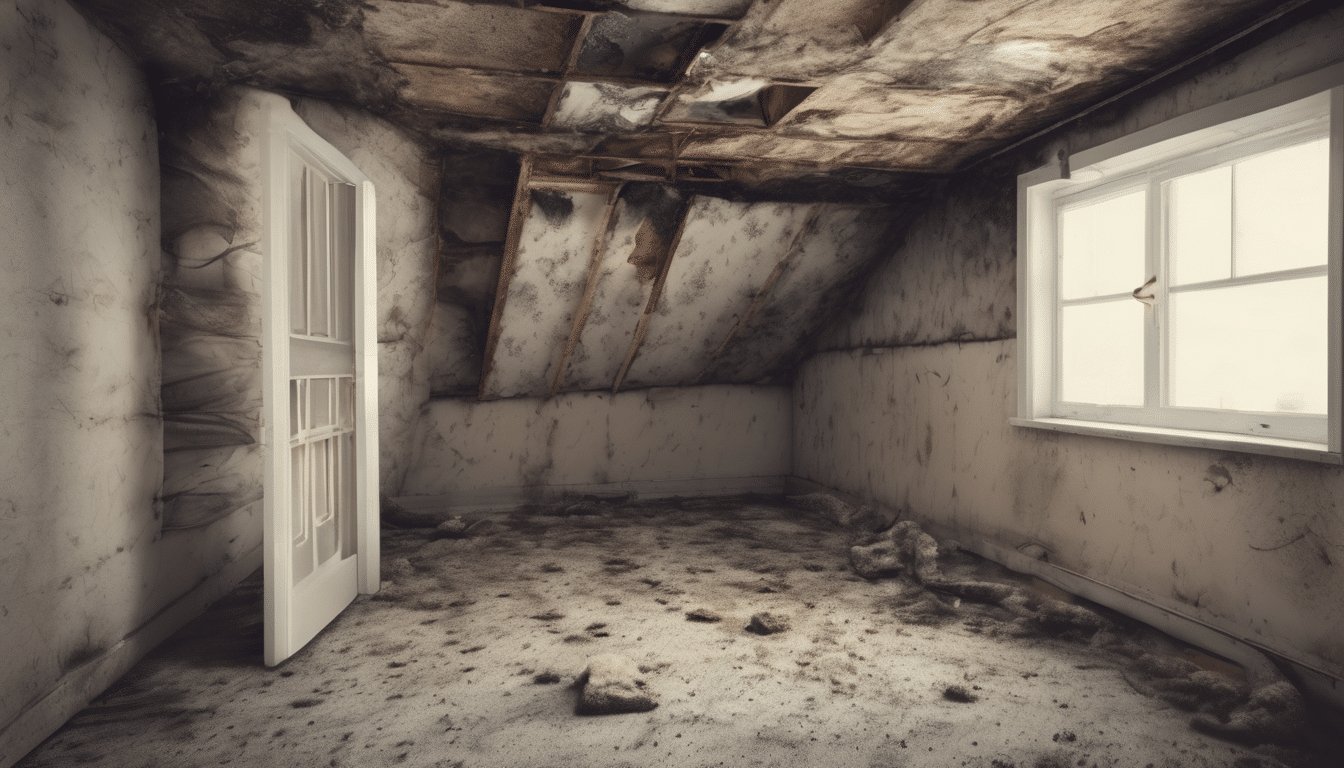
Understanding the implications of buying a house with mold in the crawl space is essential. Buying a home can be one of life’s most significant investments. When faced with the discovery of mold in the crawl space, many homeowners hesitate and wonder if it’s wise to proceed. This guide aims to provide you with a thorough understanding of what to consider before making such an important decision.
Table of Contents
- Understanding Why Mold Grows in the Crawl Space
- Indicators of Hidden Mold in the Crawl Space
- Consequences of Failing to Address Mold
- Should I Fix the Mold Before Buying?
- Cost and Rehabilitation Considerations
- Health Risks Associated with Mold Exposure
- What to Do If You Decide to Buy
- Expert Tips for Homebuyers
- Frequently Asked Questions (FAQs)
- Conclusion
Understanding Why Mold Grows in the Crawl Space
Mold thrives in environments with high humidity and poor ventilation. In the crawl space, the lack of natural light and airflow can create a perfect breeding ground for these microorganisms. Factors contributing to mold growth include:
- Moisture from water leaks or flooding
- Inadequate drainage around the foundation
- Poor insulation leading to condensation
- Lack of vapor barriers allowing moisture intrusion
- Natural capillary action drawing moisture through concrete slabs
Understanding these factors is crucial for comprehending why mold can grow and how it might spread.
Indicators of Hidden Mold in the Crawl Space
Mold isn’t always visible, especially when hidden behind walls or beneath floors. Here are signs to look for when inspecting the crawl space:
- Musty odors indicating microbial growth
- Visible stains or discoloration on surfaces
- Water damage from previous leaks or flooding
- Peeling paint, swelling wood, or deteriorating insulation
- Foul air quality affecting the overall home environment
These indicators suggest that hidden mold may be present and pose risks to your health and property.
Consequences of Failing to Address Mold
The consequences of ignoring or improperly addressing mold issues can be severe:
- Health risks for occupants, including respiratory issues and allergies
- Economic losses from structural damage requiring extensive repairs
- Decreased property value due to perceived health hazards
- Increased maintenance costs and potential mold resurgence
- Legal implications related to health and safety violations
Failing to address these issues can lead to ongoing problems that overshadow the initial purchase price.
Should I Fix the Mold Before Buying?
The decision to fix mold before purchasing depends on several factors:
- Extent of contamination and potential spread
- Health concerns for you and your family
- Budget constraints and financial resources for repairs
- Expert assessment of full remediation success likelihood
- Potential impact on property value and resale
Consulting with a professional indoor environmental scientist can provide valuable insights into whether immediate action is necessary or if a more detailed investigation is required.
Cost and Rehabilitation Considerations
The cost of remediation varies based on several factors:
- Extent of mold contamination
- Type of materials affected (wood, insulation, etc.)
- Nature of the underlying moisture source
- Complexity of layout and access points
- Regulatory requirements for remediation in your area
A thorough evaluation by a qualified professional can help estimate costs accurately, allowing you to make an informed decision about whether it’s feasible or worth the investment.
Health Risks Associated with Mold Exposure
Mold exposure can have serious health implications for occupants:
- Respiratory issues such as asthma, allergies, and sinusitis
- Cognitive impairment and mood disorders due to mold mycotoxins
- Infections in immunocompromised individuals
- Mold-related skin irritations and dermatitis
- Long-term neurological effects from prolonged exposure
Evaluating the health risks is essential, especially if you or family members have pre-existing conditions that could be exacerbated by mold.
What to Do If You Decide to Buy
If after careful consideration and expert advice, you decide to purchase the home despite visible mold, here are steps to take:
- Ensure comprehensive investigation by an indoor environmental scientist
- Address underlying moisture sources through proper drainage and sealing
- Implement long-term ventilation solutions like dehumidifiers
- Develop a detailed remediation plan with clear timelines
- Establish regular monitoring to track progress and maintain health
These steps will help mitigate risks and ensure a healthier living environment.
Expert Tips for Homebuyers
To make the best decision, follow these expert tips:
- Hire an independent indoor environmental consultant for thorough assessment
- Request a detailed report outlining contamination extent and remediation options
- Ask about past mold issues in the neighborhood or surrounding properties
- Inquire about the seller’s maintenance history, particularly regarding moisture intrusion
- Evaluate the home’s construction quality and potential vulnerabilities for future mold growth
These tips will help you navigate complex issues and make an informed decision.
Frequently Asked Questions (FAQs)
Q: Is it safe to live in a house with mold? A: Mold can pose significant health risks, particularly for individuals with allergies or respiratory conditions. It’s essential to address the issue promptly.
Q: Can I get rid of all the mold myself? A: Complete remediation often requires professional expertise due to its complexity and potential health hazards. DIY methods may not fully eliminate the problem.
Q: How much does it cost to remediate mold? A: The cost varies widely based on contamination extent, materials affected, and local labor rates. A detailed evaluation is necessary for accurate pricing.
Q: What are common causes of mold growth? A: Mold typically grows due to excess moisture from water leaks, poor drainage, or inadequate ventilation. Understanding these causes helps prevent future issues.
Q: How can I protect my family’s health if buying a home with visible mold? A: Ensure proper ventilation, use air purifiers, and maintain regular cleaning practices to minimize exposure and reduce health risks.
Conclusion
Buying a house with mold in the crawl space is a complex decision that requires careful consideration. By understanding the causes of mold growth, recognizing hidden indicators, assessing potential health impacts, and weighing rehabilitation costs against long-term benefits, you can make an informed choice. Expert guidance through comprehensive investigations and professional assessments will help mitigate risks and ensure a healthier living environment for your family.
When dealing with potential mold problems in the crawl space, always prioritize thorough inspection and professional remediation to protect your investment and your family’s health.