
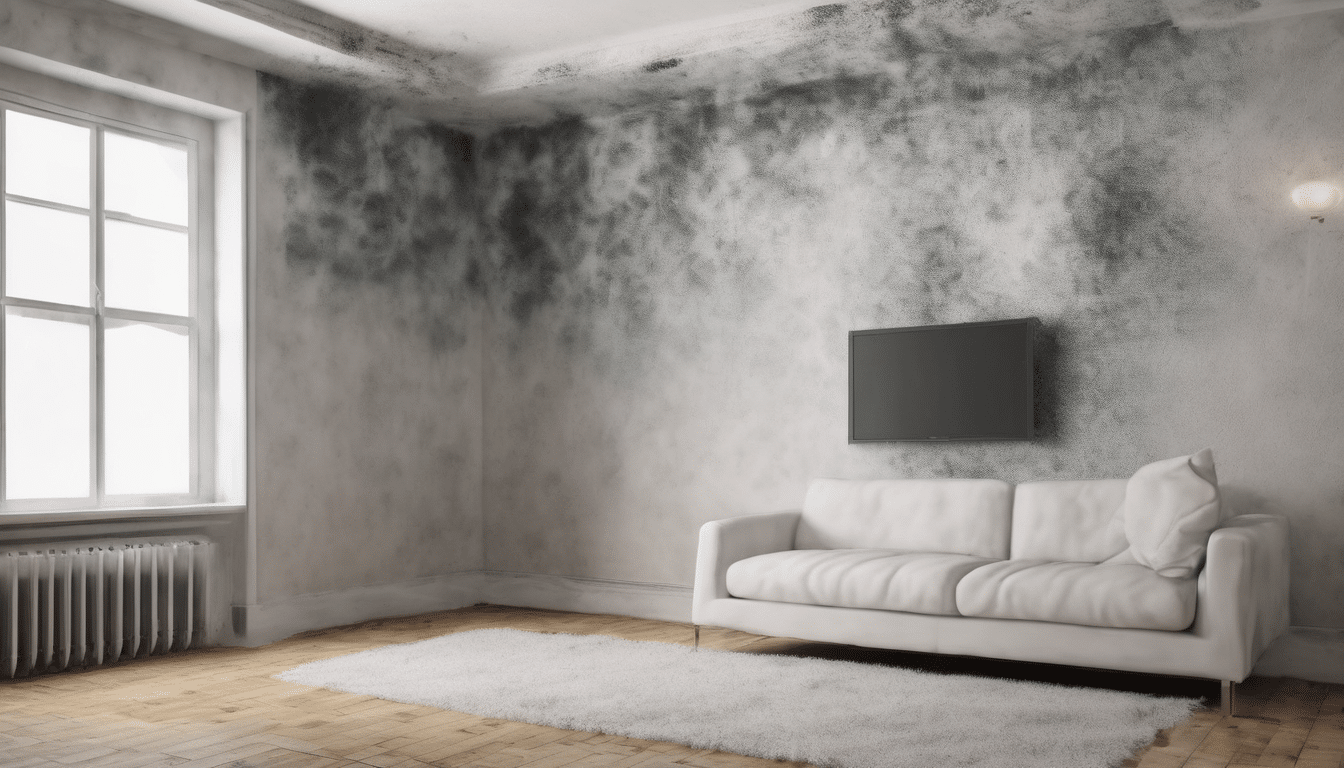
Introduction to Mold Testing Methods for Wall Cavities in Apartments
Understanding Mold Testing Methods For Wall Cavities In Apartments is essential. When it comes to indoor environmental health, the walls of your apartment may hold more secrets than meets the eye. Hidden mold growth within wall cavities can pose significant risks to both occupants and property integrity. This article will delve into effective testing methods that can help you identify these hidden threats.
Mold Testing Methods For Wall Cavities In Apartments – Understanding the Causes of Hidden Mold Growth in Walls
Hidden mold growth within wall cavities often results from moisture issues, poor ventilation, and inadequate building envelope design. In Dubai’s climate, high humidity levels and air conditioning can lead to condensation and water accumulation behind walls, creating ideal conditions for mold proliferation.
Moisture Issues
Leaky pipes, inadequate drainage systems, or even minor plumbing leaks can cause water to seep into wall cavities over time. This moisture provides the necessary environment for mold spores to germinate and grow undetected.
Poor Ventilation
Inadequate airflow within walls can trap moisture, leading to condensation and subsequent mold growth. Poorly designed HVAC systems or sealed building envelopes can exacerbate these issues, making it difficult for air to circulate freely.
Mold Testing Methods For Wall Cavities In Apartments – Conventional Methods for Testing Wall Cavities
Traditional methods for detecting hidden mold in wall cavities include visual inspections and moisture testing. However, these approaches often fall short due to the limitations of what can be seen or measured from the surface.
Visual Inspection
Visually inspecting walls may reveal visible signs of damage but fails to detect hidden mold behind surfaces. It is a limited method that provides only indirect evidence of potential issues.
Moisture Testing
Moisture meters can identify wet areas, which might indicate moisture intrusion or condensation. However, they do not confirm the presence of active mold growth, as this requires microbiological analysis. This relates directly to Mold Testing Methods For Wall Cavities In Apartments.
Advanced Techniques for Mold Testing in Wall Cavities
For a more thorough and reliable assessment, advanced techniques are essential. These methods can provide direct evidence of mold presence and help pinpoint the extent of contamination.
Thermal Imaging
Thermal imaging cameras can detect temperature differences in walls, indicating areas where moisture may be present. This technique is particularly useful for identifying hidden hotspots that could harbor mold growth.
Borescopes
Borescope inspections allow direct visual examination of wall cavities without invasive procedures. These flexible cameras can be inserted through small openings to inspect inaccessible areas and provide clear images for analysis.
Air Sampling and Spore Trapping
Air sampling devices can capture airborne spores, which can then be analyzed in a laboratory to determine if mold is present. This method provides direct evidence of active mold growth within the walls.
Practical Applications of Mold Testing Methods
Implementing these advanced techniques offers practical solutions for detecting hidden mold in wall cavities, ensuring that remediation efforts are targeted and effective. Here’s how they can be applied:
Detecting Hidden Mold Early-On
Regularly using thermal imaging and air sampling can help catch early signs of mold growth before it becomes a serious issue, allowing for timely intervention. When considering Mold Testing Methods For Wall Cavities In Apartments, this becomes clear.
Targeted Mold Removal
With precise identification of affected areas through borescope inspections and laboratory analysis, targeted remediation efforts can be more efficient and cost-effective.
Expert Tips on Mold Testing for Apartments
To ensure accurate and reliable mold testing results, follow these expert tips:
- Combine multiple techniques: Use a combination of thermal imaging, air sampling, and borescopes to get the most comprehensive assessment.
- Engage professional services: Hire experienced indoor environmental consultants who can interpret results accurately.
- Document findings: Maintain detailed records of testing procedures and results for future reference and accountability.
Frequently Asked Questions About Mold Testing in Walls
- How often should I test for hidden mold?
- Can DIY methods be trusted?
- How long does it take to get test results?
Regular testing is recommended, especially after major renovations or during seasons with high humidity.
No, professional-grade equipment and expertise are necessary to accurately detect hidden mold. DIY methods often miss critical details.
Laboratory analysis can provide results within a few days, but this may vary depending on the complexity of the case and laboratory workload.
Conclusion on Effective Mold Testing Methods for Wall Cavities
Effective mold testing methods are crucial for detecting hidden contamination in wall cavities. By combining advanced techniques like thermal imaging, air sampling, and borescopes, you can ensure a comprehensive assessment that guides targeted remediation efforts. The importance of Mold Testing Methods For Wall Cavities In Apartments is evident here.
Understanding the causes of hidden mold growth and applying these practical solutions will help protect both your health and property. Engage professional services to leverage scientific methods and ensure accurate results. Understanding Mold Testing Methods For Wall Cavities In Apartments is key to success in this area.