
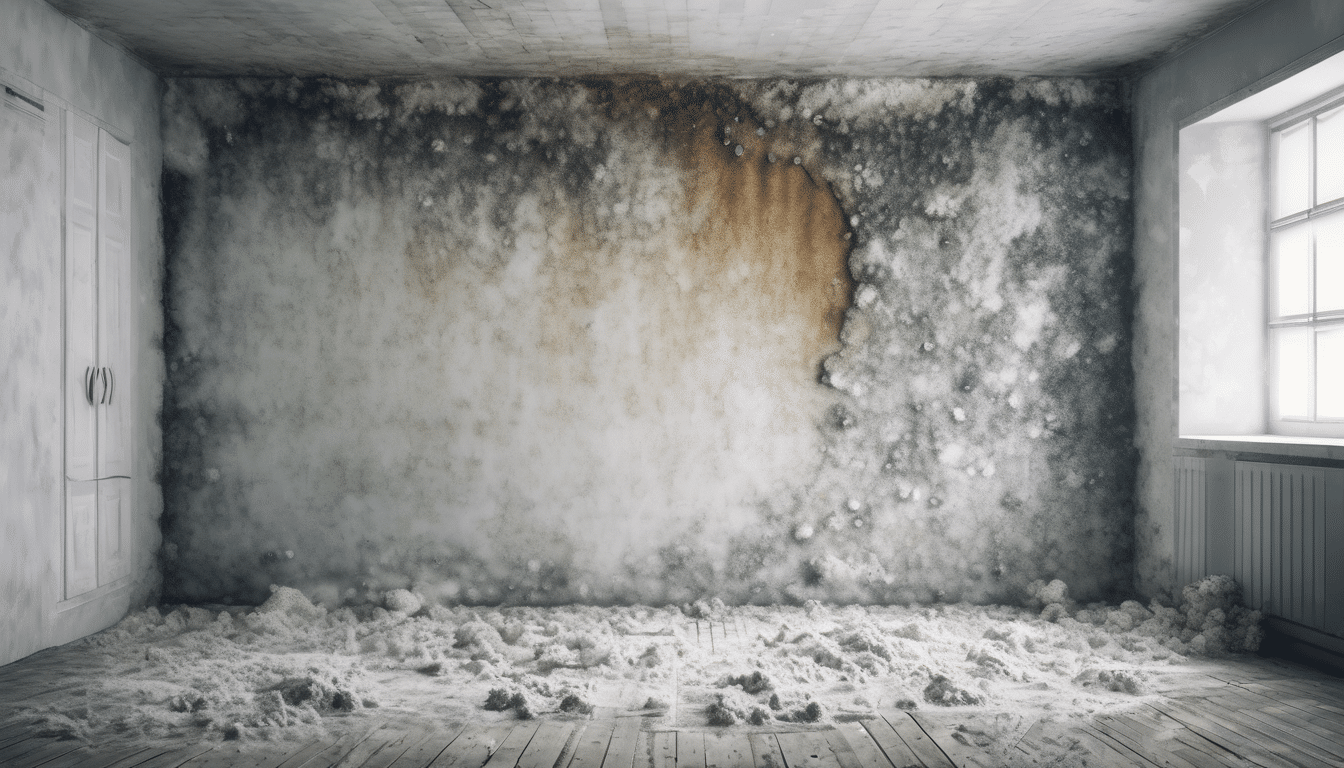
Understanding Mold Remediation: What It Is, Costs, And Timeframes is essential. —
In this comprehensive guide, we explore what mold remediation entails, the typical costs, and the timeframes required for effective removal. You’ll learn why it’s crucial to address mold issues promptly.
—
—
Mold Remediation: What It Is, Costs, And Timeframes: What Is Mold Remediation?
Mold remediation is the process of identifying, containing, and removing mold from indoor environments. It involves a thorough assessment to determine the extent of contamination and implementing strategies to ensure complete removal while minimizing health risks. Understanding what mold remediation entails is crucial for homeowners and property managers in Dubai.
Scope and Involvement
Mold remediation typically includes:
– Visual inspection: Identifying visible signs of mold growth.
– Microbiological testing: Confirming the presence and type of mold through laboratory analysis.
– Containment setup: Creating a controlled environment to prevent cross-contamination during removal.
– Removal techniques: Using appropriate methods based on contamination extent, material types, and surface areas.
—
Mold Remediation: What It Is, Costs, And Timeframes: Costs of Mold Remediation
The cost of mold remediation can vary significantly depending on several factors. Here’s a breakdown:
| Factors Affecting Costs | Potential Cost Range (AED) |
|---|---|
| Type and extent of contamination | AED 2,000 – 15,000 for minor to moderate cases |
| Complexity of the building structure | AED 3,000 – 20,000 or more for complex structures |
| Presence of hidden mold growth | AED 5,000 – 18,000 for advanced cases involving hidden areas |
| Remediation scope and methods | AED 4,000 – 25,000 or more based on specific procedures required |
—
Mold Remediation: What It Is, Costs, And Timeframes – Factors Affecting Costs and Timeframes
Several factors influence the cost and time required for mold remediation. Understanding these can help manage expectations.
– Building Age and Condition: Older buildings may require more extensive repairs, increasing both costs and time.
– Water Damage Severity: Severe water damage necessitates additional structural work, which extends timelines.
– Contamination Extent: More widespread contamination requires larger crews and longer durations.
—
How Long Does It Take?
The duration of mold remediation varies based on the extent of contamination and the complexity of the job. Here’s a general timeline:
– Initial Assessment: 1 to 3 days
– Containment Setup: 1 to 3 days
– Mold Removal: 2 to 5 days, depending on extent and materials involved
– Post-Treatment Drying and Decontamination: 3 to 7 days
—
Mold Remediation Process
The process of mold remediation involves several critical steps:
1. Initial Assessment: A thorough inspection is conducted to identify the source and extent of contamination.
2. Containment Setup: To prevent further spread, areas are sealed off using negative pressure systems.
3. Mold Removal: Professional techniques such as wet vacuuming, scraping, and encapsulation are used based on the type and location of mold.
4. Drying and Decontamination: Post-remediation drying is crucial to prevent regrowth.
—
Examples of Mold Remediation Cases
– Case 1: High-Rise Apartment Complex
– Description: A high-rise apartment complex experienced recurring mold issues due to water leakage. The remediation involved multiple units across several floors.
– Duration: 3 weeks, including containment and drying.
– Case 2: Luxury Villa in Ajman
– Description: A luxury villa had hidden mold behind walls and under flooring. Advanced detection methods were required.
– Duration: 4 weeks, with specialized techniques for sensitive environments.
—
Tips for Effective Mold Remediation
To ensure effective and efficient mold remediation:
1. Choose a Professional: Select a reputable company with experience in indoor environmental health.
2. Understand the Process: Know what steps are involved to avoid surprises during the process.
3. Follow Recommendations: Adhere to professionals’ advice regarding containment and drying.
—
Frequently Asked Questions (FAQs)
1. Q: What is the most common cause of mold growth in Dubai homes?
– A: High humidity levels and air conditioning systems are often the primary culprits.
2. Q: Can DIY remediation be effective?
– A: It’s generally not recommended due to health risks and potential incomplete removal.
3. Q: How can I prevent mold recurrence after remediation?
– A: Regular maintenance, addressing water issues, and proper ventilation are key.
—
Conclusion
Mold remediation is a critical process that requires professional expertise to ensure thorough and safe removal. Understanding the factors affecting costs and timeframes helps manage expectations and outcomes effectively. By choosing the right professionals and following best practices, homeowners can protect their health and property.
—
