
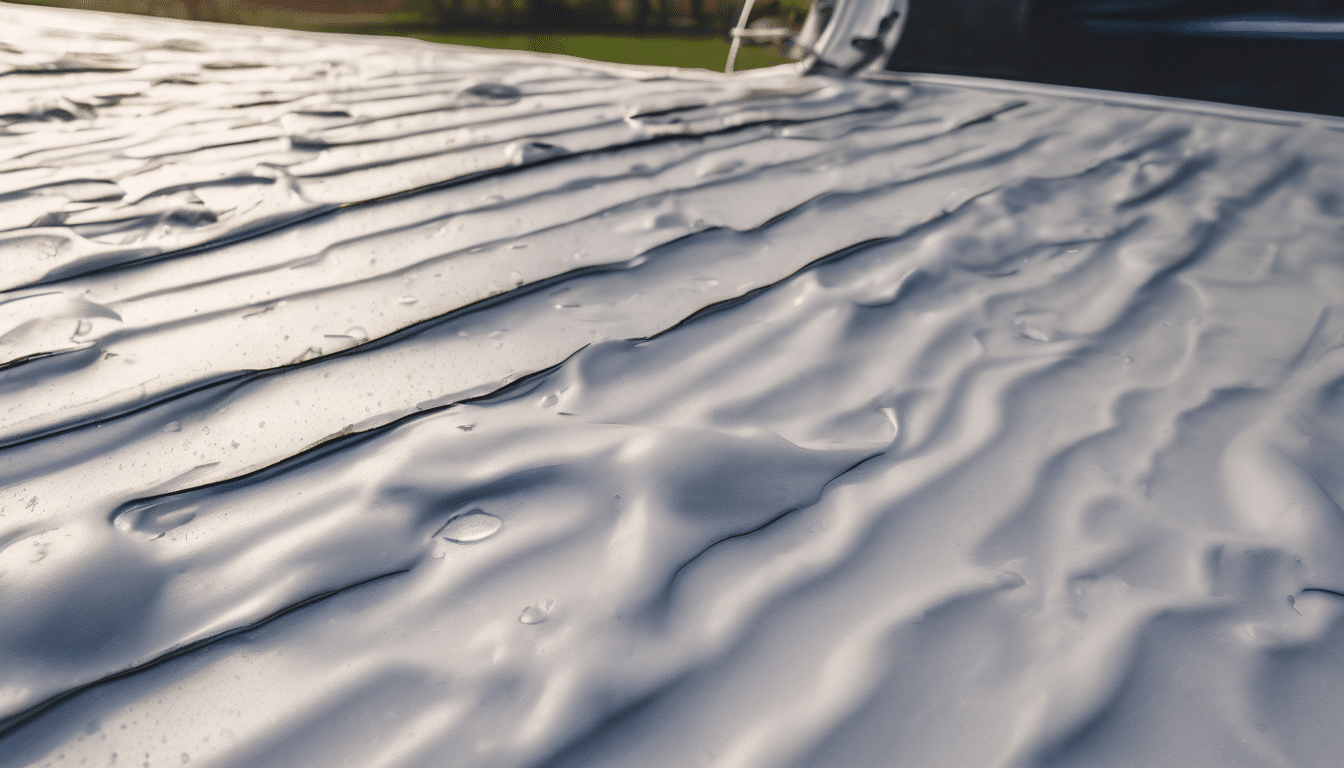
<h2 id="understanding-moisture-dynamics-rv-roof-leaks”>Understanding the Moisture Dynamics Behind Rv Roof Leaks – Understanding Moisture Dynamics Behind RV Roof Leaks
Understanding Understanding The Moisture Dynamics Behind Rv Roof Leaks is essential. Moisture dynamics play a crucial role in the development of roof leaks in recreational vehicles. Understanding these moisture dynamics is essential for preventing and addressing water damage, including potential mold growth.
Understanding The Moisture Dynamics Behind Rv Roof Leaks – Causes of Moisture Dynamics in RV Roofs
The primary causes of moisture dynamics leading to roof leaks include poor installation, material degradation over time, and environmental factors such as high humidity. Additionally, the air conditioning system’s condensation can contribute significantly to these dynamics. This relates directly to Understanding The Moisture Dynamics Behind Rv Roof Leaks.
Poor Installation and Material Degradation
During construction or maintenance, improper installation techniques can create gaps where water can seep in. Over time, materials such as roofing membranes, sealants, and flashing may degrade due to exposure to sunlight, temperature fluctuations, and UV radiation.
Understanding The Moisture Dynamics Behind Rv Roof Leaks – Environmental Factors Contributing to Moisture Dynamics
High humidity levels in the environment can exacerbate moisture issues. Additionally, changes in temperature and pressure can affect how water vapor behaves within the RV’s structure.
High Humidity in the Environment
The UAE climate is particularly challenging for RVs due to its high humidity levels. This condition creates an environment where moisture can easily accumulate and find weak points in the roof assembly.
Preventing Moisture Dynamics from Leading to Roof Leaks
To prevent moisture dynamics from causing roof leaks, several measures should be taken:
Proper Installation and Maintenance
Ensure that the RV is properly installed with all components sealed correctly. Regular maintenance checks can help identify and address any issues before they lead to significant damage.
Mitigating Moisture Dynamics after a Leak Occurs
If you have experienced a roof leak, it’s important to mitigate moisture dynamics quickly to prevent further damage:
Immediate Action After a Leak
Inspect the area where the water entered and assess any visible signs of water damage. Use fans and dehumidifiers to remove excess moisture from the interior. When considering Understanding The Moisture Dynamics Behind Rv Roof Leaks, this becomes clear.
The Connection Between Moisture Dynamics and Mold Growth in RVs
Mold thrives in environments with high levels of moisture, which is why understanding moisture dynamics is critical for preventing mold growth:
Mold Growth in RVS
When water damage occurs and is not addressed promptly, it can create conditions ideal for mold growth. Mold spores can spread quickly through the air or along surfaces, posing health risks to occupants.
Professional Remediation Strategies for RV Roof Leaks
To ensure effective remediation of roof leaks, consider these professional strategies:
Diagnostic Evaluation
A thorough diagnostic evaluation can identify the root cause of the leak. This includes checking the integrity of all roofing components and identifying any hidden damage.
Practical Tips for RV Owners to Prevent Moisture Dynamics
Here are some practical tips to help you prevent moisture dynamics from leading to roof leaks:
- Inspect Regularly: Check the exterior of your RV for signs of water damage or wear.
- Seal Gaps: Seal any gaps in the roof, such as around vents and skylights, with appropriate sealants.
- Dehumidify: Use dehumidifiers to reduce humidity levels inside your RV during humid weather conditions.
- Maintain HVAC Systems: Ensure that your air conditioning system is functioning properly to minimize condensation.
Frequently Asked Questions (FAQs)
Here are some common questions related to moisture dynamics and roof leaks in RVs:
- Q: How can I tell if my RV has a hidden leak?
- A: Look for signs of water damage inside the vehicle, such as mold growth or damp spots. Regular inspections can help catch issues early.
- Q: What should I do if I find a leak in my RV roof?
- A: Address the issue immediately by identifying and fixing the source of the leak. Use fans and dehumidifiers to mitigate moisture damage inside the vehicle.
Conclusion
In conclusion, understanding the moisture dynamics behind RV roof leaks is essential for preventing water damage and mold growth. By addressing potential issues promptly through regular maintenance and professional intervention when necessary, you can ensure that your recreational vehicle remains watertight and safe for use.