
—
Introduction
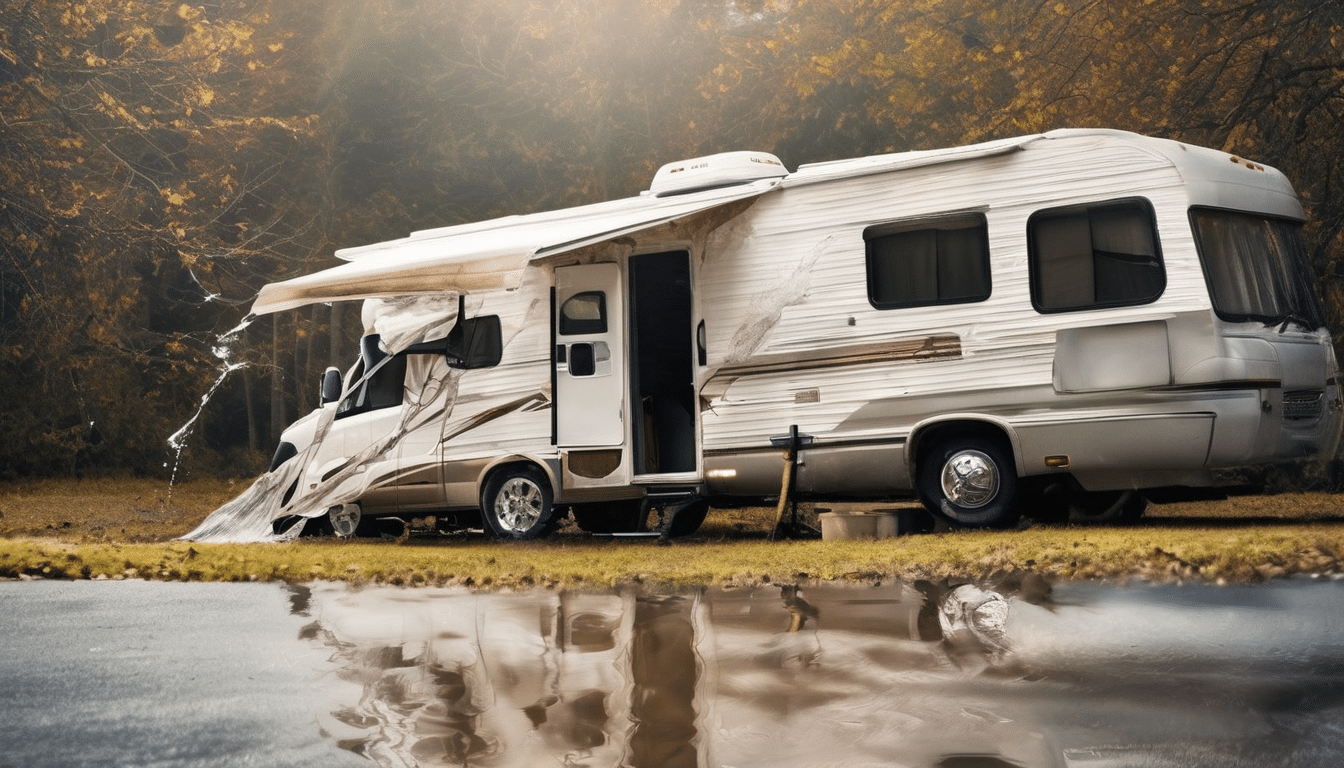
Can water damage from a leaking RV roof lead to mold? This is a critical question for anyone who owns or frequently uses an RV. Moisture and poor ventilation can create the perfect conditions for mold growth, potentially leading to health issues and structural damage over time. This comprehensive guide will explore the connection between water damage and mold in RVs, offering actionable insights into prevention and remediation.
—
Can Water Damage From A Leaking Rv Roof Lead To Mold – Understanding the Connection Between Water Damage and Mold G
Water damage from a leaking roof can create an environment conducive to mold growth. When moisture enters the interior of your RV, it provides the necessary conditions for mold spores to thrive. Mold requires three key elements: moisture, nutrients (typically organic materials like wood, paper, or fabric), and a temperature range that allows them to grow. In RVs, these conditions are often present due to poor insulation, ventilation issues, and the warm climate typical of many regions where RVs are used. Understanding Can Water Damage From A Leaking Rv Roof Lead To Mold helps with this aspect.
—
Can Water Damage From A Leaking Rv Roof Lead To Mold – Analysis of RV Roof Leakage
Leaking roofs in RVs can occur for various reasons. Common causes include:
- Wear and tear on the roof material over time
- Damage from storms or hail
- Cracks or gaps in the sealant around vents, skylights, or other openings
- Aging or failing flashing systems that secure roofing materials to walls
To identify and address roof leakage, it is essential to perform a thorough inspection. This may involve checking:
- Sealant around vents and skylights for cracks or gaps
- Fasteners securing the roof material for any signs of loosening or corrosion
- Flashing systems for integrity and proper sealing
—
Can Water Damage From A Leaking Rv Roof Lead To Mold – Mold Growth Environment in RVs
The environment inside an RV can be conducive to mold growth due to several factors:
- High humidity levels: RVs are often parked outdoors, exposed to moisture from rain or dew.
- Poor ventilation: Limited air circulation within the vehicle traps moisture and creates stagnant conditions.
- Circulating air systems: RVs with HVAC units can distribute moisture throughout the interior if not properly maintained.
Mold spores are ubiquitous in outdoor environments. Once they enter an RV through leaks or poor ventilation, they can settle on surfaces and begin to grow under favorable conditions. The warm temperatures inside RVs during storage and use provide a perfect environment for these spores to proliferate. Can Water Damage From A Leaking Rv Roof Lead To Mold factors into this consideration.
—
Preventive Maintenance Strategies to Avoid Mold
To prevent mold growth, it is crucial to implement several maintenance strategies:
- Regular Inspections: Conduct a thorough inspection of the roof and seals at least once a year.
- Promote Proper Ventilation: Ensure that all vents are unobstructed and that fans or dehumidifiers are used to reduce moisture levels.
- Keep Interior Dry: Use silica gel packets or desiccants in storage areas to absorb excess moisture. Avoid storing items directly on the floor where they can absorb water.
- Clean Regularly: Regular cleaning, especially of moisture-prone areas like bathrooms and kitchens, can prevent mold from establishing itself.
—
Repair and Maintenance of Your RV Roof
When it comes to repairing a leaking roof, the following steps should be taken:
- Identify the source of leakage: Use moisture mapping techniques or thermal imaging to pinpoint the exact location of the leak.
- Replace damaged materials: If there are cracks in the roof, replace the affected sections. Ensure proper sealing with new sealant and flashings.
- Upgrade flashing systems: Consider replacing old flashing with more durable options to prevent future leaks.
- Checking seals and fasteners annually for any signs of wear or damage.
- Inspecting the roof for any visible signs of leakage, especially after heavy rain or storms.
- Regularly Inspect the Roof: Perform a thorough inspection at least once a year, or more frequently if you live in an area prone to heavy rains.
- Use Dehumidifiers: Incorporate dehumidifiers into your storage routine to maintain low humidity levels inside the RV.
- Clean Regularly: Keep all areas of your RV clean, especially those prone to moisture buildup like bathrooms and kitchens.
- Can mold grow in an RV even if it is not used frequently?
- Yes, mold can still grow due to moisture accumulation from humidity or condensation. Regular inspections and proper maintenance are crucial.
- What should I do if I notice mold growth inside my RV?
- If you spot any signs of mold, it is important to address the issue immediately by identifying the source of moisture and treating the affected areas with a suitable mold remediation process.
- Can mold affect my health in an RV?
- Mold can produce allergens and irritants that may cause respiratory issues or exacerbate existing conditions like asthma. It is important to address any mold problems promptly for your health and comfort.
- Wear and tear on the roof material over time
- Damage from storms or hail
- Cracks or gaps in the sealant around vents, skylights, or other openings
- Aging or failing flashing systems that secure roofing materials to walls
- Sealant around vents and skylights for cracks or gaps
- Fasteners securing the roof material for any signs of loosening or corrosion
- Flashing systems for integrity and proper sealing
- High humidity levels: RVs are often parked outdoors, exposed to moisture from rain or dew.
- Poor ventilation: Limited air circulation within the vehicle traps moisture and creates stagnant conditions.
- Circulating air systems: RVs with HVAC units can distribute moisture throughout the interior if not properly maintained.
- Regular Inspections: Conduct a thorough inspection of the roof and seals at least once a year.
- Promote Proper Ventilation: Ensure that all vents are unobstructed and that fans or dehumidifiers are used to reduce moisture levels.
- Keep Interior Dry: Use silica gel packets or desiccants in storage areas to absorb excess moisture. Avoid storing items directly on the floor where they can absorb water.
- Clean Regularly: Regular cleaning, especially of moisture-prone areas like bathrooms and kitchens, can prevent mold from establishing itself.
- Identify the source of leakage: Use moisture mapping techniques or thermal imaging to pinpoint the exact location of the leak.
- Replace damaged materials: If there are cracks in the roof, replace the affected sections. Ensure proper sealing with new sealant and flashings.
- Upgrade flashing systems: Consider replacing old flashing with more durable options to prevent future leaks.
- Checking seals and fasteners annually for any signs of wear or damage.
- Inspecting the roof for any visible signs of leakage, especially after heavy rain or storms.
- Regularly Inspect the Roof: Perform a thorough inspection at least once a year, or more frequently if you live in an area prone to heavy rains.
- Use Dehumidifiers: Incorporate dehumidifiers into your storage routine to maintain low humidity levels inside the RV.
- Clean Regularly: Keep all areas of your RV clean, especially those prone to moisture buildup like bathrooms and kitchens.
- Can mold grow in an RV even if it is not used frequently?
- Yes, mold can still grow due to moisture accumulation from humidity or condensation. Regular inspections and proper maintenance are crucial.
- What should I do if I notice mold growth inside my RV?
- If you spot any signs of mold, it is important to address the issue immediately by identifying the source of moisture and treating the affected areas with a suitable mold remediation process.
- Can mold affect my health in an RV?
- Mold can produce allergens and irritants that may cause respiratory issues or exacerbate existing conditions like asthma. It is important to address any mold problems promptly for your health and comfort.
- Wear and tear on the roof material over time
- Damage from storms or hail
- Cracks or gaps in the sealant around vents, skylights, or other openings
- Aging or failing flashing systems that secure roofing materials to walls
- Sealant around vents and skylights for cracks or gaps
- Fasteners securing the roof material for any signs of loosening or corrosion
- Flashing systems for integrity and proper sealing
- High humidity levels: RVs are often parked outdoors, exposed to moisture from rain or dew.
- Poor ventilation: Limited air circulation within the vehicle traps moisture and creates stagnant conditions.
- Circulating air systems: RVs with HVAC units can distribute moisture throughout the interior if not properly maintained.
- Regular Inspections: Conduct a thorough inspection of the roof and seals at least once a year.
- Promote Proper Ventilation: Ensure that all vents are unobstructed and that fans or dehumidifiers are used to reduce moisture levels.
- Keep Interior Dry: Use silica gel packets or desiccants in storage areas to absorb excess moisture. Avoid storing items directly on the floor where they can absorb water.
- Clean Regularly: Regular cleaning, especially of moisture-prone areas like bathrooms and kitchens, can prevent mold from establishing itself.
- Identify the source of leakage: Use moisture mapping techniques or thermal imaging to pinpoint the exact location of the leak.
- Replace damaged materials: If there are cracks in the roof, replace the affected sections. Ensure proper sealing with new sealant and flashings.
- Upgrade flashing systems: Consider replacing old flashing with more durable options to prevent future leaks.
- Checking seals and fasteners annually for any signs of wear or damage.
- Inspecting the roof for any visible signs of leakage, especially after heavy rain or storms.
- Regularly Inspect the Roof: Perform a thorough inspection at least once a year, or more frequently if you live in an area prone to heavy rains.
- Use Dehumidifiers: Incorporate dehumidifiers into your storage routine to maintain low humidity levels inside the RV.
- Clean Regularly: Keep all areas of your RV clean, especially those prone to moisture buildup like bathrooms and kitchens.
- Can mold grow in an RV even if it is not used frequently?
- Yes, mold can still grow due to moisture accumulation from humidity or condensation. Regular inspections and proper maintenance are crucial.
- What should I do if I notice mold growth inside my RV?
- If you spot any signs of mold, it is important to address the issue immediately by identifying the source of moisture and treating the affected areas with a suitable mold remediation process.
- Can mold affect my health in an RV?
- Mold can produce allergens and irritants that may cause respiratory issues or exacerbate existing conditions like asthma. It is important to address any mold problems promptly for your health and comfort.
- Wear and tear on the roof material over time
- Damage from storms or hail
- Cracks or gaps in the sealant around vents, skylights, or other openings
- Aging or failing flashing systems that secure roofing materials to walls
- Sealant around vents and skylights for cracks or gaps
- Fasteners securing the roof material for any signs of loosening or corrosion
- Flashing systems for integrity and proper sealing
- High humidity levels: RVs are often parked outdoors, exposed to moisture from rain or dew.
- Poor ventilation: Limited air circulation within the vehicle traps moisture and creates stagnant conditions.
- Circulating air systems: RVs with HVAC units can distribute moisture throughout the interior if not properly maintained.
- Regular Inspections: Conduct a thorough inspection of the roof and seals at least once a year.
- Promote Proper Ventilation: Ensure that all vents are unobstructed and that fans or dehumidifiers are used to reduce moisture levels.
- Keep Interior Dry: Use silica gel packets or desiccants in storage areas to absorb excess moisture. Avoid storing items directly on the floor where they can absorb water.
- Clean Regularly: Regular cleaning, especially of moisture-prone areas like bathrooms and kitchens, can prevent mold from establishing itself.
- Identify the source of leakage: Use moisture mapping techniques or thermal imaging to pinpoint the exact location of the leak.
- Replace damaged materials: If there are cracks in the roof, replace the affected sections. Ensure proper sealing with new sealant and flashings.
- Upgrade flashing systems: Consider replacing old flashing with more durable options to prevent future leaks.
- Regularly Inspect the Roof: Perform a thorough inspection at least once a year, or more frequently if you live in an area prone to heavy rains.
- Use Dehumidifiers: Incorporate dehumidifiers into your storage routine to maintain low humidity levels inside the RV.
- Clean Regularly: Keep all areas of your RV clean, especially those prone to moisture buildup like bathrooms and kitchens.
- Can mold grow in an RV even if it is not used frequently?
- Yes, mold can still grow due to moisture accumulation from humidity or condensation. Regular inspections and proper maintenance are crucial.
- What should I do if I notice mold growth inside my RV?
- If you spot any signs of mold, it is important to address the issue immediately by identifying the source of moisture and treating the affected areas with a suitable mold remediation process.
- Can mold affect my health in an RV?
- Mold can produce allergens and irritants that may cause respiratory issues or exacerbate existing conditions like asthma. It is important to address any mold problems promptly for your health and comfort.
Regular maintenance can help identify potential issues before they become serious problems. This includes:
—
Conclusion
In conclusion, water damage from a leaking RV roof can indeed lead to mold growth if left unchecked. Proper maintenance and timely repairs are essential in preventing this issue. By understanding the conditions that promote mold growth and taking proactive steps, you can protect your RV’s interior and ensure a healthier environment for its occupants. The importance of Can Water Damage From A Leaking Rv Roof Lead To Mold is evident here.
—
Expert Tips for Long-Term Mold Prevention
Here are some expert tips to help prevent mold growth in your RV:
—
Frequently Asked Questions (FAQs)
This relates directly to Can Water Damage From A Leaking Rv Roof Lead To Mold.
This relates directly to Can Water Damage From A Leaking Rv Roof Lead To Mold.
—
Conclusion: Protecting Your RV from Mold
By understanding the connection between water damage and mold growth, you can take proactive steps to prevent this issue in your RV. Regular maintenance, proper cleaning, and addressing any leaks promptly are essential for maintaining a healthy environment inside your vehicle. When considering Can Water Damage From A Leaking Rv Roof Lead To Mold, this becomes clear.
—
Introduction
Can water damage from a leaking RV roof lead to mold? This is a critical question for anyone who owns or frequently uses an RV. Moisture and poor ventilation can create the perfect conditions for mold growth, potentially leading to health issues and structural damage over time. This comprehensive guide will explore the connection between water damage and mold in RVs, offering actionable insights into prevention and remediation.
—
Understanding the Connection Between Water Damage and Mold Growth
Water damage from a leaking roof can create an environment conducive to mold growth. When moisture enters the interior of your RV, it provides the necessary conditions for mold spores to thrive. Mold requires three key elements: moisture, nutrients (typically organic materials like wood, paper, or fabric), and a temperature range that allows them to grow. In RVs, these conditions are often present due to poor insulation, ventilation issues, and the warm climate typical of many regions where RVs are used.
—
Analysis of RV Roof Leakage
Leaking roofs in RVs can occur for various reasons. Common causes include:
To identify and address roof leakage, it is essential to perform a thorough inspection. This may involve checking:
—
Mold Growth Environment in RVs
The environment inside an RV can be conducive to mold growth due to several factors:
Mold spores are ubiquitous in outdoor environments. Once they enter an RV through leaks or poor ventilation, they can settle on surfaces and begin to grow under favorable conditions. The warm temperatures inside RVs during storage and use provide a perfect environment for these spores to proliferate.
—
Preventive Maintenance Strategies to Avoid Mold
To prevent mold growth, it is crucial to implement several maintenance strategies:
—
Repair and Maintenance of Your RV Roof
When it comes to repairing a leaking roof, the following steps should be taken:
Regular maintenance can help identify potential issues before they become serious problems. This includes:
—
Conclusion
In conclusion, water damage from a leaking RV roof can indeed lead to mold growth if left unchecked. Proper maintenance and timely repairs are essential in preventing this issue. By understanding the conditions that promote mold growth and taking proactive steps, you can protect your RV’s interior and ensure a healthier environment for its occupants.
—
Expert Tips for Long-Term Mold Prevention
Here are some expert tips to help prevent mold growth in your RV:
—
Frequently Asked Questions (FAQs)
—
Conclusion: Protecting Your RV from Mold
By understanding the connection between water damage and mold growth, you can take proactive steps to prevent this issue in your RV. Regular maintenance, proper cleaning, and addressing any leaks promptly are essential for maintaining a healthy environment inside your vehicle.
—
Introduction
Can water damage from a leaking RV roof lead to mold? This is a critical question for anyone who owns or frequently uses an RV. Moisture and poor ventilation can create the perfect conditions for mold growth, potentially leading to health issues and structural damage over time. This comprehensive guide will explore the connection between water damage and mold in RVs, offering actionable insights into prevention and remediation.
—
Understanding the Connection Between Water Damage and Mold Growth
Water damage from a leaking roof can create an environment conducive to mold growth. When moisture enters the interior of your RV, it provides the necessary conditions for mold spores to thrive. Mold requires three key elements: moisture, nutrients (typically organic materials like wood, paper, or fabric), and a temperature range that allows them to grow. In RVs, these conditions are often present due to poor insulation, ventilation issues, and the warm climate typical of many regions where RVs are used.
—
Analysis of RV Roof Leakage
Leaking roofs in RVs can occur for various reasons. Common causes include:
To identify and address roof leakage, it is essential to perform a thorough inspection. This may involve checking:
—
Mold Growth Environment in RVs
The environment inside an RV can be conducive to mold growth due to several factors:
Mold spores are ubiquitous in outdoor environments. Once they enter an RV through leaks or poor ventilation, they can settle on surfaces and begin to grow under favorable conditions. The warm temperatures inside RVs during storage and use provide a perfect environment for these spores to proliferate.
—
Preventive Maintenance Strategies to Avoid Mold
To prevent mold growth, it is crucial to implement several maintenance strategies:
—
Repair and Maintenance of Your RV Roof
When it comes to repairing a leaking roof, the following steps should be taken:
Regular maintenance can help identify potential issues before they become serious problems. This includes:
—
Conclusion
In conclusion, water damage from a leaking RV roof can indeed lead to mold growth if left unchecked. Proper maintenance and timely repairs are essential in preventing this issue. By understanding the conditions that promote mold growth and taking proactive steps, you can protect your RV’s interior and ensure a healthier environment for its occupants.
—
Expert Tips for Long-Term Mold Prevention
Here are some expert tips to help prevent mold growth in your RV:
—
Frequently Asked Questions (FAQs)
—
Conclusion: Protecting Your RV from Mold
By understanding the connection between water damage and mold growth, you can take proactive steps to prevent this issue in your RV. Regular maintenance, proper cleaning, and addressing any leaks promptly are essential for maintaining a healthy environment inside your vehicle.
—
Introduction
Can water damage from a leaking RV roof lead to mold? This is a critical question for anyone who owns or frequently uses an RV. Moisture and poor ventilation can create the perfect conditions for mold growth, potentially leading to health issues and structural damage over time. This comprehensive guide will explore the connection between water damage and mold in RVs, offering actionable insights into prevention and remediation.
—
Understanding the Connection Between Water Damage and Mold Growth
Water damage from a leaking roof can create an environment conducive to mold growth. When moisture enters the interior of your RV, it provides the necessary conditions for mold spores to thrive. Mold requires three key elements: moisture, nutrients (typically organic materials like wood, paper, or fabric), and a temperature range that allows them to grow. In RVs, these conditions are often present due to poor insulation, ventilation issues, and the warm climate typical of many regions where RVs are used.
—
Analysis of RV Roof Leakage
Leaking roofs in RVs can occur for various reasons. Common causes include:
To identify and address roof leakage, it is essential to perform a thorough inspection. This may involve checking:
—
Mold Growth Environment in RVs
The environment inside an RV can be conducive to mold growth due to several factors:
Mold spores are ubiquitous in outdoor environments. Once they enter an RV through leaks or poor ventilation, they can settle on surfaces and begin to grow under favorable conditions. The warm temperatures inside RVs during storage and use provide a perfect environment for these spores to proliferate.
—
Preventive Maintenance Strategies to Avoid Mold
To prevent mold growth, it is crucial to implement several maintenance strategies:
—
Repair and Maintenance of Your RV Roof
When it comes to repairing a leaking roof, the following steps should be taken:
—
Conclusion
In conclusion, water damage from a leaking RV roof can indeed lead to mold growth if left unchecked. Proper maintenance and timely repairs are essential in preventing this issue. By understanding the conditions that promote mold growth and taking proactive steps, you can protect your RV’s interior and ensure a healthier environment for its occupants.
—
Expert Tips for Long-Term Mold Prevention
Here are some expert tips to help prevent mold growth in your RV:
—
Frequently Asked Questions (FAQs)
—
Conclusion: Protecting Your RV from Mold
By understanding the connection between water damage and mold growth, you can take proactive steps to prevent this issue in your RV. Regular maintenance, proper cleaning, and addressing any leaks promptly are essential for maintaining a healthy environment inside your vehicle.
—