
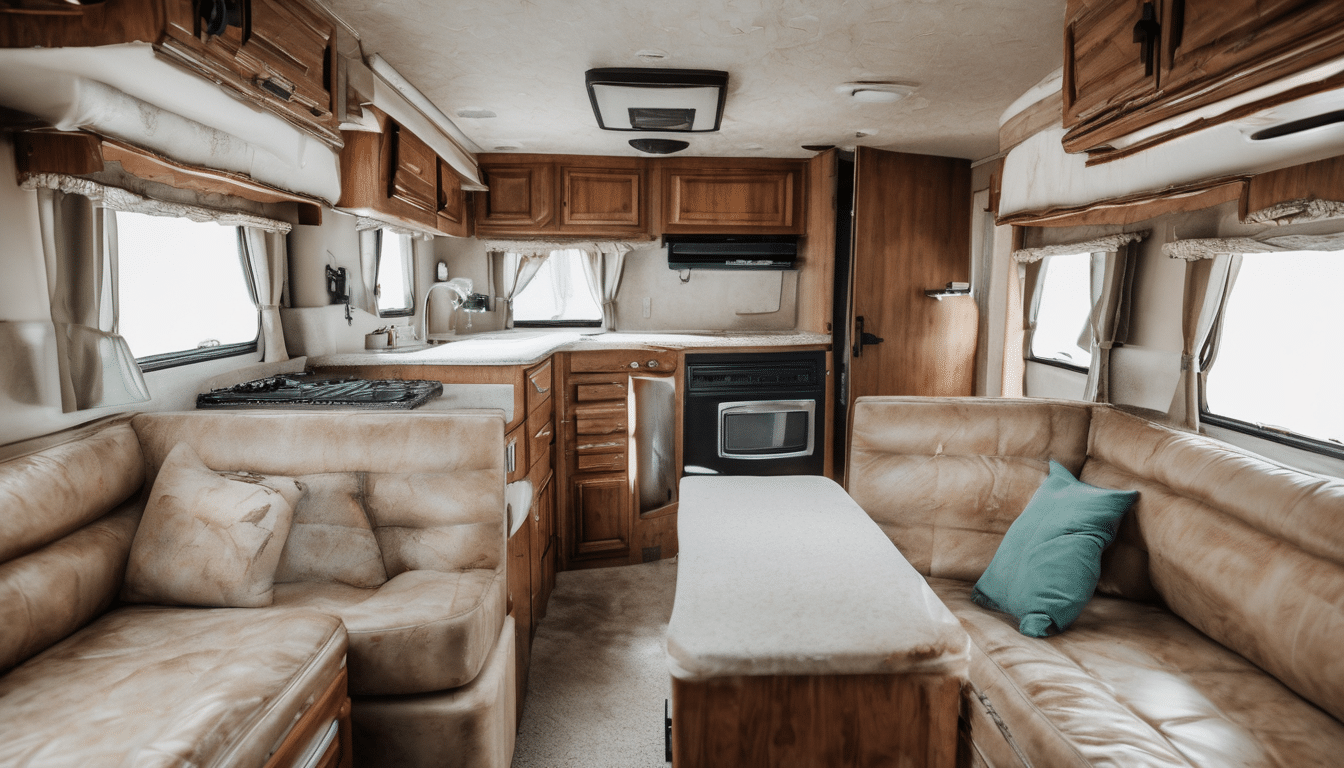
Detect And Prevent Mold In Rvs After Water Damage – Detecting Mold in RVs After Water Damage
Water damage from a leaking roof can create perfect conditions for mold growth. This section will guide you through the steps to detect and assess the extent of any potential mold issues. This relates directly to Detect And Prevent Mold In Rvs After Water Damage.
First, inspect visible areas such as walls, ceilings, and under furniture. Look for signs like discoloration, musty odors, or visible mold patches. Use a moisture meter to measure the humidity levels in different parts of your RV. High readings may indicate hidden water damage leading to mold growth.
Use thermal imaging cameras to detect areas with higher temperatures that could be caused by moisture and subsequent mold growth behind walls or under floors. Borescopes can also help identify hidden mold behind panels and fixtures. Regularly perform these checks, especially after any significant rain or heavy use of the RV in humid conditions. When considering Detect And Prevent Mold In Rvs After Water Damage, this becomes clear.
Detect And Prevent Mold In Rvs After Water Damage: Preventing Mold Growth in RVs
Mold growth is not just a cosmetic issue; it can pose serious health risks. This section provides practical steps to prevent mold from taking hold after water damage.
Ensure proper ventilation by opening windows and using fans or dehumidifiers. Maintain an indoor relative humidity of 30-50% to inhibit mold growth. Use desiccant packs in areas prone to moisture, like under seats and behind panels. Install a quality air conditioning system that can control the indoor climate effectively. The importance of Detect And Prevent Mold In Rvs After Water Damage is evident here.
Regular cleaning with appropriate disinfectants is crucial. Use solutions containing bleach or hydrogen peroxide for thorough cleaning of surfaces. Pay special attention to areas where water damage has occurred, as these are prime locations for mold growth. Seal any gaps and cracks in your RV’s envelope to prevent moisture intrusion from the outside.
Detect And Prevent Mold In Rvs After Water Damage – Understanding the Moisture Dynamics Behind RV Roof Leaks
Proper roof maintenance is essential to prevent water damage and subsequent mold growth. This section explores common reasons for roof leaks in RVs and how they can lead to moisture problems. Understanding Detect And Prevent Mold In Rvs After Water Damage helps with this aspect.
A leaking roof can allow rainwater to seep into the interior of your RV, leading to structural damage and creating an environment favorable for mold growth. Pay attention to signs like water stains on ceilings, peeling paint, or bubbling materials. Regular inspections are key; consider having a professional check your roof at least once a year.
Moisture can also accumulate through condensation in poorly insulated RVs. High humidity levels combined with cold surfaces create conditions for moisture buildup. Use dehumidifiers and ensure good insulation to reduce the risk of condensation and subsequent mold growth. Detect And Prevent Mold In Rvs After Water Damage factors into this consideration.
Mold Testing and Remediation Strategies for RVs
When mold is detected, it’s important to determine its extent and type before attempting any remediation. This section outlines the necessary steps.
Use air sampling methods to identify mold species present in your RV. Collect samples using spore traps or surface swabs for laboratory analysis. A microbiology lab can provide detailed reports on mold types, concentrations, and potential health risks. This relates directly to Detect And Prevent Mold In Rvs After Water Damage.
For visible mold growth, follow industry best practices for remediation. Implement negative pressure containment to prevent cross-contamination. Use HEPA-filtered air scrubbers and appropriate personal protective equipment (PPE). Treat contaminated surfaces with biocides or other approved solutions. Ensure thorough drying of affected areas before returning the RV to normal use.
Cleaning Your RV Interior After Mold Detection
Once mold has been identified, proper cleaning is crucial to remove contaminants and prevent regrowth. Follow these steps for effective mold removal: When considering Detect And Prevent Mold In Rvs After Water Damage, this becomes clear.
- Preparation: Clear the RV of all belongings and furniture. Cover any non-removable items with plastic sheeting.
- Cleaning: Use a mixture of water and detergent to clean surfaces affected by visible mold growth. Rinse thoroughly with water after cleaning.
- Disinfecting: Apply a solution containing bleach or hydrogen peroxide to kill remaining mold spores. Let it sit for at least 10-20 minutes before rinsing and drying.
- Drying: Use fans, dehumidifiers, or air conditioning units to dry the interior thoroughly. Ensure all surfaces are completely dry to prevent regrowth.
Developing an RV Maintenance Plan to Prevent Future Damage
To avoid repeated mold issues, establish a comprehensive maintenance plan for your RV:
- Regularly inspect the roof and exterior seals for signs of damage.
- Ensure proper ventilation in the interior by opening windows and using fans or dehumidifiers.
- Keep the interior dry, especially after use. Use desiccant packs to absorb moisture.
- Use a quality air conditioning system to control indoor humidity levels.
By following these steps, you can significantly reduce the risk of mold growth in your RV and maintain a healthy environment for long-term use.
Expert Tips for Mold Detector and Preventer in RVs
- Regular Inspections: Schedule regular inspections of your RV’s roof, exterior seals, and interior surfaces. This can help catch potential issues before they lead to mold growth.
- Use Moisture Meters: Invest in moisture meters for early detection of water damage. These tools are invaluable in identifying hidden moisture that could lead to mold.
- Thermal Imaging: Use thermal imaging cameras to detect areas with elevated temperatures, which may indicate hidden water damage or mold growth behind walls and ceilings.
- Borescope Inspections: Employ borescopes for detailed inspections of hard-to-reach areas such as behind panels and under furniture. This can help identify hidden mold before it spreads.
- Avoid Moisture Buildup: Maintain proper insulation, use desiccant packs in damp areas, and ensure good ventilation to prevent moisture accumulation that could lead to mold growth.
Frequently Asked Questions About Mold in RVs
- Q: Can water damage from a leaking roof lead to mold?
- A: Yes, water damage can create conditions for mold growth. It’s important to address any leaks promptly and perform thorough inspections.
- Q: How often should I check for mold in my RV?
- A: Conduct regular checks after heavy use or following significant weather events. Inspect at least once a year, especially if you notice signs of moisture damage.
- Q: Can I DIY mold remediation, or should I hire professionals?
- A: For severe cases, it’s advisable to hire professionals who have the expertise and equipment for safe mold removal. DIY methods may not be sufficient in complex situations.
For more information, visit this resource.
Conclusion
Preventing mold growth after water damage requires a proactive approach involving regular inspections, effective moisture management, and proper cleaning techniques. By following this comprehensive guide, you can ensure your RV remains free from harmful mold, providing a safe environment for you and your family. Understanding Detect And Prevent Mold In Rvs After Water Damage is key to success in this area.