
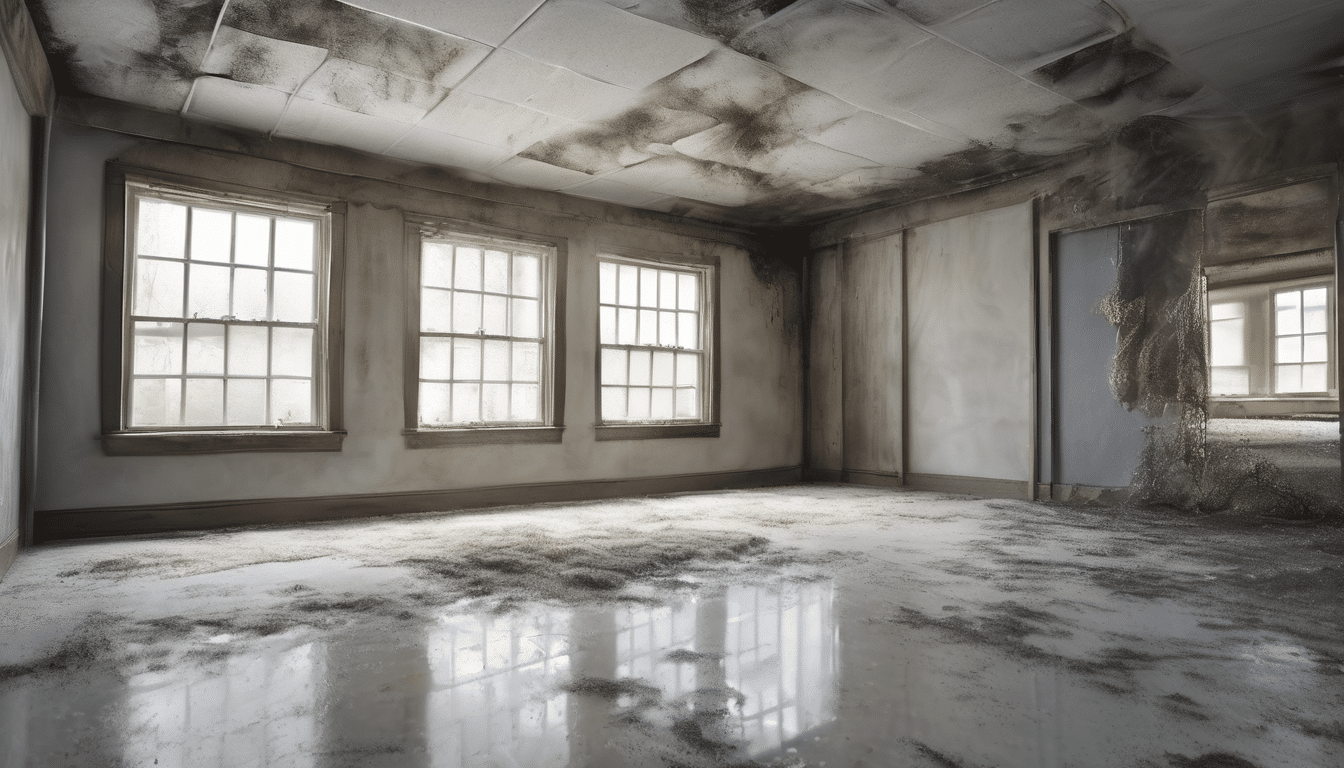
Effective Containment Design during mold remediation is crucial to protect occupants from exposure, minimize cross-contamination, and achieve long-lasting results. This article outlines 10 essential steps for implementing effective containment in Dubai apartments.
Introduction to Effective Containment Design During Mold Remediation
Effective containment design is the cornerstone of successful mold remediation, especially in high-density living environments like Dubai apartments. It ensures that the remediation process does not compromise indoor air quality and minimizes the risk of spreading contaminated materials.
Effective Containment Design During Mold Remediation – The Importance of Containment in Mold Remediation
Containment prevents mold spores from escaping into unaffected areas, which is essential for both occupant safety and successful remediation. Proper containment also helps control the spread of moisture and contaminants within the affected zone.
Defining Containment
Containment refers to a controlled environment established around an area where mold remediation is taking place, preventing any cross-contamination with unaffected areas.
Setting Up Positive and Negative Pressure Systems
To effectively contain mold remediation efforts, it’s crucial to set up a positive pressure system in the work area and negative pressure systems in adjacent spaces. This creates an airflow barrier that prevents spores from escaping into other areas of the building.
Positive Pressure System
Install HEPA filters at the entrance of the containment zone to ensure air is filtered before entering, thus preventing any mold spores from spreading further. Positive pressure ensures that only clean air enters the work area.
Using Adequate Barriers and Covers
Proper barriers such as plastic sheeting, tarps, and seals are essential to prevent mold spores from contaminating other areas of the building. All openings, including service ports and entry-exits, should be covered with appropriate materials.
Barrier Materials
Plastic sheeting should be rated for heavy-duty use and sealed at all edges to prevent any breaches in containment. Adhesive-backed barriers can also provide a more secure seal around openings.
Proper Disposal of Mold-Contaminated Materials
Mold-contaminated materials must be handled with care to prevent cross-contamination. Dispose of these materials in sealed bags or containers and follow local regulations for hazardous waste disposal.
Disposal Procedures
Place mold-contaminated materials into double-bagged, labeled containers made from heavy-duty polyethylene. Seal the bags tightly to prevent any spores from escaping during transportation.
Training and Monitoring the Team
The team responsible for mold remediation must be well-trained in containment procedures. Regular monitoring ensures that all protocols are being followed, thereby maintaining the integrity of the containment zone.
Team Training
Ensure that all personnel involved in mold remediation understand the importance of proper containment and follow established procedures to prevent any breaches or cross-contamination incidents.
Securing Entry Exits and Service Ports
Entry points, service ports, and other access areas must be carefully controlled. Use appropriate seals and barriers to ensure that these areas are not compromised during the remediation process.
Entry/Exit Seals
Install self-adhesive seals or use tape to secure doors, windows, and other entry points. Service ports should be covered with heavy-duty plastic sheeting and sealed properly to prevent any breaches in containment.
Using Adequate Filtration Systems
Adequate filtration systems are essential for maintaining air quality within the containment zone. HEPA filters should be installed at all points where air is circulated to ensure that any spores are captured before they can spread.
Filter Types
High-efficiency particulate air (HEPA) filters with a minimum efficiency reporting value (MERV) of 17 should be used for capturing mold spores. UV lights can also be installed to disinfect the air further.
Monitoring and Verifying Containment Efficacy
Regular monitoring is critical to ensure that the containment zone remains effective throughout the remediation process. This includes regular inspections, pressure testing, and visual checks for any breaches or signs of contamination.
Monitoring Tools
Air quality monitors and spore traps can be used to track air quality and detect any potential breaches in containment. Regular inspections by trained personnel should also be conducted to ensure that all protocols are being followed.
Expert Tips for Effective Containment Design
Here are some expert tips for implementing effective containment design during mold remediation in Dubai apartments:
- Ensure all team members understand the importance of containment.
- Use appropriate and high-quality barrier materials to seal off affected areas.
- Install a positive pressure system at the entrance of the work area.
- Monitor air quality and use spore traps to detect any breaches in containment.
- Properly dispose of mold-contaminated materials using sealed containers.
Frequently Asked Questions About Containment
Here are some common questions about effective containment design during mold remediation:
- How long does the containment process typically last? The duration of containment can vary depending on the extent of contamination and the complexity of the job. Typically, it lasts from a few days to several weeks.
- What are the signs that my containment is not effective? Signs include visible mold growth outside the work area, high levels of mold spores detected by air quality monitors, or an increase in respiratory symptoms among occupants.
- Can I perform a DIY containment without professional help? While it’s possible to attempt DIY containment, it is recommended to hire professionals who have experience and training in this area. Professional containment ensures that all necessary steps are taken to prevent cross-contamination.
Conclusion on Effective Containment Design During Mold Remediation
Effective containment design is a critical aspect of mold remediation, especially in the high-density living environments found in Dubai apartments. By implementing the steps outlined in this article, you can ensure that your remediation process is both safe and successful. Understanding Effective Containment Design During Mold Remediation is key to success in this area.