
Introduction
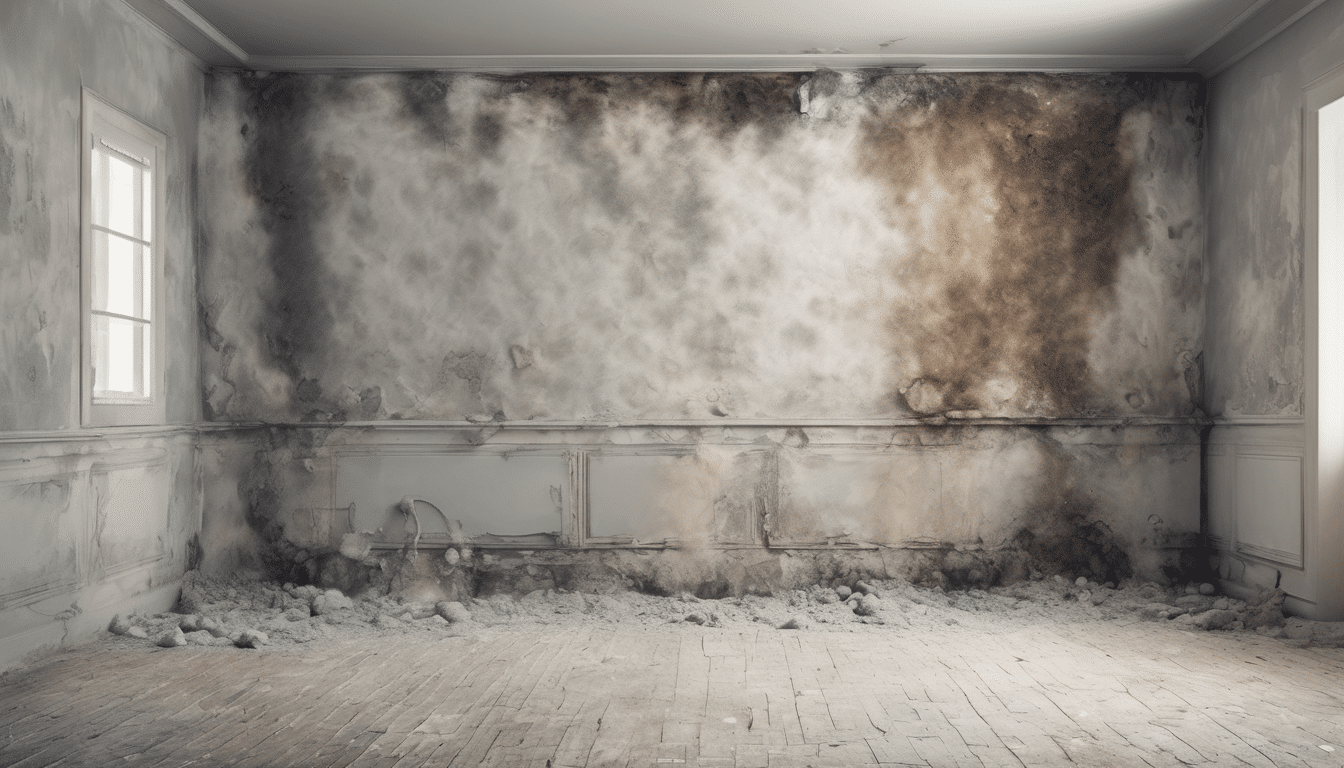
Understanding Mold Removal Strategies For Water-damaged Gypsum Walls is essential. Water damage in residential and commercial properties is a common issue that can lead to the proliferation of harmful molds. In Dubai’s humid climate, such conditions are particularly conducive to mold growth, especially in areas like gypsum walls. This article delves into the best strategies for removing mold from water-damaged gypsum walls, providing homeowners and professionals with actionable insights.
Understanding Mold Removal Strategies for Water-Damaged Gypsum Walls
Mold growth in water-damaged gypsum walls is a complex issue that requires a thorough understanding of the underlying causes. The first step in effective mold removal is to identify and address these root causes, ensuring comprehensive treatment.
Mold Growth Mechanism
Mold thrives in environments with high moisture levels, such as water-damaged gypsum walls. The gypsum board acts as a sponge, absorbing excess moisture from the air and creating an ideal breeding ground for mold spores to germinate and grow.
Common Root Causes
- Leaking pipes or plumbing issues leading to water intrusion
- Condensation buildup in poorly ventilated areas
- Inadequate building envelope sealing, allowing moisture infiltration
- Lack of proper HVAC system maintenance and humidity control
Mold Removal Strategies For Water-damaged Gypsum Walls – Hidden Mold Detection Techniques in Dubai Apartments
Identifying hidden mold growth is crucial for effective remediation. Traditional visual inspections may miss areas behind walls, under floors, or within HVAC systems where moisture is concealed.
Thermal Imaging Inspection
Using thermal imaging cameras can detect temperature differences that indicate the presence of hidden moisture and mold growth. This non-invasive technique helps pinpoint problem areas for targeted remediation.
Borescope Inspection
For more concealed locations, borescopes can be used to visually inspect behind walls and ceilings without making large-scale renovations. This method ensures thorough inspection of all possible mold growth sites.
Root-Cause Analysis of Recurring Mold in High-Rise Apartments
Recurring mold issues often stem from deeper building system failures that have not been adequately addressed. A comprehensive root-cause analysis is essential to prevent future outbreaks.
Hygrothermal Failure Detection
By examining the building’s hygrothermal performance, professionals can identify moisture-related failures in the envelope and internal systems. This includes assessing insulation, air barriers, and vapor retarders for defects that allow water infiltration.
Building Envelope Analysis
An in-depth analysis of the building envelope helps uncover weaknesses such as gaps in weatherproofing, inadequate drainage solutions, or improperly installed flashing. These issues must be addressed to ensure a mold-free environment.
Effective Containment Design During Mold Remediation
Proper containment is critical during the remediation process to prevent cross-contamination and ensure the safety of occupants. Here are some best practices:
Negative Pressure and HEPA Filtration
Setting up negative pressure zones using airlocks and HEPA-filtered air scrubbers can contain airborne mold spores, preventing their spread to unaffected areas. This is especially important in occupied buildings. This relates directly to Mold Removal Strategies For Water-damaged Gypsum Walls.
Contamination Barrier Materials
Using appropriate barrier materials like plastic sheeting can further mitigate the risk of mold spore dispersal during the remediation process. These barriers should cover all surfaces that may come into contact with mold-contaminated air.
Mold Removal Plan and Execution
A well-planned approach is necessary to ensure thorough and effective mold removal. Here are key steps in the process:
Surface Cleaning and Source Removal
Begin by thoroughly cleaning affected surfaces with appropriate biocides or detergents, then remove visible mold growth using specialized tools. This step is crucial for eliminating both mold spores and their substrates.
Material Disposal and Sanitization
Dispose of contaminated materials properly to prevent secondary contamination. Follow local regulations for waste disposal, ensuring that all affected gypsum board and other materials are handled safely.
Read more: Hidden Mold Detection Techniques In Dubai Apartments
Pricing Guide for Mold Removal Strategies for Water-Damaged Gypsum Walls
The cost of mold removal strategies varies depending on several factors:
| Factor | Pricing Range (AED) |
|---|---|
| Size of the affected area | AED 5,000 – AED 20,000+ |
| Extent of contamination and mold growth | AED 3,000 – AED 15,000+ |
| Building system failures identified during root-cause analysis | AED 8,000 – AED 25,000+ |
The total cost can range from AED 10,000 to AED 60,000 or more, depending on the severity of the issue and the scope of remediation required. It is essential to consult with a professional mold remediation service for an accurate estimate.
Expert Tips: Ensuring Long-Term Mold Prevention
- Address all building system failures identified during root-cause analysis to prevent future outbreaks.
- Implement moisture control strategies such as improving ventilation, installing dehumidifiers, and maintaining HVAC systems.
- Regularly inspect high-risk areas for signs of mold growth using thermal imaging and borescope inspections.
- Use appropriate containment methods during remediation to ensure the safety of occupants and prevent cross-contamination.
Frequently Asked Questions (FAQs)
- Q: Can hidden mold be detected without damaging walls?
A: Yes, non-invasive techniques like thermal imaging and borescope inspections can help identify hidden mold growth.
- Q: Is it necessary to replace all contaminated gypsum boards during mold removal?
A: Not always. In some cases, thorough cleaning and sanitization may suffice, but severe contamination often requires replacement.
- Q: How long does the remediation process typically take for water-damaged gypsum walls?
A: The duration can vary from a few days to several weeks depending on the extent of the problem and the scope of work required.
Conclusion
Effective mold removal strategies for water-damaged gypsum walls require a holistic approach that addresses both visible and hidden contamination. By understanding the root causes, employing advanced detection techniques, and implementing comprehensive remediation plans, homeowners and professionals can ensure long-term prevention of future outbreaks.