
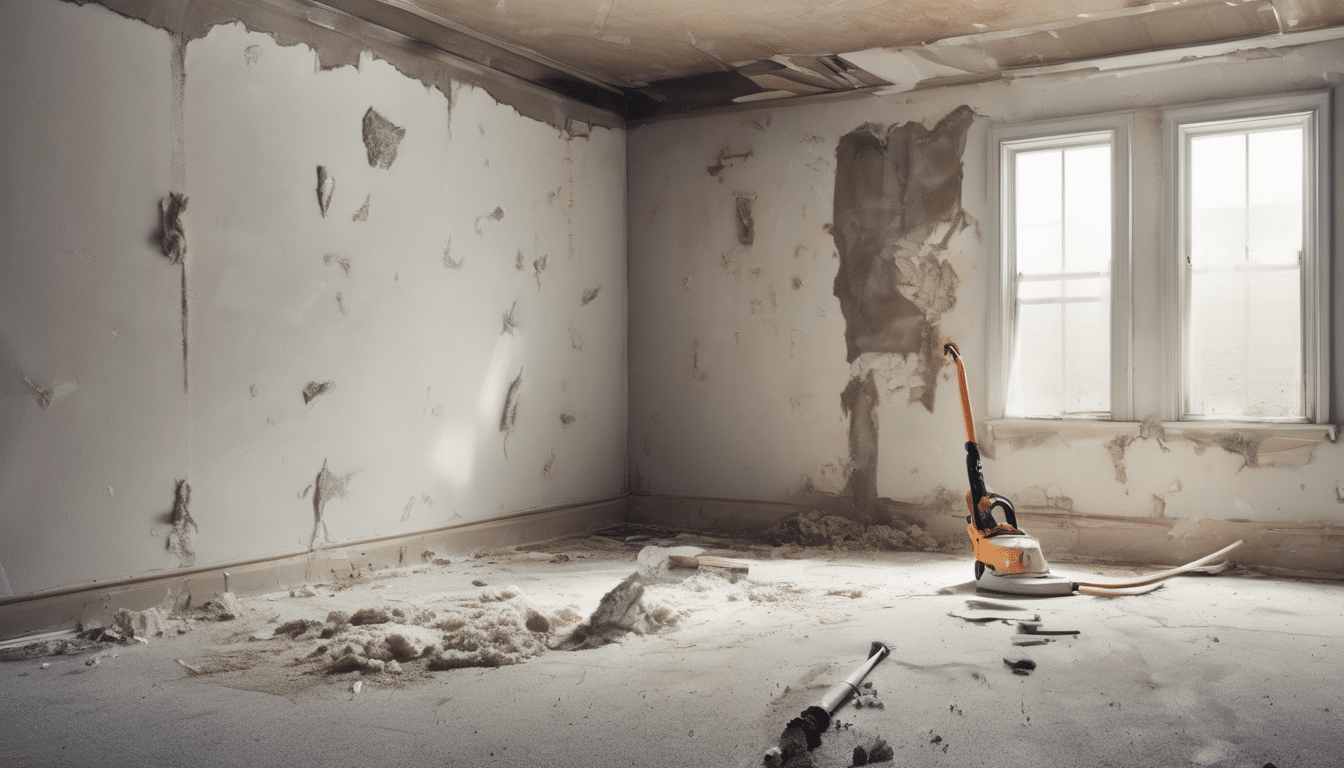
Understanding Remove Drywall Instead Of Cleaning Mold is essential. Mould growth on drywall presents one of the most common indoor environmental challenges faced by homeowners across Dubai and the UAE. The region’s unique climate conditions, combined with extensive air conditioning usage, create perfect environments for mould development on porous building materials. Understanding When to Remove drywall instead of cleaning mould requires careful evaluation of multiple factors, from moisture penetration depth to structural integrity concerns.
Many homeowners attempt surface cleaning when they discover mould, but this approach often fails to address the underlying problem. Drywall, being a porous material, can harbour mould deep within its gypsum core and paper backing, making complete removal the only effective solution in many cases. The decision when to remove drywall instead of cleaning mould depends on scientific assessment rather than visual appearance alone. This relates directly to Remove Drywall Instead Of Cleaning Mold.
This comprehensive guide examines 11 critical situations where drywall removal becomes necessary for proper mould remediation. Each scenario reflects common conditions encountered in UAE properties, from high-rise apartments in Dubai to villas in Abu Dhabi, where humidity control challenges and construction practices create specific mould risk patterns.
Understanding When to Remove Drywall Instead of Cleaning Mold
Determining when to remove drywall instead of cleaning mould begins with understanding the material’s composition and how mould interacts with porous surfaces. Drywall consists of gypsum plaster sandwiched between two layers of paper, creating an ideal food source for mould when moisture is present. The paper backing provides cellulose, which many mould species readily consume, while the porous nature allows moisture and mould to penetrate deep into the material.
In Dubai’s climate, where indoor relative humidity often exceeds recommended levels due to air conditioning system limitations, drywall becomes particularly vulnerable. The constant thermal bridging between air-conditioned interiors and humid exterior conditions creates condensation points within wall cavities. This hidden moisture leads to mould growth that may not be visible on surface inspections, necessitating removal rather than cleaning. When considering Remove Drywall Instead Of Cleaning Mold, this becomes clear.
professional mould investigators use moisture meters, thermal imaging, and borescope examinations to assess penetration depth before deciding when to remove drywall instead of cleaning mould. Surface cleaning alone cannot address mould that has penetrated more than a few millimetres into the material, making removal the only viable option in most cases of significant contamination.
Remove Drywall Instead Of Cleaning Mold: Extensive Mould Penetration Scenarios
One of the primary indicators for when to remove drywall instead of cleaning mould involves the extent of penetration into the material. Mould hyphae can travel through the gypsum core, reaching areas far from the visible surface growth. When mould penetration exceeds 25% of the drywall thickness, complete removal becomes necessary regardless of surface appearance. The importance of Remove Drywall Instead Of Cleaning Mold is evident here.
In our Dubai case studies, we frequently encounter situations where surface cleaning was attempted, only to discover extensive hidden growth during subsequent investigations. The mould had penetrated completely through the drywall, contaminating insulation and structural elements behind. This scenario particularly affects partition walls between air-conditioned spaces and humid areas like bathrooms or kitchens.
Assessment techniques include moisture mapping with professional-grade meters that measure percentage moisture content. Drywall should typically contain less than 15% moisture content. Readings above 20% indicate probable mould penetration requiring removal. Thermal imaging also reveals temperature variations suggesting moisture retention within wall cavities, helping determine when to remove drywall instead of cleaning mould. Understanding Remove Drywall Instead Of Cleaning Mold helps with this aspect.
Remove Drywall Instead Of Cleaning Mold: Structural Integrity Concerns
Structural compromise represents another critical factor in deciding when to remove drywall instead of cleaning mould. Prolonged moisture exposure weakens drywall’s structural integrity, causing sagging, bulging, or softening of the material. These physical changes indicate that the gypsum core has absorbed significant moisture and may no longer provide adequate support or fire resistance.
In UAE properties, we often find structural concerns in areas experiencing chronic leakage from air conditioning drainage systems or plumbing failures. The drywall becomes soft to the touch, loses its rigidity, and may show visible deformation. Attempting to clean mould from compromised drywall risks further damage and incomplete remediation, as the material cannot be properly treated or sealed. Remove Drywall Instead Of Cleaning Mold factors into this consideration.
Building safety regulations in Dubai require maintaining structural and fire-resistant properties of wall systems. Compromised drywall may fail to meet these standards, necessitating replacement. Professional assessment includes checking for sagging between studs, soft spots indicating gypsum degradation, and loss of nail/screw holding capacity—all indicators for when to remove drywall instead of cleaning mould.
Moisture Damage Indicators
Visible moisture damage provides clear guidance on when to remove drywall instead of cleaning mould. Water stains, discolouration, and warping indicate that moisture has penetrated beyond surface level, creating ideal conditions for mould growth within the material. These signs often appear as yellowish or brownish staining, particularly noticeable on light-coloured drywall. This relates directly to Remove Drywall Instead Of Cleaning Mold.
In Dubai’s construction environment, we frequently observe moisture damage around window frames, where condensation accumulates, and in corners where thermal bridging occurs. The damage pattern helps identify the moisture source and extent of penetration. Drywall showing widespread staining covering more than 30% of a panel typically requires removal, as the moisture has likely compromised the entire section.
Odour detection also plays a role in assessing moisture damage. A musty, earthy smell emanating from drywall suggests microbial activity within the material, even if visible mould isn’t present. This hidden growth requires removal rather than surface treatment. Professional moisture mapping using infrared cameras and penetrating moisture meters provides quantitative data to support removal decisions. When considering Remove Drywall Instead Of Cleaning Mold, this becomes clear.
Health Risk Assessments
Health considerations significantly influence decisions about when to remove drywall instead of cleaning mould. Certain mould species produce mycotoxins or allergens that can persist in porous materials even after surface cleaning. When occupants experience health symptoms correlated with mould exposure, complete removal becomes necessary to eliminate the source of contamination.
In sensitive environments such as children’s bedrooms, healthcare facilities, or homes with immunocompromised individuals, we recommend erring on the side of removal rather than cleaning. The risk of residual allergens or mycotoxins remaining in porous drywall outweighs the cost savings of attempted cleaning. This precautionary approach aligns with international health guidelines for mould remediation in sensitive environments. The importance of Remove Drywall Instead Of Cleaning Mold is evident here.
Laboratory analysis of mould samples helps identify species and potential health risks. Toxigenic species like Stachybotrys chartarum (black mould) require more aggressive remediation approaches, including drywall removal in most cases. Air quality testing after attempted cleaning often reveals continued spore release from contaminated drywall, confirming the need for removal when health concerns exist.
Previous Remediation Failures
Historical remediation attempts often demonstrate when to remove drywall instead of cleaning mould. When mould reappears after previous cleaning efforts, it indicates that the initial approach failed to address the root cause or complete contamination. Recurrent mould growth suggests persistent moisture issues or deep penetration that surface cleaning cannot resolve. Understanding Remove Drywall Instead Of Cleaning Mold helps with this aspect.
In many Dubai properties, we investigate cases where homeowners attempted DIY cleaning using bleach or commercial mould removers, only to see regrowth within weeks. The temporary surface improvement masks continued growth within the drywall, leading to more extensive contamination over time. These scenarios invariably require complete drywall removal to access and address the full extent of mould colonization.
Documentation of previous remediation attempts helps professionals understand the contamination history and make informed decisions about when to remove drywall instead of cleaning mould. Patterns of recurrent growth, especially in the same locations, indicate systemic moisture issues that must be resolved alongside material replacement for successful long-term remediation. Remove Drywall Instead Of Cleaning Mold factors into this consideration.
Building Material Considerations
Specific drywall types and finishes affect decisions about when to remove drywall instead of cleaning mould. Standard drywall with paper facing provides ideal conditions for mould growth and typically requires removal when contaminated. However, mould-resistant drywall with fibreglass facing or antimicrobial treatments may sometimes allow surface cleaning if contamination is minimal and caught early.
In UAE construction, we encounter various drywall types, from standard gypsum boards to specialised moisture-resistant panels used in bathrooms and kitchens. While mould-resistant drywall performs better in humid conditions, it still requires removal when significant moisture penetration occurs. The added cost of specialised drywall (typically 20-30% more than standard panels) justifies replacement rather than risk inadequate cleaning. This relates directly to Remove Drywall Instead Of Cleaning Mold.
Finished surfaces also influence removal decisions. Painted drywall may appear clean while hiding mould beneath the surface. Textured finishes trap mould and make effective cleaning difficult. Wallpaper covering drywall creates an additional barrier that prevents proper assessment and treatment, often necessitating removal to evaluate the underlying condition.
Professional Assessment Guidance
Professional evaluation provides the most reliable method for determining when to remove drywall instead of cleaning mould. Certified mould inspectors use multiple assessment tools, including moisture meters, thermal imaging cameras, borescopes, and laboratory analysis, to make evidence-based decisions. This comprehensive approach prevents unnecessary removal while ensuring complete remediation when required. When considering Remove Drywall Instead Of Cleaning Mold, this becomes clear.
In Dubai, professional assessment costs typically range from AED 1,500 to AED 3,500 depending on property size and testing requirements. This investment proves valuable when compared to the cost of incomplete remediation and recurrent mould problems. Professionals follow established protocols from organisations like the IICRC, ensuring consistent evaluation criteria for removal decisions.
The assessment process includes documenting moisture readings, mapping contamination extent, identifying mould species, and evaluating structural conditions. This multi-factor approach provides objective data to support decisions about when to remove drywall instead of cleaning mould, giving homeowners confidence in the recommended course of action. The importance of Remove Drywall Instead Of Cleaning Mold is evident here.
Expert Tips for Drywall Removal
When removal becomes necessary, following proper procedures ensures effective mould remediation and prevents cross-contamination. These expert tips guide the drywall removal process while maintaining indoor air quality and safety standards throughout the project.
Containment Setup
Establish negative pressure containment using plastic sheeting and air scrubbers before beginning removal. This prevents mould spores from spreading to unaffected areas during demolition. In Dubai’s apartment buildings, proper containment is especially critical to protect neighbouring units from cross-contamination. Understanding Remove Drywall Instead Of Cleaning Mold helps with this aspect.
Personal Protection
Use appropriate PPE including N95 respirators, gloves, and eye protection during drywall removal. mould exposure risks increase significantly during demolition activities that disturb contaminated materials.
Moisture Source Resolution
Identify and repair the moisture source before replacing drywall. Otherwise, the new material will simply become contaminated again. Common sources in UAE properties include AC condensate leaks, plumbing failures, and condensation due to poor insulation. Remove Drywall Instead Of Cleaning Mold factors into this consideration.
Proper Disposal
Seal removed drywall in plastic bags for appropriate disposal. mould-contaminated construction materials require special handling to prevent environmental contamination and exposure risks.
Post-Removal Verification
Conduct post-remediation verification testing after removal and before reconstruction. Air and surface sampling confirms that mould levels have returned to normal before installing new drywall.
Frequently Asked Questions
Can painted drywall be cleaned instead of removed?
Paint does not prevent mould penetration into drywall. While surface cleaning may temporarily improve appearance, mould often grows beneath painted surfaces, requiring removal for complete remediation. Professional assessment can determine penetration depth.
How much does drywall removal for mould cost in Dubai?
Drywall removal costs in Dubai typically range from AED 75 to AED 150 per square metre, depending on containment requirements, disposal costs, and whether specialised mould-resistant replacement materials are used.
Is DIY drywall removal recommended for mould?
DIY removal is not recommended due to cross-contamination risks and potential health exposure. Professional remediation ensures proper containment, disposal, and verification testing for complete mould removal.
How long does drywall removal and replacement take?
A typical mould remediation project involving drywall removal takes 3-7 days, including containment setup, removal, cleaning, verification testing, and reconstruction. Complex cases or extensive contamination may require longer timelines.
Can mould regrow on new drywall after removal?
Yes, if moisture issues aren’t resolved. New drywall will eventually develop mould if the underlying moisture problem persists. Professional remediation always includes moisture source identification and correction.
Understanding when to remove drywall instead of cleaning mould requires careful evaluation of multiple factors, from moisture penetration depth to health considerations. In Dubai’s climate, where humidity challenges persist year-round, erring on the side of removal often proves more effective than attempted cleaning of contaminated drywall. Professional assessment provides the certainty needed to make informed decisions that protect both property integrity and occupant health.
The decision when to remove drywall instead of cleaning mould ultimately balances immediate costs against long-term results. While removal involves higher initial investment, it typically provides more complete remediation and prevents recurrent mould problems that often follow surface cleaning attempts. This approach aligns with building science principles and professional mould remediation standards practised throughout the UAE. Understanding Remove Drywall Instead Of Cleaning Mold is key to success in this area.