
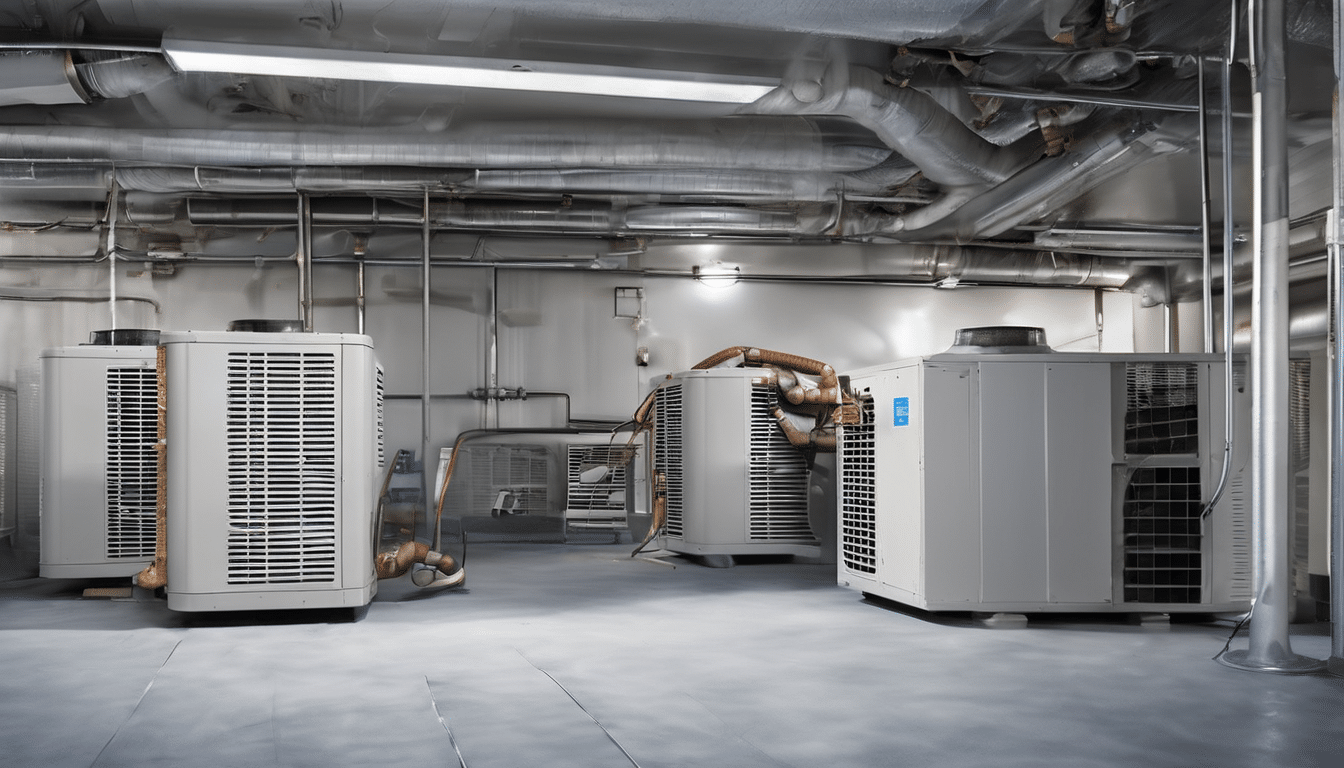
HVAC Mold Remediation protocols for large buildings represent one of the most complex challenges in indoor environmental management. In Dubai’s climate, where air conditioning systems operate continuously and humidity control is critical, HVAC systems can become amplifiers of microbial contamination if not properly maintained. Effective HVAC mold remediation protocols for large buildings require specialised approaches that differ significantly from residential mold removal methods.
When mold establishes itself in commercial HVAC systems, it can distribute contaminants throughout entire buildings, affecting air quality, occupant health, and system efficiency. The scale of large building HVAC systems demands meticulous planning, advanced containment strategies, and thorough verification processes. Understanding proper HVAC mold remediation protocols for large buildings is essential for facility managers, property owners, and health and safety professionals across the UAE.
This comprehensive guide examines the critical components of successful HVAC mold remediation protocols for large buildings, from initial assessment through final verification. We’ll explore the specialised techniques required for commercial systems, common pitfalls to avoid, and the importance of building-specific protocols tailored to Dubai’s unique environmental conditions.
Understanding HVAC Mold Remediation Protocols for Large Buildings
HVAC mold remediation protocols for large buildings differ fundamentally from residential approaches due to scale, complexity, and occupancy considerations. Commercial HVAC systems often span multiple floors, serve hundreds of occupants, and incorporate complex air handling units, duct networks, and ventilation components. Proper HVAC mold remediation protocols for large buildings must address these complexities while minimising disruption to business operations.
The foundation of effective HVAC mold remediation protocols for large buildings begins with understanding system design and airflow patterns. Large buildings typically feature central air handling units, supply and return ductwork, terminal units, and exhaust systems. Each component requires specific cleaning approaches and containment strategies. Unlike surface mold remediation, HVAC mold remediation protocols for large buildings must address both visible growth and airborne contamination that can redistribute throughout the system.
In Dubai’s climate, where high outdoor humidity combines with intensive cooling demands, HVAC systems face particular challenges. Condensation management, proper drainage, and humidity control become critical factors in both remediation and prevention. Effective HVAC mold remediation protocols for large buildings must address these environmental factors to prevent recurrence and ensure long-term system health.
Hvac Mold Remediation Protocols For Large Buildings – Initial Assessment and Diagnostic Procedures
Comprehensive assessment forms the critical first step in proper HVAC mold remediation protocols for large buildings. This process involves visual inspection, moisture mapping, and microbial sampling to determine contamination extent and identify contributing factors. Professional assessment should include internal inspection of air handling units, ductwork, coils, drain pans, and insulation materials using specialised equipment.
Visual Inspection Techniques
Visual assessment requires borescope inspection of duct interiors, examination of coil surfaces, and inspection of hidden areas where moisture accumulates. Thermal imaging can identify temperature differentials that indicate condensation issues or insulation failures. These diagnostic steps help define the scope of HVAC mold remediation protocols for large buildings and identify areas requiring special attention.
Microbial Sampling Strategy
Air and surface sampling provides scientific validation of contamination levels and helps identify specific mold species present. Proper HVAC mold remediation protocols for large buildings should include pre-remediation baseline sampling, during-project monitoring, and post-remediation verification testing. Sampling locations should represent different zones, airflow paths, and potential contamination sources throughout the HVAC system.
Hvac Mold Remediation Protocols For Large Buildings – Containment and Isolation Strategies
Effective containment represents perhaps the most critical aspect of HVAC mold remediation protocols for large buildings. Unlike localized remediation, HVAC work involves system-wide contamination risks that require sophisticated isolation strategies. Proper containment prevents cross-contamination to clean areas and protects building occupants during remediation activities.
HVAC mold remediation protocols for large buildings typically require negative air containment with HEPA filtration, isolation of affected system components, and protection of adjacent spaces. Air handling units may need complete isolation, while ductwork sections require segment-by-segment containment. These measures ensure that dislodged spores and debris are captured rather than distributed through the building.
In occupied buildings, HVAC mold remediation protocols for large buildings must include occupant protection measures such as temporary air filtration, relocation strategies, and communication plans. The scale of large buildings demands careful scheduling and coordination to minimise disruption while maintaining effective containment throughout the remediation process.
Cleaning and Remediation Techniques
The execution phase of HVAC mold remediation protocols for large buildings involves systematic cleaning of all contaminated components using appropriate methods for each surface type. Different HVAC components require specific approaches – metal ductwork cleaning differs from fiberglass duct board remediation, which differs from coil cleaning techniques.
Mechanical Cleaning Methods
Aggressive cleaning methods including HEPA vacuuming, brushing, and air washing remove accumulated debris and microbial growth from duct surfaces. Rotary brush systems with HEPA filtration effectively clean sheet metal ducts, while specialized methods address lined ductwork without damaging surfaces. These mechanical methods form the foundation of physical removal in HVAC mold remediation protocols for large buildings.
Chemical Treatment Approaches
EPA-registered antimicrobial products may supplement mechanical cleaning in certain situations, particularly for coil cleaning and surface treatment. However, chemical applications should follow manufacturer guidelines and environmental safety standards. Proper HVAC mold remediation protocols for large buildings emphasize physical removal as the primary method, with chemical treatments used judiciously and only when justified by specific conditions.
Verification Testing Methods
Verification represents the quality assurance component of HVAC mold remediation protocols for large buildings. Post-remediation testing confirms that cleaning has achieved acceptable cleanliness levels and that contamination has been effectively removed. This phase typically includes visual inspection, surface sampling, and air quality testing compared to pre-remediation baselines and outdoor control samples.
Successful HVAC mold remediation protocols for large buildings should demonstrate significant reduction in spore counts, elimination of moisture problems, and restoration of proper system function. Verification testing should assess not only the remediated components but also adjacent areas to ensure no cross-contamination occurred during the process. Documentation of verification results provides assurance that the HVAC mold remediation protocols for large buildings have been successfully implemented.
Third-party verification adds credibility to the process, particularly in sensitive environments like schools, healthcare facilities, and commercial buildings with liability concerns. Independent assessment ensures that HVAC mold remediation protocols for large buildings meet industry standards and regulatory requirements specific to the UAE market.
Preventive Maintenance Protocols
Effective HVAC mold remediation protocols for large buildings must include preventive measures to avoid recurrence. Post-remediation recommendations should address the underlying moisture issues, maintenance practices, and system modifications that contributed to the original contamination. Preventive strategies form the final, crucial component of comprehensive HVAC mold remediation protocols for large buildings.
Moisture control measures may include improved drainage, humidity control upgrades, insulation improvements, and regular coil cleaning schedules. Filter maintenance, system balancing, and routine inspections help maintain cleanliness between major cleaning cycles. These preventive aspects of HVAC mold remediation protocols for large buildings ensure long-term success and protect the investment in remediation.
Documentation of maintenance activities, moisture measurements, and periodic assessments helps track system performance and identify potential issues before they develop into significant contamination problems. This ongoing monitoring completes the cycle of effective HVAC mold remediation protocols for large buildings.
Expert Tips for Successful Implementation
Implementing effective HVAC mold remediation protocols for large buildings requires careful planning and execution. These expert tips can help ensure successful outcomes:
- Always begin with comprehensive assessment – never assume contamination extent without proper investigation
- Develop building-specific protocols that account for system design, occupancy patterns, and local climate conditions
- Prioritise containment to prevent cross-contamination during remediation activities
- Use appropriate cleaning methods for different HVAC components – one technique doesn’t suit all surfaces
- Document every phase with photographs, moisture readings, and sampling results
- Verify results with post-remediation testing before considering the project complete
- Implement preventive measures addressing the root causes of moisture and contamination
- Consider third-party verification for objective assessment of remediation success
Frequently Asked Questions
How often should large building HVAC systems be inspected for mold?
Commercial HVAC systems in Dubai’s climate should undergo professional inspection at least annually, with more frequent checks during high-humidity periods. Systems with history of moisture issues may require quarterly assessment as part of comprehensive HVAC mold remediation protocols for large buildings.
What are the typical costs for professional HVAC mold remediation in UAE buildings?
Costs vary significantly based on system size and contamination extent, but professional HVAC mold remediation protocols for large buildings typically range from AED 15,000 to AED 80,000 for medium-sized commercial systems. Large facilities with extensive contamination may require budgets exceeding AED 150,000.
Can building occupants remain during HVAC mold remediation?
Depending on containment effectiveness and project scope, partial occupancy may be possible during implementation of HVAC mold remediation protocols for large buildings. However, sensitive populations should relocate during active remediation phases, and proper containment is essential for any occupied remediation.
How long does complete HVAC mold remediation typically take?
Implementation of comprehensive HVAC mold remediation protocols for large buildings typically requires 3-10 days for medium systems, while large or complex systems may need 2-3 weeks. Assessment and verification add additional time to the overall project timeline.
What certifications should remediation professionals hold?
Professionals implementing HVAC mold remediation protocols for large buildings should hold IICRC certification, relevant health and safety training, and specific experience with commercial HVAC systems. UAE-based providers should demonstrate knowledge of local climate challenges and building practices.
Proper implementation of HVAC mold remediation protocols for large buildings requires specialised knowledge, appropriate equipment, and systematic approach. By understanding these protocols and working with qualified professionals, facility managers can effectively address HVAC contamination issues and maintain healthy indoor environments in commercial buildings throughout the UAE.