
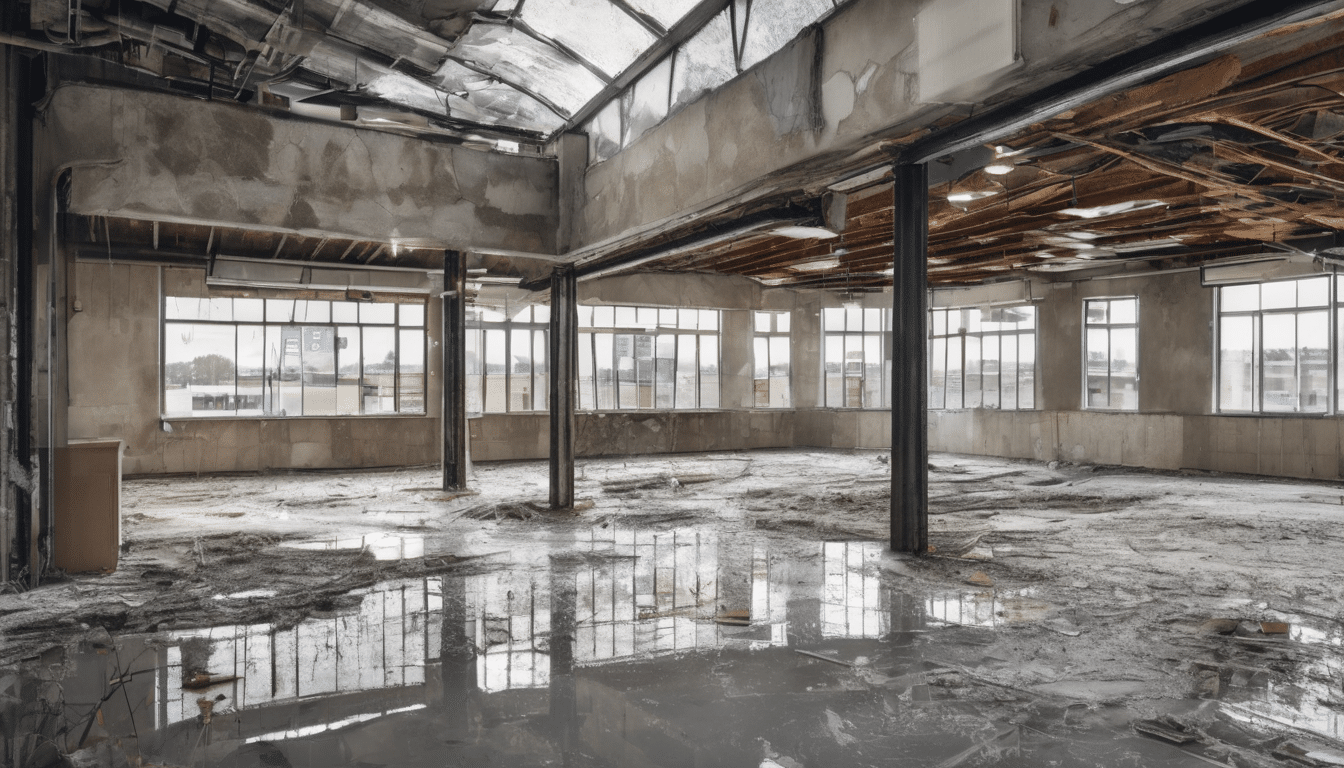
Post-remediation verification for commercial properties is the scientific process of confirming that mold remediation has been successfully completed and the indoor environment has been restored to acceptable conditions. This critical quality assurance step involves comprehensive testing, visual inspection, and documentation to validate that all contamination has been properly addressed and the underlying moisture issues resolved. In Dubai’s commercial real estate market, where high-rise offices, shopping malls, and hospitality venues demand rigorous health standards, proper Post-Remediation Verification for commercial properties becomes essential for protecting occupant health and maintaining business continuity.
The importance of post-remediation verification for commercial properties cannot be overstated, particularly in the UAE’s climate where humidity and air conditioning systems create ideal conditions for mold recurrence. Without proper verification, commercial property owners risk incomplete remediation, continued health concerns for occupants, and potential liability issues. A thorough post-remediation verification for commercial properties process ensures that the substantial investment in remediation delivers lasting results and provides documented evidence that the property meets international indoor air quality standards.
Understanding Post-Remediation Verification for Commercial Properties
Post-remediation verification for commercial properties represents the final and most critical phase of any mold remediation project. This process goes beyond simple visual inspection to include scientific testing and measurement that confirms the remediation has effectively addressed both the visible mold and any hidden contamination. The verification process for commercial properties typically occurs after all remediation work has been completed but before reconstruction begins, allowing for any necessary corrective actions without additional demolition costs.
In commercial settings, post-remediation verification for commercial properties must account for the complex nature of large buildings, including multiple zones, varied occupancy patterns, and sophisticated HVAC systems. The verification process assesses whether the remediation has achieved the predetermined clearance criteria established during the initial assessment phase. These criteria typically include visual cleanliness, acceptable moisture levels, and air quality parameters that indicate the absence of elevated mold spores or other contaminants.
Why Verification Differs for Commercial Properties
Commercial properties present unique challenges for post-remediation verification that distinguish them from residential applications. The scale of commercial buildings, often spanning thousands of square metres, requires strategic sampling plans and multiple assessment points. HVAC systems in commercial properties are typically more complex, with central air handling units serving multiple zones, making cross-contamination a significant concern that must be addressed during verification.
Post-remediation Verification For Commercial Properties – Key Components of Verification Process
The post-remediation verification for commercial properties process comprises three primary components: visual inspection, moisture assessment, and air quality testing. Each component provides critical data that, when combined, offers a comprehensive picture of remediation success. Visual inspection confirms that all visible mold has been removed and surfaces are clean and free of dust and debris. This includes examination of both the remediated areas and adjacent spaces that might have been affected during the remediation process.
Moisture assessment is equally critical in post-remediation verification for commercial properties, as elevated moisture levels indicate conditions conducive to mold regrowth. Using professional moisture meters and thermal imaging cameras, verification specialists measure moisture content in building materials to ensure levels are within acceptable ranges. In Dubai’s climate, where relative humidity often exceeds 80%, moisture verification must be particularly thorough to prevent rapid mold recurrence.
Air Quality Testing Protocols
Air quality testing forms the scientific foundation of post-remediation verification for commercial properties. This involves collecting air samples from both inside the remediated area and from control locations outside the building or in unaffected areas. Laboratory analysis of these samples provides quantitative data on spore concentrations, allowing for comparison with baseline conditions and established clearance criteria. Proper air testing requires strategic sampling locations and controlled conditions to ensure accurate results.
Post-remediation Verification For Commercial Properties – Dubai Commercial Verification Requirements
Post-remediation verification for commercial properties in Dubai must consider the unique environmental conditions and regulatory framework of the UAE. The combination of high outdoor humidity, extensive air conditioning use, and modern building materials creates specific challenges that influence verification protocols. Commercial properties in Dubai often feature complex building envelopes with potential for interstitial condensation, requiring specialized assessment techniques during verification.
While the UAE does not have specific legislation governing mold remediation verification, commercial property owners are increasingly adopting international standards such as those published by the Institute of Inspection, Cleaning and Restoration Certification (IICRC) and the American Industrial Hygiene Association (AIHA). These standards provide clear guidelines for post-remediation verification for commercial properties, including acceptable spore count thresholds, moisture level limits, and documentation requirements. Many international companies operating in Dubai require compliance with these standards as part of their corporate health and safety policies.
Climate Considerations
The extreme summer temperatures and high humidity levels in Dubai significantly impact post-remediation verification for commercial properties. Verification must account for the potential of condensation within building assemblies, particularly in areas where cold air conditioning meets warm humid air. Thermal imaging becomes particularly valuable in these conditions, helping identify hidden moisture issues that might not be apparent through visual inspection alone.
Visual Assessment Techniques
Visual assessment forms the foundation of post-remediation verification for commercial properties, providing the first indication of remediation success. This process involves meticulous examination of all remediated surfaces under appropriate lighting conditions, often using high-intensity lamps to reveal subtle residues or remaining contamination. The visual assessment must be conducted by trained professionals who understand what constitutes acceptable cleanliness in post-remediation environments.
During visual post-remediation verification for commercial properties, inspectors examine not only the primary remediation areas but also adjacent spaces, ventilation systems, and building contents. They look for signs of dust, debris, visible mold growth, water stains, and other indicators of incomplete remediation. The assessment also evaluates the condition of containment barriers, if used, to ensure they were properly maintained throughout the remediation process and effectively prevented cross-contamination.
Documentation Standards
Proper documentation is essential during visual post-remediation verification for commercial properties. This includes detailed notes, photographs, and video recordings that provide evidence of conditions observed. High-resolution photography is particularly important for documenting areas that were previously contaminated, showing the successful removal of mold and restoration of clean conditions. This visual documentation becomes part of the permanent record demonstrating due diligence in addressing the contamination.
Moisture Measurement Protocols
Moisture measurement represents a critical technical component of post-remediation verification for commercial properties. Since moisture is the fundamental requirement for mold growth, verifying that moisture levels have been properly controlled is essential for preventing recurrence. Professional moisture meters, including both pin-type and non-invasive models, are used to measure moisture content in various building materials including drywall, wood, concrete, and insulation.
Thermal imaging cameras have become indispensable tools in post-remediation verification for commercial properties, allowing inspectors to identify hidden moisture issues without destructive testing. These infrared cameras detect temperature variations that indicate moisture presence within building assemblies. In large commercial properties, thermal imaging surveys can quickly assess vast areas, identifying potential problem zones that require more detailed moisture measurement. The combination of moisture meters and thermal imaging provides comprehensive moisture assessment during verification.
Acceptable Moisture Levels
Establishing acceptable moisture levels is a key aspect of post-remediation verification for commercial properties. These thresholds vary depending on the material type and environmental conditions. For example, wood materials typically should have moisture content below 16%, while concrete and masonry may have different acceptable levels. The verification process must reference appropriate standards and consider the specific conditions within each commercial property when evaluating moisture measurements.
Air Quality Testing Methods
Air quality testing provides the scientific validation component of post-remediation verification for commercial properties. This process involves collecting air samples using spore trap samplers that capture airborne particles for laboratory analysis. The samples are typically collected from multiple locations within the remediated area, as well as from control locations outside the building or in unaffected areas for comparison. Proper sampling protocol requires controlled conditions, including closed windows and doors and HVAC systems operating normally.
Laboratory analysis of air samples provides quantitative data on spore concentrations and types present in the air. This data is compared against pre-remediation baseline measurements and established clearance criteria to determine if the remediation has been successful. The post-remediation verification for commercial properties must demonstrate that spore levels inside the remediated area are similar to or lower than outdoor levels and significantly reduced from pre-remediation conditions. Species identification can also provide important information about the success of remediation efforts.
Sampling Strategy
Developing an appropriate sampling strategy is crucial for effective post-remediation verification for commercial properties. The number and location of samples should be determined based on the size of the remediated area, the complexity of the space, and the specific concerns identified during the project. Strategic placement of air samples near previously contaminated areas, ventilation supply and return vents, and occupancy zones ensures comprehensive assessment of air quality throughout the commercial property.
Documentation and Reporting Standards
Comprehensive documentation is the final critical element of post-remediation verification for commercial properties. The verification report serves as the official record demonstrating that the remediation has been successfully completed and the property meets established clearance criteria. This documentation is essential for commercial property owners, tenants, insurance companies, and regulatory authorities who require evidence that health concerns have been properly addressed.
A proper post-remediation verification for commercial properties report should include executive summary, methodology description, detailed findings from visual inspection, moisture assessment results, air quality testing data with laboratory reports, photographs documenting conditions, and a clear statement of compliance with clearance criteria. The report should also include recommendations for any additional actions needed and guidance for preventing future moisture issues. This comprehensive documentation provides valuable protection for commercial property owners against future claims related to the contamination.
Legal and Insurance Considerations
The documentation generated during post-remediation verification for commercial properties often serves important legal and insurance purposes. Insurance companies may require verification reports before processing claims related to water damage and mold remediation. Commercial property transactions increasingly include requirements for indoor air quality assessments and remediation documentation. Proper verification reports can demonstrate due diligence and help protect property owners from liability related to indoor environmental quality issues.
Expert Tips for Successful Verification
Successful post-remediation verification for commercial properties requires careful planning and execution. Begin the verification process only after all remediation work is complete and surfaces are dry and visually clean. Ensure proper documentation throughout the remediation process to support verification findings. Use multiple assessment methods including visual inspection, moisture measurement, and air testing to obtain comprehensive data.
Engage qualified professionals with specific experience in post-remediation verification for commercial properties to conduct the assessment. Ensure verification includes assessment of HVAC systems, which can harbour contamination and redistribute spores throughout the building. Consider environmental conditions during verification, particularly in Dubai’s climate where high humidity can affect results. Finally, maintain clear communication with all stakeholders throughout the verification process to ensure understanding and acceptance of findings.
Frequently Asked Questions
How long does post-remediation verification for commercial properties typically take? The duration varies based on property size and complexity, but most commercial verifications require 1-3 days for assessment and additional time for laboratory analysis and reporting.
What happens if verification identifies ongoing issues? If verification identifies incomplete remediation or ongoing moisture problems, the remediation contractor must address these issues before verification can be completed. Additional remediation may be required followed by re-verification.
How much does professional verification cost for commercial properties? Costs for post-remediation verification for commercial properties in Dubai typically range from AED 5,000 to AED 20,000 depending on property size, sampling requirements, and complexity of the assessment.
Who should perform the verification assessment? Verification should be conducted by independent professionals not involved in the remediation work to ensure objectivity. Qualified indoor environmental consultants with specific experience in commercial properties are ideal.
Conclusion
Post-remediation verification for commercial properties represents the essential final step in ensuring successful mold remediation and protecting occupant health. Through comprehensive visual assessment, moisture measurement, and air quality testing, verification provides scientific validation that contamination has been properly addressed and the indoor environment restored to acceptable conditions. For commercial property owners in Dubai and throughout the UAE, investing in proper post-remediation verification for commercial properties provides peace of mind, documentation for stakeholders, and protection against future liability issues related to indoor environmental quality.