
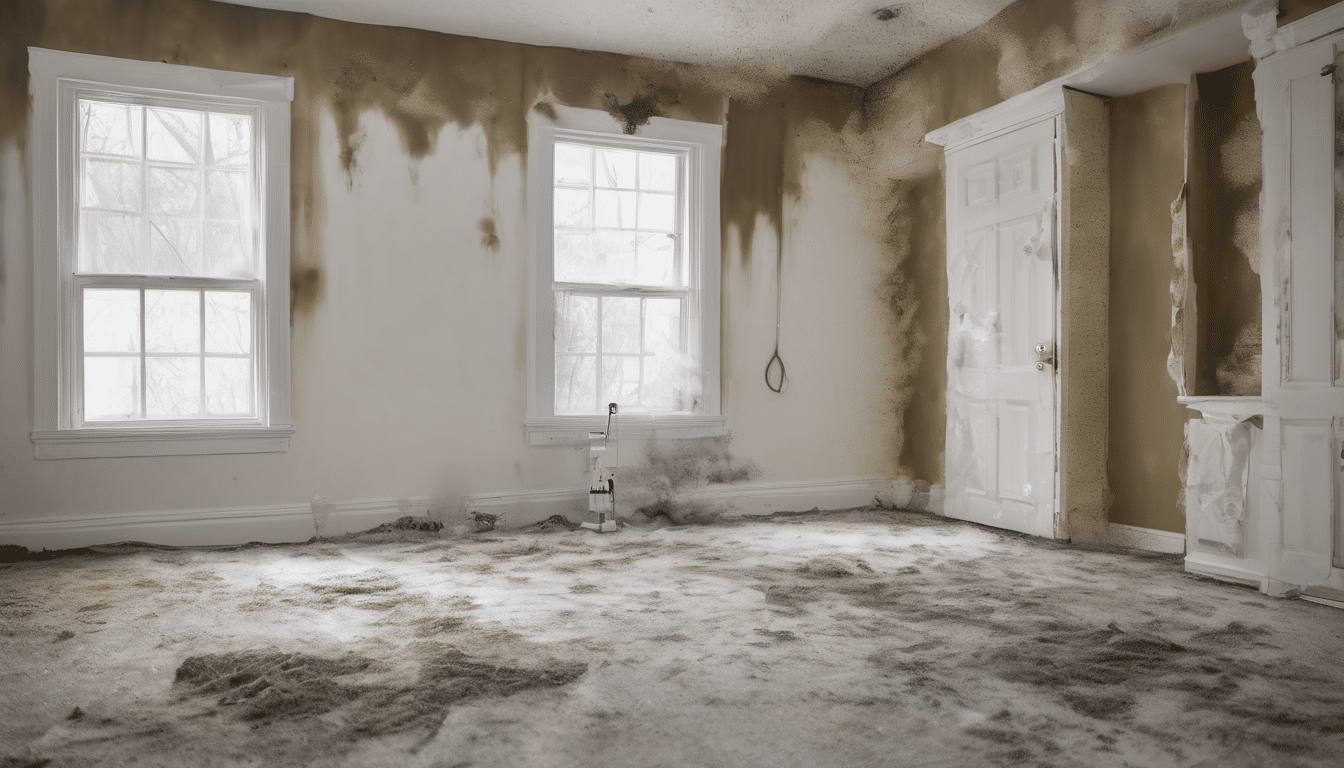
Testing negative pressure during mold remediation represents one of the most critical containment verification processes in professional mold removal. In Dubai’s climate-controlled indoor environments, where air conditioning systems constantly recirculate air, establishing and maintaining proper negative pressure prevents microscopic mold spores from migrating to clean areas during remediation work. Without rigorous testing negative pressure during mold remediation, even the most thorough cleaning procedures can inadvertently contaminate adjacent spaces, leading to cross-contamination and potential health concerns for building occupants.
The science behind testing negative pressure during mold remediation involves creating a pressure differential that ensures air flows into the containment area rather than escaping from it. This air movement directionality is achieved through strategic placement of negative air machines equipped with HEPA filtration, which exhaust filtered air outside the workspace while drawing contaminated air inward. Proper testing negative pressure during mold remediation confirms that this containment barrier remains intact throughout the project, protecting both workers and building occupants from exposure to airborne contaminants.
In the UAE’s construction environment, where many buildings feature open floor plans and interconnected ventilation systems, testing negative pressure during mold remediation becomes particularly challenging yet absolutely essential. This guide will explore the comprehensive procedures, equipment requirements, and verification protocols necessary for effective testing negative pressure during mold remediation in residential and commercial properties throughout Dubai, Abu Dhabi, and the surrounding Emirates.
Testing Negative Pressure During Mold Remediation – Understanding Negative Pressure Containment Principles
Testing negative pressure during mold remediation begins with understanding the fundamental physics of air pressure differentials. Negative pressure containment creates a situation where the air pressure inside the remediation area is lower than the pressure in adjacent spaces. This pressure differential ensures that any air movement occurs from clean areas into the contained workspace, preventing contaminated air from escaping. The principle is measured in Pascals (Pa), with industry standards typically requiring a minimum differential of 5 Pa for effective containment during mold remediation projects.
When conducting testing negative pressure during mold remediation, professionals must consider multiple factors that affect pressure stability. The size of the containment area, the number and placement of negative air machines, the integrity of containment barriers, and external environmental conditions all influence pressure readings. In Dubai’s high-rise buildings, stack effect (vertical air movement through building shafts) can significantly impact pressure differentials, requiring additional considerations during testing negative pressure during mold remediation procedures.
The relationship between air changes per hour (ACH) and pressure differential is crucial in testing negative pressure during mold remediation. While ACH refers to how frequently the air within the containment is replaced, pressure differential ensures directional airflow. Proper testing negative pressure during mold remediation verifies that both parameters meet industry standards, typically 4-6 air changes per hour combined with the 5 Pa minimum pressure differential. This dual verification approach ensures comprehensive containment effectiveness throughout the remediation process.
Testing Negative Pressure During Mold Remediation – Essential Equipment for Pressure Testing
Professional testing negative pressure during mold remediation requires specific instrumentation designed to measure subtle pressure differences accurately. The primary tool is a micromanometer or digital pressure gauge capable of measuring differential pressure in Pascals with at least 0.1 Pa resolution. These devices typically feature two ports connected to tubing that extends to the areas being compared—one inside the containment and one in the adjacent clean area. Quality equipment for testing negative pressure during mold remediation represents an investment of approximately AED 2,500 to AED 7,000 for professional-grade instruments.
Supplementary equipment for testing negative pressure during mold remediation includes smoke pencils or theatrical fog machines for visual confirmation of airflow direction. These tools generate visible smoke that demonstrates air movement patterns at containment barriers, providing visual validation of pressure differential readings. Additionally, anemometers measure air velocity at exhaust points, while magnehelic gauges offer continuous pressure monitoring throughout the remediation process. Each tool plays a specific role in comprehensive testing negative pressure during mold remediation protocols.
Calibration and maintenance of equipment for testing negative pressure during mold remediation are non-negotiable requirements for accurate measurements. Professional remediation companies in Dubai should maintain calibration records traceable to national standards, with instruments recalibrated annually or according to manufacturer specifications. Proper storage and handling prevent damage to sensitive diaphragms and sensors in pressure measurement devices, ensuring reliable results when testing negative pressure during mold remediation in demanding field conditions.
Testing Negative Pressure During Mold Remediation – Step-by-Step Testing Procedures
Testing negative pressure during mold remediation follows a systematic procedure that begins with establishing the containment system. After erecting plastic barriers and installing the negative air machine, technicians initiate airflow and allow the system to stabilize for 15-20 minutes before taking initial measurements. The first step in testing negative pressure during mold remediation involves placing the reference tube in the clean area adjacent to the containment, typically about 1.5 metres from the barrier at breathing height.
The measurement phase of testing negative pressure during mold remediation requires taking readings at multiple locations around the containment perimeter. Technicians should test near all entry points, around utility penetrations, and at various heights to identify potential leakage points. During testing negative pressure during mold remediation, professionals document each reading along with its specific location, creating a pressure map of the containment system. This comprehensive approach ensures no area of potential compromise goes undetected during the verification process.
Ongoing monitoring represents the final phase of testing negative pressure during mold remediation. Pressure differentials should be checked at minimum at the beginning of each work shift, after any changes to the containment system, and following breaks in the plastic barriers for material movement. Continuous monitoring devices provide the most reliable data for testing negative pressure during mold remediation, alerting technicians immediately if pressure drops below acceptable levels during work activities that might compromise containment integrity.
Documentation and Verification Protocols
Comprehensive documentation is essential for professional testing negative pressure during mold remediation projects. Each pressure reading should be recorded with timestamp, location, measured value, and equipment identification. This documentation serves both as quality assurance during the project and as verification for clients and regulatory bodies. Proper records of testing negative pressure during mold remediation demonstrate adherence to industry standards and provide defensible data in case of future questions about containment effectiveness.
Verification protocols for testing negative pressure during mold remediation often include photographic evidence of pressure gauge readings and smoke testing results. Many professional remediation companies in Dubai supplement digital pressure readings with video documentation showing smoke tests at barrier interfaces. This multi-method approach to testing negative pressure during mold remediation provides overlapping verification that satisfies both technical requirements and client assurance needs. The complete documentation package typically becomes part of the final project report delivered to property owners.
Third-party verification has become increasingly common in testing negative pressure during mold remediation, particularly for large commercial projects or sensitive environments like healthcare facilities. Independent environmental consultants may be engaged to validate pressure readings and containment integrity, adding an additional layer of credibility to the testing negative pressure during mold remediation process. This independent verification typically costs between AED 1,500 and AED 4,000 depending on project size and complexity, providing valuable assurance for all stakeholders involved.
Common Mistakes in Pressure Testing
One frequent error in testing negative pressure during mold remediation involves improper placement of measurement tubing. When tubes are placed too close to air currents from HVAC vents, doors, or windows, readings become unreliable. Proper testing negative pressure during mold remediation requires placement in still air locations representative of general conditions in each area. Another common mistake involves failing to account for building pressure dynamics, particularly in Dubai’s high-rise structures where stack effect can create significant vertical air movement.
Inadequate calibration represents another critical error in testing negative pressure during mold remediation. Using uncalibrated equipment or failing to zero instruments before use can produce false readings that suggest adequate containment when none exists. Similarly, neglecting to test at multiple locations around the containment perimeter represents a serious omission in testing negative pressure during mold remediation protocols. Pressure differentials can vary significantly around a containment area, and single-point testing provides incomplete information about overall containment integrity.
Perhaps the most dangerous mistake in testing negative pressure during mold remediation is assuming that initial adequate pressure will remain stable throughout the project. Containment integrity can be compromised by work activities, material movement, or changes in environmental conditions. Regular re-testing is essential for valid testing negative pressure during mold remediation, with industry standards requiring verification at minimum at the start of each work period and after any containment breach or modification.
Dubai-Specific Considerations for Testing
Testing negative pressure during mold remediation in Dubai presents unique challenges related to the region’s climate and building practices. The extreme outdoor temperatures (frequently exceeding 40°C) create significant temperature differentials between air-conditioned interiors and containment areas where negative air machines may be drawing in outdoor air. These temperature differences affect air density and consequently pressure measurements, requiring adjustments during testing negative pressure during mold remediation in UAE conditions.
The prevalence of marble and tile flooring in Dubai properties affects testing negative pressure during mold remediation due to difficulties in achieving airtight seals at floor-barrier interfaces. Unlike carpeted floors where plastic can be sealed effectively, hard surfaces require specialized sealing techniques using foam tape, caulk, or other sealants to prevent air leakage. These sealing challenges must be addressed before meaningful testing negative pressure during mold remediation can be conducted in typical Dubai residences and commercial spaces.
Dubai’s building regulations and landlord-tenant relationships also influence testing negative pressure during mold remediation protocols. In multi-unit buildings, remediation professionals must consider adjacent units and common areas when establishing containment and conducting testing negative pressure during mold remediation. Communication with building management and neighboring occupants becomes essential, particularly when negative air machines exhaust to common areas or when pressure differentials might affect adjacent spaces in tightly constructed modern buildings.
Expert Tips for Effective Testing
Experience has shown several best practices for reliable testing negative pressure during mold remediation. First, establish baseline pressure readings in the building before setting up containment to understand natural pressure relationships between spaces. This baseline assists in interpreting results during actual testing negative pressure during mold remediation. Second, use multiple verification methods simultaneously—combining digital pressure readings with visual smoke tests provides the most comprehensive assessment of containment integrity.
Third, consider investing in continuous monitoring systems for testing negative pressure during mold remediation, particularly for large projects or sensitive environments. These systems provide real-time alerts if pressure drops below predetermined thresholds, allowing immediate corrective action. Fourth, train all team members on the importance of containment integrity and basic principles of testing negative pressure during mold remediation. When every technician understands how their actions affect pressure differentials, they become partners in maintaining proper containment throughout the project.
Finally, document everything during testing negative pressure during mold remediation—not just the numbers but the conditions, equipment used, and any observations that might affect interpretation. This comprehensive documentation creates a defensible record of due diligence and provides valuable reference data for future projects with similar conditions or challenges.
FAQ: Pressure Testing Questions
How often should pressure be tested during mold remediation?
Testing negative pressure during mold remediation should occur at minimum at the beginning of each work shift, after any break in containment for material movement, and following any event that might compromise barrier integrity. Continuous monitoring provides the most reliable approach for ongoing verification throughout the remediation process.
What is the acceptable pressure differential for mold containment?
Industry standards typically require a minimum differential of 5 Pascals (Pa) when testing negative pressure during mold remediation. Some guidelines specify 5-7 Pa as the target range, with higher differentials sometimes necessary in challenging environments with significant air movement issues.
Can negative pressure be too high during mold remediation?
Excessive negative pressure (typically above 15-20 Pa) can create problems including difficulty maintaining barrier integrity, excessive energy consumption, and potential structural issues in extreme cases. Proper testing negative pressure during mold remediation aims for the minimum effective differential rather than maximum possible pressure.
Conclusion
Testing negative pressure during mold remediation represents a critical quality control measure that separates professional remediation from inadequate attempts at mold removal. The process requires specific equipment, systematic procedures, and ongoing vigilance throughout the project duration. In Dubai’s unique building environment, where climate control systems and construction materials present special challenges, proper testing negative pressure during mold remediation becomes even more essential for protecting both workers and building occupants from cross-contamination.
The investment in proper equipment and training for testing negative pressure during mold remediation pays dividends through improved project outcomes, reduced callbacks, and enhanced professional reputation. As mold awareness continues to grow in the UAE, property owners and facility managers increasingly recognize the importance of verified containment procedures, making rigorous testing negative pressure during mold remediation not just a technical requirement but a business advantage for remediation professionals committed to excellence in their field.