
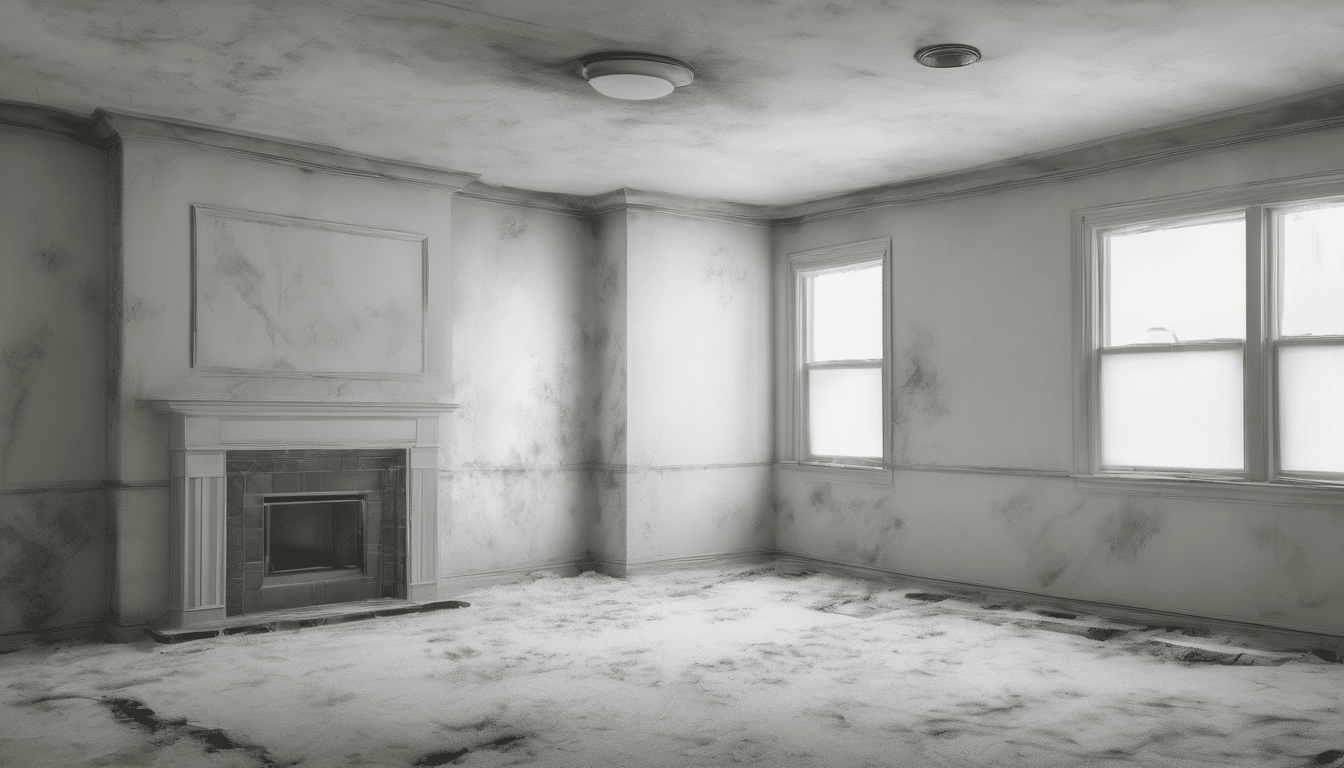
When dealing with mold remediation in Dubai’s climate-controlled buildings, establishing proper negative air pressure setup for mold removal becomes the cornerstone of any successful containment strategy. The high humidity levels combined with air-conditioned environments create unique challenges that demand precise engineering controls. Without adequate negative air pressure setup for mold removal, microscopic mold spores can easily spread throughout your property, contaminating previously clean areas and potentially affecting occupant health.
The fundamental principle behind negative air pressure setup for mold removal is simple yet crucial: creating a pressure differential that ensures air flows into the contained work area rather than escaping from it. This containment approach is particularly important in the UAE’s residential and commercial buildings where shared ventilation systems and tight construction can facilitate rapid cross-contamination. A properly executed negative air pressure setup for mold removal protects both the remediation workers and building occupants while ensuring regulatory compliance.
This comprehensive guide will walk you through the essential components, setup procedures, and verification methods for establishing effective negative air pressure during mold remediation projects. Whether you’re dealing with a small bathroom mold issue or a major water damage restoration project, understanding these principles will help you achieve successful containment and prevent the spread of mold contaminants throughout your property.
Understanding Negative Air Pressure Setup for Mold Removal
The science behind negative air pressure setup for mold removal revolves around creating controlled airflow patterns that contain contaminants within the work area. When properly implemented, this system ensures that air constantly moves from clean areas into the containment zone, preventing mold spores from escaping into unaffected parts of the building. This principle is particularly critical in mold remediation because fungal spores measuring 2-10 microns can easily become airborne and travel through ventilation systems.
In practical terms, negative air pressure setup for mold removal involves using specialized air filtration devices equipped with HEPA filters to exhaust air from the contained space to the outside environment. The air removal rate must exceed the air infiltration rate, typically achieving a pressure differential of 5-7 Pascals relative to adjacent areas. This slight vacuum effect ensures that any leaks in the containment barriers will result in air flowing into rather than out of the work area, effectively trapping contaminants within the designated space.
Physics of Air Pressure Differential
The effectiveness of negative air pressure setup for mold removal depends on maintaining consistent pressure differentials throughout the remediation process. Air naturally moves from areas of higher pressure to lower pressure, and by maintaining negative pressure inside the containment area, we ensure that any airborne particles remain confined. This physical principle becomes especially important when working with toxic mold species that can cause health issues if dispersed throughout living spaces.
Negative Air Pressure Setup For Mold Removal – Essential Equipment for Proper Containment
Implementing an effective negative air pressure setup for mold removal requires specific equipment designed for environmental containment. The cornerstone of this system is the negative air machine (NAM), also known as an air scrubber, which must be equipped with true HEPA filtration capable of capturing 99.97% of particles as small as 0.3 microns. These machines typically range from AED 8,000 to AED 25,000 depending on capacity and features, with rental options available at approximately AED 400-800 per day.
Additional essential equipment includes heavy-duty polyethylene sheeting (6 mil thickness minimum) for creating containment barriers, zipper doors for access while maintaining seal integrity, and ducting materials for directing exhaust air appropriately. Pressure monitoring devices such as magnehelic gauges or digital manometers are crucial for verifying that the negative air pressure setup for mold removal is functioning correctly, with accurate readings between 5-15 Pascals differential pressure.
| Equipment Type | Purpose | Cost Range (AED) |
|---|---|---|
| HEPA Negative Air Machine | Air filtration and exhaust | 8,000 – 25,000 |
| 6 mil Polyethylene Sheeting | Containment barriers | 150 – 400 per roll |
| Zipper Door Systems | Access while maintaining seal | 200 – 600 each |
| Pressure Monitoring Gauge | Verification of pressure differential | 800 – 2,500 |
| Ducting and Adaptors | Directing exhaust air | 100 – 300 per project |
Negative Air Pressure Setup For Mold Removal: Step-by-Step Setup Procedure
Establishing a proper negative air pressure setup for mold removal begins with thorough preparation of the work area. First, seal all ventilation openings, electrical outlets, and potential air leakage points within the containment zone using polyethylene sheeting and duct tape. Create a dedicated entrance using a zippered doorway system that maintains the integrity of the containment barrier while allowing access for workers and equipment.
Position the negative air machine inside the containment area, ensuring it’s placed away from the entrance to minimize disturbance of the pressure differential. Connect flexible ducting to the exhaust port of the machine and route it to an appropriate discharge location outside the building, typically through a window or temporary opening. The exhaust point should be positioned to prevent re-entry of contaminated air into the building through other openings or ventilation intakes.
Once the physical setup is complete, activate the negative air machine and begin monitoring the pressure differential using your magnehelic gauge or digital manometer. Adjust the machine’s airflow rate until you achieve a consistent negative pressure of 5-7 Pascals relative to adjacent areas. This negative air pressure setup for mold removal must be maintained throughout the remediation process, with continuous monitoring to ensure the system remains effective despite door openings and other disturbances.
Pressure Monitoring and Verification
Continuous monitoring is essential for maintaining an effective negative air pressure setup for mold removal. Professionals use magnehelic gauges or digital manometers to measure the pressure differential between the containment area and adjacent spaces. These instruments provide real-time feedback, allowing technicians to adjust airflow rates as needed to maintain the target negative pressure of 5-7 Pascals throughout the remediation process.
Verification should occur at multiple locations around the containment barrier, particularly near doorways, ventilation points, and potential leakage areas. The negative air pressure setup for mold removal must be checked at the beginning of each work shift and after any significant changes to the containment structure. Documentation of pressure readings should be maintained as part of the project records, providing evidence of proper containment for clients and regulatory purposes.
Calibration and Accuracy
Pressure monitoring equipment used in negative air pressure setup for mold removal should be calibrated regularly to ensure accuracy. Digital manometers typically offer higher precision than analog gauges, with resolutions of 0.1 Pascal or better. Proper calibration ensures that your negative air pressure setup for mold removal maintains the precise pressure differential needed for effective containment without excessive energy consumption or noise generation.
Common Mistakes to Avoid
One of the most frequent errors in negative air pressure setup for mold removal involves inadequate sealing of containment barriers. Even small gaps around electrical outlets, light fixtures, or door frames can compromise the entire system, allowing contaminated air to escape into clean areas. Another common mistake is improper sizing of the negative air machine—units that are too small cannot maintain adequate negative pressure, while oversized units may create excessive turbulence that disturbs settled spores.
Many DIY attempts at negative air pressure setup for mold removal fail due to incorrect exhaust placement. Discharging contaminated air too close to building openings, ventilation intakes, or occupied areas can lead to re-entry of mold spores, defeating the purpose of containment. Additionally, neglecting to monitor pressure differentials throughout the project often results in undetected system failures that allow cross-contamination to occur unnoticed.
Another critical error involves using non-HEPA filtration in the negative air setup. Standard vacuum filters or low-efficiency particulate air filters cannot capture mold spores effectively, potentially distributing contaminants rather than containing them. Professional-grade negative air pressure setup for mold removal always requires true HEPA filtration to ensure that exhausted air is properly cleaned before being released from the containment area.
Dubai-Specific Considerations
The unique climate and building practices in Dubai present specific challenges for negative air pressure setup for mold removal. The extreme outdoor temperatures, often exceeding 40°C, require special consideration when exhausting air from containment areas. The temperature differential between air-conditioned interiors and hot exterior environments can create condensation issues that affect both equipment performance and building materials.
Dubai’s high-rise buildings often feature complex ventilation systems that must be properly isolated during negative air pressure setup for mold removal. The positive pressure maintained in many commercial building corridors to prevent smoke infiltration during fires can work against containment efforts, requiring additional negative pressure to overcome these building-wide pressure gradients. Professional mold remediation companies in Dubai must account for these architectural factors when designing containment strategies.
The prevalence of marble and polished surfaces in UAE properties requires careful planning during negative air pressure setup for mold removal. These hard surfaces can create reflection zones where air currents behave differently than in typical drywall environments. Additionally, the common use of false ceilings and complex HVAC systems in Dubai properties demands thorough inspection and sealing to prevent hidden pathways for cross-contamination.
Cost Considerations and Budgeting
Implementing professional negative air pressure setup for mold removal involves significant equipment investment and operational costs. A complete containment system including HEPA negative air machines, poly sheeting, zipper doors, and monitoring equipment typically represents an investment of AED 15,000 to AED 40,000 for remediation companies. For property owners, the cost of professional containment services generally ranges from AED 1,500 to AED 5,000 depending on the project size and complexity.
These costs must be weighed against the potential expenses of cross-contamination, which could require additional remediation work throughout unaffected areas of the property. Inadequate negative air pressure setup for mold removal that results in widespread spore distribution may increase total remediation costs by 200-400%, making proper containment a cost-effective investment despite the initial expense.
Expert Tips for Optimal Performance
Achieving optimal performance in negative air pressure setup for mold removal requires attention to detail and systematic approach. First, always conduct a thorough building assessment before establishing containment, identifying all potential air leakage paths and ventilation connections that must be sealed. Use smoke pencils or theatrical fog to visualize airflow patterns and verify that your negative air pressure setup for mold removal is functioning correctly before beginning remediation work.
Maintain detailed documentation of pressure readings throughout the project, recording measurements at least every two hours and after any containment breach or equipment adjustment. Train all personnel on the importance of maintaining containment integrity, establishing protocols for entering and exiting the work area without compromising the negative pressure environment. These practices ensure consistent performance of your negative air pressure setup for mold removal throughout the remediation process.
Regular equipment maintenance is crucial for reliable negative air pressure setup for mold removal. HEPA filters should be replaced according to manufacturer recommendations or when pressure drop across the filter indicates significant loading. Motors and fan assemblies require periodic inspection to ensure consistent airflow rates, while ducting and connections should be checked for leaks that could reduce system efficiency.
Frequently Asked Questions
How long does it take to establish proper negative air pressure?
A professional team can typically establish verified negative air pressure setup for mold removal within 2-4 hours, including containment barrier construction, equipment placement, and pressure verification. Complex projects with multiple containment zones may require additional time.
Can negative air pressure be maintained in buildings with open floor plans?
Yes, though it requires creative containment strategies. Temporary walls constructed from polyethylene sheeting and framing systems can create effective containment barriers in open spaces, allowing proper negative air pressure setup for mold removal even in challenging architectural environments.
What happens if the negative pressure is lost during remediation?
All remediation activities must immediately cease if negative pressure is lost. The area should be re-contained and proper negative air pressure setup for mold restoration re-established before work resumes. Air monitoring may be necessary to assess whether cross-contamination occurred during the pressure loss.
Proper negative air pressure setup for mold removal represents a critical component of professional mold remediation, ensuring that contamination is contained within the work area and prevented from spreading to clean spaces. By understanding the principles, equipment requirements, and verification methods discussed in this guide, property owners and remediation professionals can implement effective containment strategies that protect both building occupants and the broader indoor environment.