
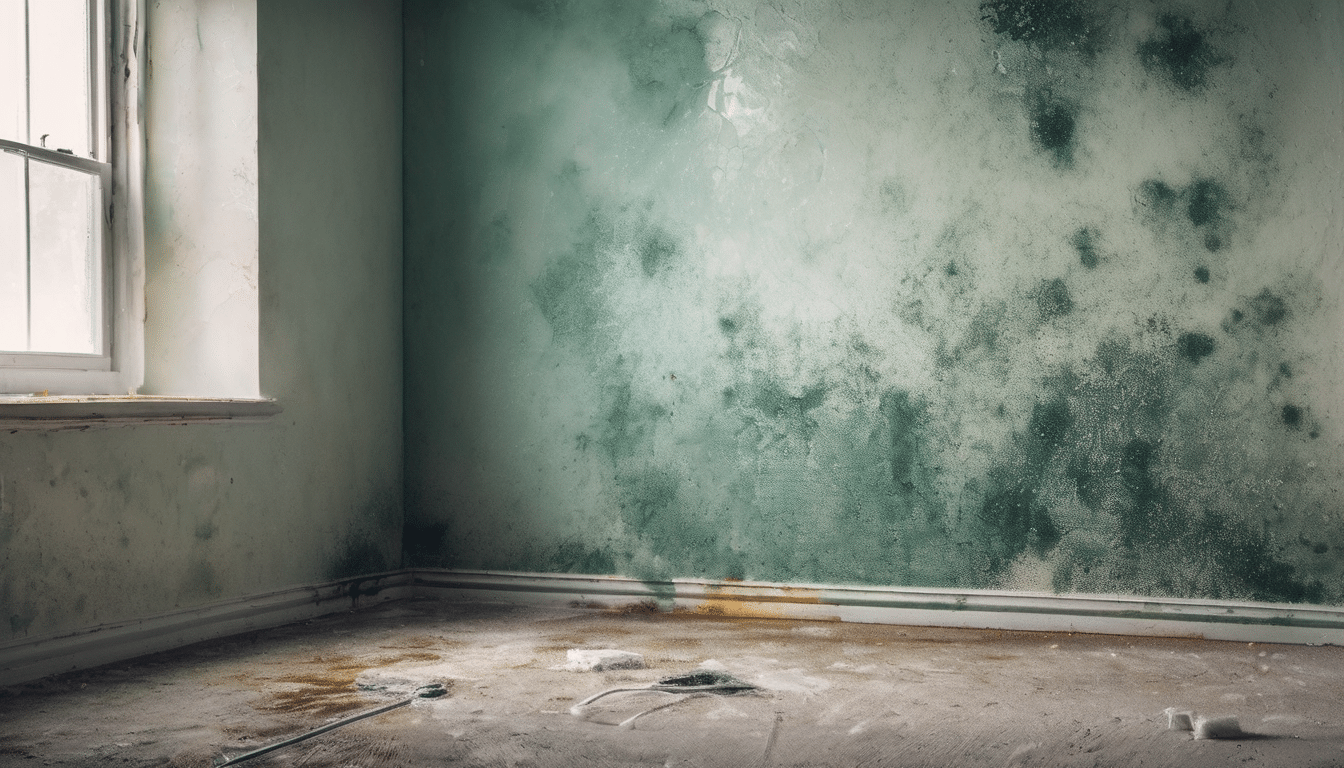
When facing mold issues in your Dubai home or commercial property, one of the most common questions we encounter is: Does mold remediation always require new paint? This question reveals a fundamental misunderstanding about what proper mold remediation entails and how it differs from cosmetic cover-ups. As an indoor environmental consultant with over two decades of experience in the UAE, I’ve seen countless properties where previous “remediation” involved simply painting over mold—only for the problem to resurface weeks or months later.
The straightforward answer is no, mold remediation does not always require new paint. In fact, painting is often the final cosmetic step in a properly executed remediation process, not the remediation itself. True mold remediation focuses on removing the mold at its source, addressing the underlying moisture problem, and ensuring the environment is properly dried and cleaned. Painting serves primarily to restore appearance and provide an additional barrier against future growth, but it should never be mistaken for the actual remediation work. This relates directly to Does Mold Remediation Always Require New Paint.
This comprehensive guide will explore the complex relationship between mold remediation and painting, examining when new paint is necessary, when it’s optional, and when it might actually be counterproductive. We’ll discuss UAE-specific considerations, proper protocols, and common misconceptions that homeowners and property managers should understand before undertaking any mold-related work.
Does Mold Remediation Always Require New Paint – Understanding Mold Remediation and Paint Relationship
To properly address whether mold remediation always requires new paint, we must first understand what constitutes actual remediation versus cosmetic treatment. Mold remediation involves the complete removal of mold colonies, addressing moisture sources, and restoring indoor environmental conditions to prevent recurrence. Painting, when done correctly after proper remediation, serves as a protective finish that can help prevent future mold growth by creating a less hospitable surface.
In the UAE’s climate, where high humidity and air conditioning create ideal conditions for mold growth, the relationship between remediation and painting becomes particularly important. Many property owners mistakenly believe that painting over visible mold constitutes remediation, when in reality, this approach often traps moisture and mold spores beneath the paint, creating ideal conditions for continued growth hidden from view. When considering Does Mold Remediation Always Require New Paint, this becomes clear.
Proper mold remediation should always precede any painting work. The process involves containment of affected areas, removal of contaminated materials where necessary, thorough cleaning of salvageable surfaces, drying to appropriate moisture levels, and verification through post-remediation testing. Only after these steps are completed successfully should painting be considered as the final step in restoring the appearance of the treated area.
Does Mold Remediation Always Require New Paint – When Painting Is Necessary in Mold Remediation
There are specific scenarios where new paint is not just recommended but necessary following mold remediation. When porous materials like drywall or plaster have been affected by mold, even after proper cleaning, microscopic hyphae (root structures) may remain embedded in the material. In these cases, painting with mold-resistant primers and paints creates a protective barrier that prevents residual spores from becoming active again. The importance of Does Mold Remediation Always Require New Paint is evident here.
Another situation where painting becomes essential is when remediation involves partial removal of wall materials. If only sections of drywall were removed and replaced, painting the entire wall surface ensures uniform appearance and prevents visible patches or colour mismatches. This is particularly important in visible areas of homes and offices where aesthetic consistency matters.
In cases where mold staining has penetrated deeply into porous surfaces, even after professional cleaning, some discolouration may remain. Quality mould-resistant paint can effectively cover these stains while providing additional protection against future growth. This approach is often more cost-effective than complete material replacement, especially when the structural integrity of the material remains intact. Understanding Does Mold Remediation Always Require New Paint helps with this aspect.
Does Mold Remediation Always Require New Paint – When Painting Is Optional or Cosmetic
Not all mold remediation scenarios require new paint. On non-porous surfaces like glass, metal, or properly sealed wood, thorough cleaning and disinfecting may be sufficient without subsequent painting. If the mold growth was superficial and addressed early, and the original paint remains intact and undamaged, painting might be purely cosmetic rather than necessary for the remediation process.
In hidden areas like attics, crawl spaces, or behind appliances, where appearance is not a concern, painting after remediation may be unnecessary if the surfaces have been properly treated and dried. The priority in these areas is ensuring complete mold removal and moisture control rather than aesthetic restoration. Does Mold Remediation Always Require New Paint factors into this consideration.
When budget constraints exist, property owners might choose to delay painting if the remediation was successful and surfaces are clean and dry. However, this approach requires careful monitoring for any signs of recurrence, as unpainted surfaces may be more vulnerable to future mold growth if moisture issues reoccur.
UAE-Specific Considerations for Paint and Mold
The UAE’s unique climate presents specific considerations for the relationship between mold remediation and painting. High humidity levels, particularly during summer months, require special attention to paint selection and application timing. Standard paints may not perform well in these conditions, leading to premature failure and potential mold recurrence. This relates directly to Does Mold Remediation Always Require New Paint.
Air conditioning systems, essential in UAE properties, create temperature differentials that can lead to condensation on walls and ceilings. This makes the choice of paint particularly important, as moisture-resistant formulations can help reduce surface condensation that might otherwise lead to mold growth behind or on painted surfaces.
Construction practices common in the UAE, including concrete structures with plaster finishes, require specific paint formulations that can handle the alkaline nature of these surfaces. Using inappropriate paints can lead to adhesion problems, peeling, and moisture trapping—all of which can contribute to mold problems despite proper remediation efforts. When considering Does Mold Remediation Always Require New Paint, this becomes clear.
Proper Remediation Protocols Before Painting
Before considering painting after mold remediation, several critical steps must be completed to ensure long-term success. Surface preparation is paramount—all visible mold must be removed, surfaces cleaned with appropriate antimicrobial agents, and the area thoroughly dried to achieve moisture levels below 15-16% in wood materials and appropriate levels for other substrates.
Testing and verification should precede any painting work. This includes moisture mapping to ensure drying is complete, visual inspection under proper lighting to confirm mold removal, and often air or surface sampling to verify that spore levels have returned to normal. Painting over surfaces that still contain elevated moisture or residual mold contamination will likely lead to rapid recurrence. The importance of Does Mold Remediation Always Require New Paint is evident here.
The timing between remediation completion and painting is crucial. Rushing to paint before proper drying is complete can trap residual moisture, creating ideal conditions for mold regrowth. In the UAE’s humid climate, using professional-grade dehumidifiers and allowing sufficient drying time is essential before applying any paint products.
Common Painting Mistakes to Avoid in Mold Remediation
One of the most serious mistakes in mold remediation is using paint as a primary treatment method. Painting over active mold without proper remediation is like putting a bandage on an infected wound—it covers the problem while allowing it to worsen underneath. This approach often leads to more extensive and costly remediation needs later. Understanding Does Mold Remediation Always Require New Paint helps with this aspect.
Using standard paints instead of mold-resistant formulations is another common error. While mold-resistant paints cost more—typically AED 120-200 per gallon compared to AED 80-150 for standard paints—they contain additives that inhibit mold growth and provide lasting protection. The investment is justified given the potential costs of repeated remediation.
Improper surface preparation before painting can undermine even the best remediation efforts. Skipping cleaning, failing to address underlying moisture issues, or painting over damp surfaces are all practices that guarantee mold recurrence. Proper preparation accounts for at least 70% of painting success, especially in post-remediation scenarios. Does Mold Remediation Always Require New Paint factors into this consideration.
Cost Considerations for Painting in UAE Mold Remediation
The cost implications of painting as part of mold remediation vary significantly based on several factors. For a standard room in a Dubai apartment, professional painting after remediation might cost between AED 800-2,500, depending on room size, surface conditions, and paint quality. This is in addition to the remediation costs, which typically range from AED 1,500-5,000 per affected area.
Mold-resistant paints command a premium price but offer long-term value. In the UAE market, quality mold-resistant paint typically costs AED 130-220 per gallon, compared to AED 80-160 for standard interior paint. The additional investment can prevent recurrence and avoid future remediation costs that might far exceed the paint premium. This relates directly to Does Mold Remediation Always Require New Paint.
When evaluating whether painting is necessary after remediation, consider the cost of not painting. If mold recurs due to inadequate surface protection, the subsequent remediation costs—often including more extensive material replacement—can easily exceed the initial painting investment by 300-500%. This makes preventive painting economically sensible in most remediation scenarios.
Professional vs DIY Approaches to Painting After Remediation
The decision between professional and DIY painting after mold remediation depends on several factors. For small, contained areas with minimal staining, competent DIY painting might be feasible if proper surface preparation is followed. However, for extensive remediation projects or areas with historical moisture problems, professional painting is strongly recommended. When considering Does Mold Remediation Always Require New Paint, this becomes clear.
Professional painters bring expertise in surface preparation, product selection, and application techniques that ensure optimal results. They understand how to handle the specific challenges of post-remediation painting, including dealing with residual staining, ensuring proper adhesion over treated surfaces, and selecting appropriate products for UAE conditions.
DIY attempts at painting after remediation often fail due to inadequate surface preparation, product selection errors, or improper application. These failures can compromise the remediation investment and lead to rapid mold recurrence. The relatively modest additional cost of professional painting—typically 20-30% more than DIY—is usually justified by the assurance of proper protection and aesthetic results. The importance of Does Mold Remediation Always Require New Paint is evident here.
Long-Term Maintenance After Painting
Proper maintenance is essential after painting following mold remediation. Regular monitoring for signs of moisture intrusion or new mold growth helps catch problems early. In UAE properties, paying particular attention to areas prone to condensation—like behind furniture on exterior walls or in poorly ventilated bathrooms—is crucial for preventing recurrence.
Maintaining appropriate indoor humidity levels through proper HVAC operation and ventilation helps preserve the protective qualities of mold-resistant paints. Ideally, indoor relative humidity should be maintained between 40-60% to discourage mold growth while maintaining comfort. Humidity monitors costing AED 150-400 can help property owners maintain these levels. Understanding Does Mold Remediation Always Require New Paint helps with this aspect.
Understanding that paint has a limited lifespan in protecting against mold is important. Even mold-resistant paints gradually lose effectiveness over time, typically providing optimal protection for 5-7 years before recoating may be necessary. Planning for periodic maintenance painting can help maintain continuous protection against mold recurrence.
Expert Tips for Painting After Mold Remediation
Selecting the right products is crucial for successful painting after mold remediation. Look for paints specifically labelled as mold-resistant or containing antimicrobial properties. These products typically incorporate additives that inhibit mold growth on the paint surface. In UAE conditions, also consider paints formulated for high-humidity environments. Does Mold Remediation Always Require New Paint factors into this consideration.
Proper surface preparation cannot be overemphasised. After remediation, ensure surfaces are completely clean, dry, and free of residual contamination. Use appropriate primers—especially stain-blocking primers for any remaining discolouration—before applying finish coats. This extra step ensures better adhesion and more uniform appearance.
Consider the timing of painting relative to seasonal conditions. In the UAE, the cooler months (October-April) often provide better painting conditions with lower humidity and more moderate temperatures. Avoid painting during periods of high humidity or extreme heat, as these conditions can affect paint curing and adhesion. This relates directly to Does Mold Remediation Always Require New Paint.
FAQ: Mold Remediation and Painting
Can I use regular paint after mold remediation?
While technically possible, using regular paint after mold remediation is not recommended. Mold-resistant paints provide additional protection against future growth and are specifically formulated for post-remediation applications. The modest additional cost provides significant long-term benefits in preventing recurrence.
How long should I wait to paint after mold remediation?
The waiting period before painting after mold remediation depends on thorough drying of all surfaces. Typically, this requires 24-72 hours of active drying with professional equipment, followed by moisture verification. Rushing this process risks trapping moisture and causing mold recurrence. When considering Does Mold Remediation Always Require New Paint, this becomes clear.
Does paint kill existing mold?
No, paint does not kill existing mold. Painting over active mold is never recommended, as it simply covers the problem while allowing it to continue growing underneath. Proper remediation must always precede any painting work to ensure complete mold removal.
Are mold-resistant paints worth the extra cost in UAE climate?
Yes, mold-resistant paints are particularly valuable in the UAE’s humid climate. The additional investment of 20-40% over standard paints provides crucial protection against the high humidity conditions that promote mold growth, potentially saving thousands of AED in future remediation costs. The importance of Does Mold Remediation Always Require New Paint is evident here.
Can I paint over mold stains?
Mold stains can often be painted over after proper remediation and cleaning, but may require stain-blocking primers to prevent bleeding through the new paint. However, painting should never be attempted until the underlying mold problem has been completely resolved through proper remediation.
Understanding the relationship between mold remediation and painting is essential for property owners in the UAE. While painting is often part of the restoration process after proper remediation, it should never be mistaken for the remediation itself. Proper mold removal, moisture control, and verification must always precede any painting work to ensure lasting results.
The decision to paint after remediation should be based on the specific circumstances of each case, considering factors like surface porosity, location, aesthetic requirements, and budget. When in doubt, consulting with qualified professionals who understand both mold remediation and proper painting practices can help ensure that your investment in remediation provides lasting protection for your property. Understanding Does Mold Remediation Always Require New Paint is key to success in this area.