
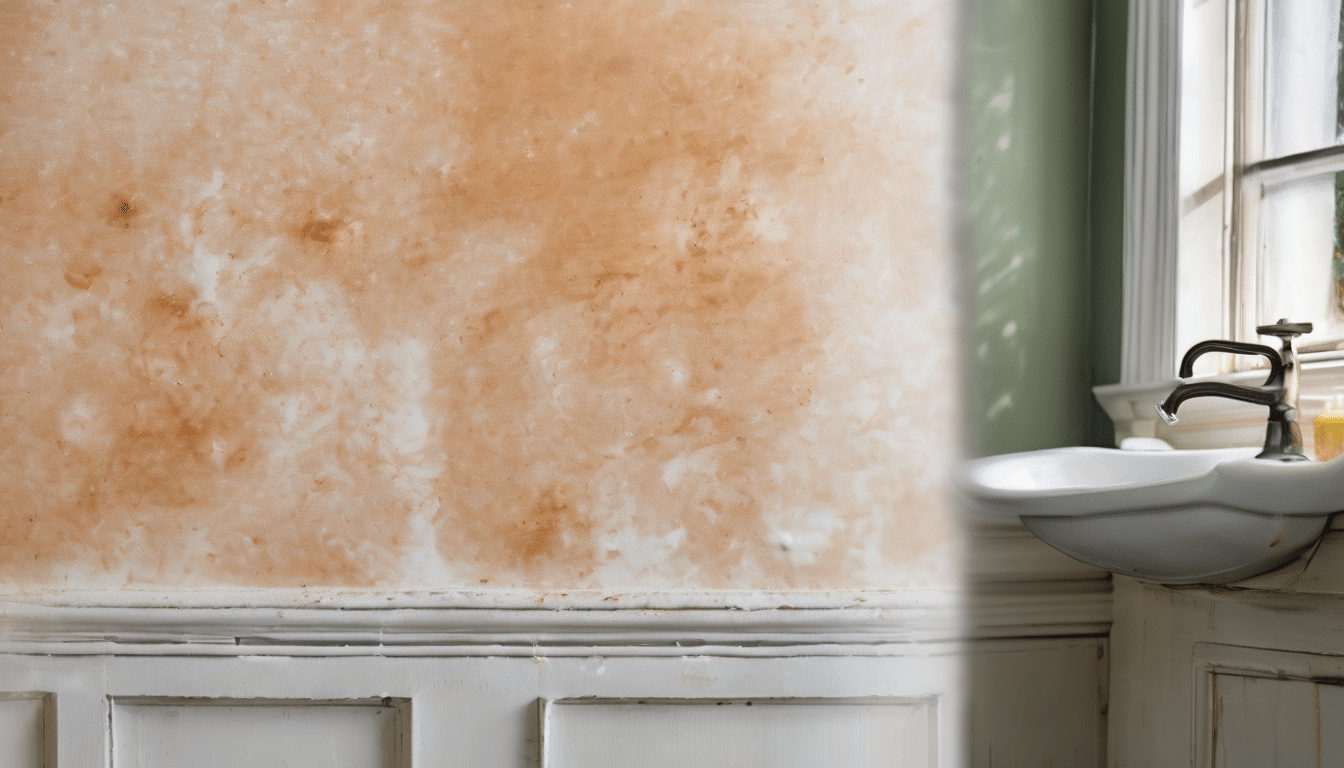
Mold growth on painted surfaces is a common problem in Dubai’s humid climate, particularly in air-conditioned spaces where condensation frequently occurs. Learning How to Properly clean mold from painted surfaces requires understanding both the biological nature of mold and the physical properties of paint. This guide provides scientifically-backed methods for effective mold removal that addresses the root cause rather than just the visible symptoms.
Many homeowners attempt superficial cleaning that only removes surface discolouration, leaving the underlying mold structure intact. Proper mold remediation on painted surfaces involves specific techniques, appropriate cleaning solutions, and thorough drying to prevent regrowth. The process varies depending on whether the mold has penetrated the paint surface or remains superficial.
Understanding how to properly clean mold from painted surfaces begins with assessing the extent of contamination. Surface-level mold that hasn’t compromised the paint film can often be cleaned without repainting, while deeper contamination typically requires complete removal and repainting. This guide will help you determine which approach your situation requires.
Understanding How to Properly Clean Mold From Painted Surfaces
Mold growth on painted surfaces occurs when moisture penetrates the paint film, providing the necessary conditions for fungal development. The porous nature of many paint surfaces allows mold hyphae to embed themselves beneath the surface, making complete removal challenging. Understanding this biological reality is crucial for effective remediation.
Different paint types respond differently to mold contamination. Latex and acrylic paints tend to be more porous and susceptible to mold penetration, while oil-based and mould-resistant paints provide better protection. The age and quality of the paint application also affect how deeply mold can penetrate the surface.
Surface mold appears as discolouration, typically black, green, or brown spots, while deeper contamination may cause paint bubbling, cracking, or peeling. Learning how to properly clean mold from painted surfaces requires accurately assessing whether the mold growth is superficial or has compromised the paint integrity.
Essential Materials and Equipment for How to Properly Clean Mold From Painted Surfaces
Gathering the right materials is essential for learning how to properly clean mold from painted surfaces effectively. You’ll need personal protective equipment including N95 respirator masks, nitrile gloves, and safety goggles to prevent exposure to mold spores during cleaning.
For cleaning solutions, choose between commercial mold removal products or homemade alternatives. Effective options include hydrogen peroxide (3% solution), white vinegar, baking soda paste, or specialised antimicrobial cleaners. Avoid bleach-based solutions as they can damage paint and often only remove surface discolouration without addressing the root mold problem.
You’ll also need soft-bristled brushes, microfiber cloths, spray bottles, plastic sheeting for containment, and a HEPA vacuum for spore capture. For larger areas, consider air scrubbers or fans for proper ventilation and drying. The total cost for these materials typically ranges from AED 150 to AED 400 depending on quality and quantity.
Step-by-Step Process for How to Properly Clean Mold From Painted Surfaces
The first step in how to properly clean mold from painted surfaces involves containment and protection. Seal off the area with plastic sheeting to prevent spore dispersion to other rooms. Ensure proper ventilation by opening windows or using exhaust fans, and wear your protective equipment throughout the process.
Begin by dry cleaning the surface using a HEPA vacuum to remove loose spores. Follow with damp wiping using your chosen cleaning solution applied to a microfiber cloth rather than spraying directly on the wall. Work in small sections using circular motions, frequently rinsing your cloth in a separate bucket of clean water.
After cleaning, thoroughly dry the surface using fans or dehumidifiers. Monitor humidity levels to ensure they remain below 60% to prevent regrowth. The entire process of how to properly clean mold from painted surfaces should be methodical and thorough, addressing both visible growth and potential hidden spores.
Advanced Techniques for Stubborn Mold
For persistent mold problems, consider steam cleaning at temperatures above 70°C which can kill mold spores without chemicals. Alternatively, create a baking soda paste for scrubbing action that helps lift embedded spores from porous paint surfaces.
When Repainting Becomes Necessary After Learning How to Properly Clean Mold From Painted Surfaces
Despite mastering how to properly clean mold from painted surfaces, there are situations where repainting becomes necessary. If mold has caused visible damage such as bubbling, cracking, or peeling paint, surface cleaning alone won’t address the problem. The mold has likely penetrated beneath the paint surface.
Extensive mold coverage exceeding one square metre typically requires complete removal and repainting. Similarly, if mold returns quickly after cleaning, this indicates deeper contamination that cleaning cannot address. In these cases, proper remediation involves removing the compromised paint, treating the underlying surface, and applying new mould-resistant paint.
Health considerations also dictate when repainting is necessary. Individuals with respiratory conditions or immune deficiencies should opt for complete repainting even with minor mold growth to ensure all spores are removed. The cost for professional repainting after mold remediation in Dubai typically ranges from AED 800 to AED 2,500 per room depending on size and paint quality.
Preventing Mold Regrowth After Learning How to Properly Clean Mold From Painted Surfaces
Successfully learning how to properly clean mold from painted surfaces is only half the solution—preventing regrowth is equally important. Address the underlying moisture source whether it’s condensation, plumbing leaks, or humidity issues. Use dehumidifiers to maintain indoor humidity between 45-55%.
Improve air circulation particularly in problem areas like bathrooms, kitchens, and external walls. Consider installing exhaust fans or using ceiling fans to prevent stagnant air pockets where moisture accumulates. Regular cleaning with mould-inhibiting solutions can also prevent spore accumulation.
When repainting, choose mould-resistant paints containing antimicrobial additives. These paints typically cost 20-30% more than standard paints (approximately AED 120-180 per litre in Dubai) but provide long-term protection. Proper surface preparation including mold-inhibiting primers ensures the new paint adheres properly and provides maximum protection.
Dubai Climate Considerations for How to Properly Clean Mold From Painted Surfaces
The unique climate conditions in Dubai significantly impact how to properly clean mold from painted surfaces. High outdoor humidity combined with air conditioning creates ideal conditions for condensation on cold surfaces, particularly during summer months when temperatures exceed 40°C outdoors while indoor temperatures are maintained around 22-24°C.
This temperature differential causes condensation on walls, windows, and particularly on external walls where insulation may be inadequate. Learning how to properly clean mold from painted surfaces in Dubai requires addressing these climate-specific factors through improved insulation, humidity control, and proper ventilation strategies.
Many buildings in Dubai use marble and tile finishes that contribute to humidity retention. Proper assessment of how to properly clean mold from painted surfaces must consider the entire building envelope and HVAC system performance. Professional moisture mapping and thermal imaging can identify hidden condensation issues that DIY approaches might miss.
Professional vs DIY Approach to How to Properly Clean Mold From Painted Surfaces
Homeowners can effectively address small, surface-level mold problems by learning how to properly clean mold from painted surfaces themselves. Areas smaller than one square metre that haven’t compromised the paint integrity typically respond well to careful DIY cleaning using the methods described.
However, extensive mold growth, recurrent problems, or situations involving vulnerable occupants warrant professional intervention. Certified mold remediation specialists in Dubai charge between AED 1,500 and AED 5,000 for complete room remediation, including assessment, containment, removal, and preventive measures.
Professionals bring advanced equipment including HEPA air scrubbers, moisture meters, and thermal imaging cameras that identify hidden moisture sources. They also follow established protocols for how to properly clean mold from painted surfaces that ensure complete spore removal and prevent cross-contamination to other areas of your home.
Expert Tips for How to Properly Clean Mold From Painted Surfaces
Always test cleaning solutions on inconspicuous areas first to ensure they don’t damage or discolour your paint. Different paint formulations react differently to various cleaning agents.
Address the moisture source before cleaning—otherwise, mold will return within days or weeks. Identify and repair leaks, improve ventilation, or install dehumidification as needed.
Use horizontal wiping motions rather than circular ones to prevent driving spores deeper into porous paint surfaces. Change cleaning cloths frequently to avoid redistributing spores.
Consider using ultraviolet light treatment after cleaning to kill remaining spores that might not be visible to the naked eye. Portable UV-C lamps are available for home use.
Monitor cleaned areas regularly for several weeks to ensure mold doesn’t return. Early detection makes subsequent cleaning much easier and more effective.
Frequently Asked Questions
Can I use bleach to clean mold from painted surfaces? While bleach removes surface discolouration, it often doesn’t kill mold at the root and can damage paint. We recommend hydrogen peroxide or vinegar solutions instead.
How long does the cleaning process take? Depending on the area size, proper cleaning takes 2-6 hours plus drying time. Extensive cases may require multiple days for complete drying before repainting.
Will cleaning mold from painted surfaces damage the paint? Gentle cleaning with appropriate solutions typically preserves paint integrity. Aggressive scrubbing or improper chemicals can damage paint surfaces.
How often should I check for mold on painted surfaces? In Dubai’s climate, monthly visual inspections are recommended, particularly in high-risk areas like bathrooms, kitchens, and external walls.
Conclusion
Learning how to properly clean mold from painted surfaces requires understanding both the biological nature of mold and the physical properties of paint. Successful remediation addresses not just visible growth but also the underlying moisture conditions that enabled mold development. In Dubai’s unique climate, preventive measures including humidity control, proper ventilation, and mould-resistant paints are essential for long-term success.
While small, surface-level mold problems can often be addressed through careful DIY cleaning, extensive or recurrent mold growth typically requires professional assessment and remediation. Remember that proper mold removal is not just about cleaning—it’s about creating conditions where mold cannot regrow, ensuring your painted surfaces remain clean and healthy for years to come. Understanding Properly Clean Mold From Painted Surfaces is key to success in this area.