
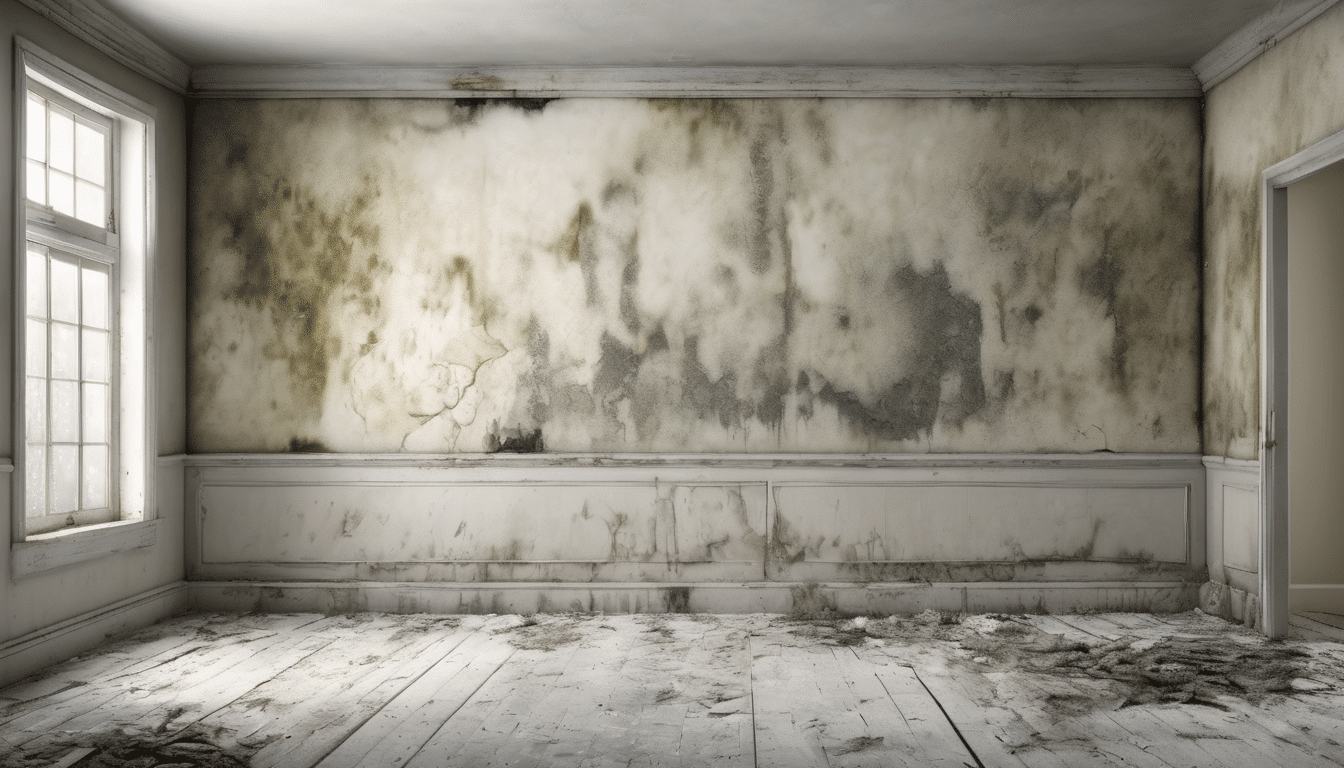
Understanding What Paint Types prevent mold regrowth after remediation becomes particularly crucial during Dubai’s humid summer months and the transitional seasons when condensation issues peak. The choice of paint after professional mold remediation isn’t merely cosmetic—it’s a critical protective barrier that determines whether mold returns within months or stays eliminated for years. In the UAE’s challenging climate, where high humidity and air-conditioned environments create perfect conditions for mold development, selecting the right paint types to prevent mold regrowth after remediation can mean the difference between a permanent solution and recurring problems.
The science behind what paint types prevent mold regrowth after remediation involves more than just adding fungicides to standard paint. True mold-resistant paints create hostile environments for fungal growth through multiple mechanisms, including moisture regulation, pH control, and active antimicrobial protection. For Dubai homeowners who have invested in professional mold remediation, understanding what paint types prevent mold regrowth after remediation ensures that their investment in remediation delivers lasting results rather than temporary fixes.
Understanding What Paint Types Prevent Mold Regrowth After Remediation
True mold-resistant paints work through multiple scientific mechanisms that create environments hostile to fungal development. These specialized coatings contain additives that either kill mold spores on contact or create surfaces where mold cannot establish colonies. The most effective what paint types prevent mold regrowth after remediation incorporate alkaline compounds that maintain high pH levels, making surfaces inhospitable to mold growth. Many premium formulations also include microporous technology that allows moisture vapour to escape while preventing liquid water penetration.
In Dubai’s climate, where relative humidity frequently exceeds 80% during summer months, understanding what paint types prevent mold regrowth after remediation requires recognising how these products manage moisture dynamics. Quality mold-resistant paints contain moisture-regulating properties that help prevent condensation buildup on interior surfaces—a common problem in air-conditioned spaces where warm, humid air meets cool wall surfaces. This moisture management capability is what separates true protective coatings from standard paints with minimal antifungal additives.
Essential Paint Types That Prevent Mold Regrowth After Remediation
Several categories of paint effectively prevent mold regrowth after remediation, each with specific applications and advantages. Alkyd-based mould-resistant paints create durable, washable surfaces with excellent moisture resistance, making them ideal for kitchens and bathrooms where humidity levels fluctuate. These what paint types prevent mold regrowth after remediation typically contain zinc oxide or other metallic compounds that provide long-lasting antimicrobial protection without compromising paint durability.
Silicate mineral paints represent another category of what paint types prevent mold regrowth after remediation that work through chemical bonding with substrate minerals. These paints create alkaline surfaces with pH levels around 11-12, effectively preventing mold establishment while allowing walls to breathe naturally. In Dubai’s climate, where trapped moisture behind impermeable coatings can cause hidden mold problems, the vapour-permeable nature of silicate paints makes them particularly valuable for long-term mold prevention.
Epoxy and Polyurethane Coatings
For extreme moisture environments or areas with previous severe mold issues, epoxy and polyurethane coatings provide exceptional protection among what paint types prevent mold regrowth after remediation. These systems create completely impermeable barriers that prevent moisture penetration while offering superior resistance to cleaning chemicals and physical abrasion. While more expensive than standard paints—typically costing AED 180-350 per litre—their durability makes them cost-effective for high-risk areas like basement walls, laundry rooms, and commercial kitchens.
Seasonal Considerations for UAE Climate in What Paint Types Prevent Mold Regrowth After Remediation
The timing of painting after mold remediation significantly impacts how effectively what paint types prevent mold regrowth after remediation perform in Dubai’s distinctive climate. During winter months (November-February), when humidity levels drop to 40-60%, paint cures more effectively with reduced risk of moisture-related application problems. This period represents the optimal window for applying what paint types prevent mold regrowth after remediation, as the lower humidity allows proper film formation and adhesion.
Summer application of what paint types prevent mold regrowth after remediation requires additional precautions due to Dubai’s extreme humidity conditions. From June through September, when outdoor humidity frequently exceeds 85% and temperatures reach 40°C, paint application becomes challenging. During these months, interior painting must be coordinated with enhanced dehumidification and climate control to ensure proper curing. Many professional applicators recommend night-time application during summer months when temperatures and humidity levels are somewhat more manageable.
Proper Application Techniques for What Paint Types Prevent Mold Regrowth After Remediation
The effectiveness of what paint types prevent mold regrowth after remediation depends heavily on proper application techniques that ensure complete coverage and adequate film thickness. Most mold-resistant paints require application in multiple thin coats rather than single heavy applications, with recommended dry film thickness of 75-125 microns for optimal protection. Using appropriate rollers and brushes designed for the specific paint type ensures even distribution of antimicrobial additives throughout the coating.
Temperature and humidity control during application significantly impacts how well what paint types prevent mold regrowth after remediation perform long-term. Ideal application conditions maintain temperatures between 15°C and 30°C with relative humidity below 75%. In Dubai’s climate, this often requires temporary climate control measures during application, particularly during summer months. Proper ventilation during and after application helps ensure complete curing without trapping moisture within the paint film, which could compromise its mold-resistant properties.
Surface Preparation Requirements for What Paint Types Prevent Mold Regrowth After Remediation
Even the most advanced what paint types prevent mold regrowth after remediation will fail without proper surface preparation following mold remediation. All surfaces must be completely free of visible mold, dirt, and grease before application, with pH testing conducted to ensure surfaces are neutral (pH 7-8) before painting. Alkaline surfaces from previous cleaning agents must be neutralised with mild acid solutions, while acidic residues require alkaline neutralisation to create the ideal substrate for mold-resistant coatings.
Moisture content testing represents a critical step often overlooked when applying what paint types prevent mold regrowth after remediation. Using professional moisture meters, surfaces should register below 12% moisture content before painting begins. In concrete substrates common in UAE construction, this may require extended drying times following water damage remediation. Applying mold-resistant paints over damp surfaces traps moisture within wall assemblies, creating ideal conditions for hidden mold growth behind the new coating—defeating the purpose of using specialized paints.
Cost Comparison and Value Analysis of What Paint Types Prevent Mold Regrowth After Remediation
The investment in quality what paint types prevent mold regrowth after remediation must be evaluated against the potential costs of repeated mold remediation. Standard interior paints in Dubai typically cost AED 40-80 per litre, while quality mold-resistant paints range from AED 120-250 per litre. Although the initial investment is higher, the long-term value becomes apparent when considering that proper mold-resistant painting can prevent recurrence that would require additional remediation costing AED 3,000-15,000 for typical villa applications.
| Paint Type | Cost per Litre (AED) | Coverage Area | Expected Protection Period |
|---|---|---|---|
| Standard Interior Paint | 40-80 | 10-12 m² | 0-2 years |
| Basic Mold-Resistant | 90-150 | 8-10 m² | 3-5 years |
| Premium Mold-Resistant | 150-250 | 6-8 m² | 5-8 years |
| Epoxy/Polyurethane | 180-350 | 4-6 m² | 8-12 years |
Common Mistakes to Avoid With What Paint Types Prevent Mold Regrowth After Remediation
Several common mistakes compromise the effectiveness of what paint types prevent mold regrowth after remediation, with inadequate surface preparation representing the most frequent error. Applying mold-resistant paints over existing mold growth or contaminated surfaces simply encapsulates the problem, allowing hidden mold to continue growing beneath the new coating. Similarly, painting over moisture-compromised substrates guarantees failure, as trapped moisture will eventually compromise adhesion and create new mold colonies.
Another critical mistake involves using incompatible primer systems with what paint types prevent mold regrowth after remediation. Many mold-resistant paints require specific primers designed to work with their formulation, and using standard primers can neutralise the antimicrobial properties of the topcoat. Failure to follow manufacturer recommendations regarding application temperature, humidity, and recoat times similarly reduces effectiveness, as these parameters directly impact how the protective additives distribute within the paint film.
Expert Tips for Success With What Paint Types Prevent Mold Regrowth After Remediation
Success with what paint types prevent mold regrowth after remediation begins with verification that the underlying moisture problem has been completely resolved. Before any painting occurs, professional moisture mapping should confirm that all building materials have returned to normal moisture levels (below 12% for wood, below 3% for concrete). Additionally, air quality testing should verify spore counts have returned to normal outdoor levels, indicating successful remediation before protective coatings are applied.
Select what paint types prevent mold regrowth after remediation based on specific room conditions rather than using a one-size-fits-all approach. High-humidity areas like bathrooms and kitchens benefit from paints with enhanced vapour permeability, while areas with previous severe contamination may require epoxy barrier systems. Always purchase slightly more paint than calculated to ensure adequate coverage, as insufficient film thickness significantly reduces the protective capabilities of even the best mold-resistant products.
Frequently Asked Questions About What Paint Types Prevent Mold Regrowth After Remediation
Can I use regular paint after mold remediation?
While technically possible, using regular paint after mold remediation significantly increases recurrence risk. Standard paints lack the antimicrobial additives and moisture-management properties that characterise what paint types prevent mold regrowth after remediation effectively. In Dubai’s humid climate, the minimal savings from using standard paint rarely justify the high probability of needing repeat remediation within 12-24 months.
How long do mold-resistant paints last?
Quality what paint types prevent mold regrowth after remediation typically maintain their protective properties for 5-8 years when properly applied to prepared surfaces. Environmental factors including humidity levels, temperature fluctuations, and surface conditions affect longevity, with premium formulations in well-maintained interiors potentially providing protection for up to a decade before requiring recoating.
Are mold-resistant paints safe for bedrooms?
Modern what paint types prevent mold regrowth after remediation manufactured by reputable brands meet strict VOC regulations and are perfectly safe for use in bedrooms and living areas. Many premium formulations are specifically certified for use in children’s rooms and healthcare facilities, featuring low-odor properties and minimal chemical emissions while providing effective mold protection.
Selecting the right what paint types prevent mold regrowth after remediation represents the final critical step in ensuring lasting results from mold remediation efforts. In Dubai’s challenging climate, where high humidity and condensation create persistent mold challenges, investing in quality mold-resistant paints with proper application techniques provides essential protection against recurrence. By understanding the different categories of protective coatings, their appropriate applications, and the necessary preparation and application protocols, homeowners and property managers can ensure their remediation investments deliver permanent solutions rather than temporary fixes.