
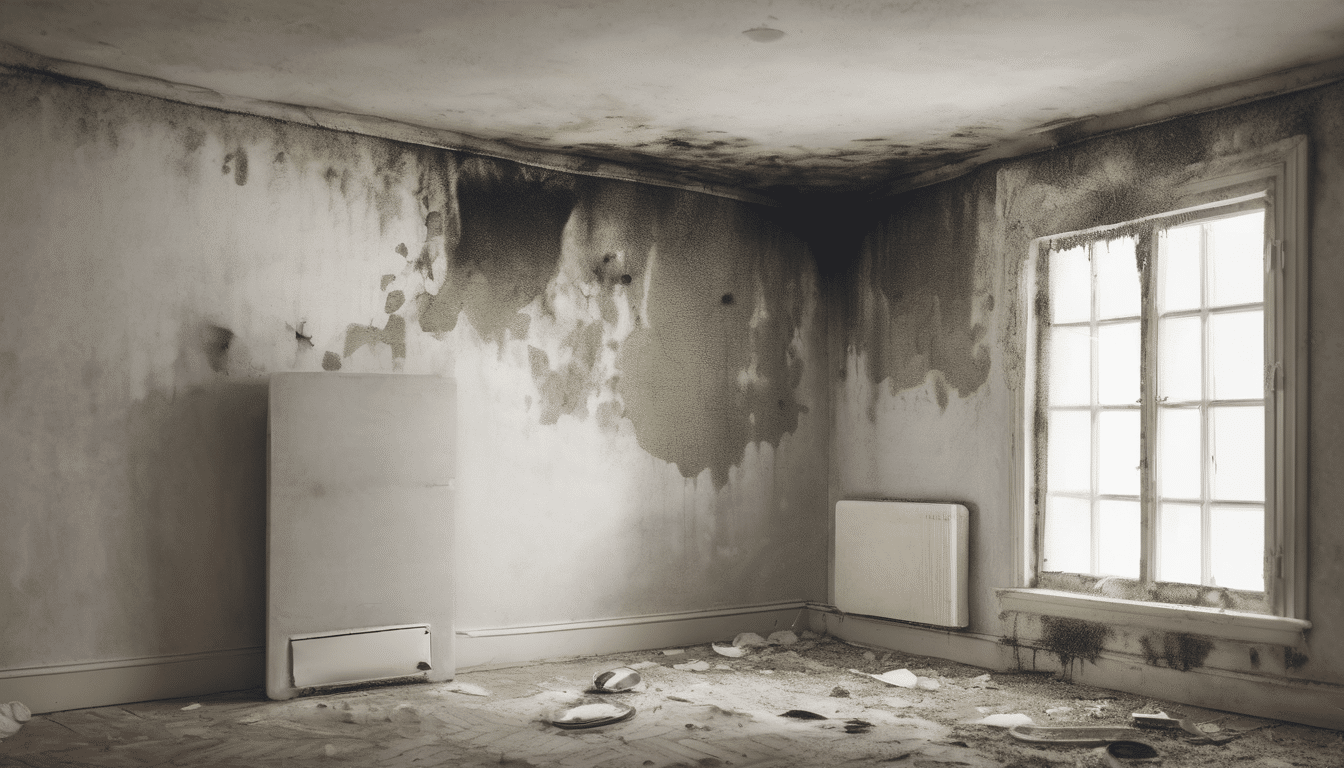
Air conditioning systems are essential for comfortable living in Dubai’s extreme climate, but when AC units leak, they can create serious mold problems that threaten tenant health. Understanding the Mold Health Risks from AC leaks landlord liability guide becomes crucial when dealing with contaminated rental properties in the UAE. Property managers and tenants must navigate complex responsibilities when AC-related water damage leads to microbial growth.
The intersection of building maintenance, health protection, and legal responsibility creates challenging situations for both landlords and tenants. When AC systems fail and cause water intrusion, the resulting mold growth can trigger respiratory problems, allergic reactions, and other health complications that require immediate attention and proper remediation.
Mold Health Risks From Ac Leaks Landlord Liability Guide – Understanding AC Leak Mold Health Risks
Air conditioning leaks create ideal conditions for mold growth through persistent moisture and organic materials present in building components. The mold health risks from AC leaks landlord liability guide emphasises that these water intrusions often occur within wall cavities, ceiling spaces, and around ductwork where detection becomes challenging until substantial growth has occurred.
Microbial Growth Patterns from AC Leaks
AC condensate leaks typically produce continuous moisture rather than single flooding events, allowing mold colonies to establish and proliferate over extended periods. Common leak locations include drain pan overflows, blocked condensate lines, and refrigerant line condensation that saturates insulation materials and wooden framing members.
The temperature differential between cooled indoor air and warm outdoor conditions creates condensation zones where mold spores readily germinate. These microenvironments support diverse fungal species that release spores and metabolic byproducts into indoor air circulation systems.
Health Symptoms from AC-Related Mold Exposure
Occupants exposed to mold from AC leaks commonly report respiratory irritation, persistent coughing, nasal congestion, and throat discomfort that worsens during extended indoor periods. Sensitive individuals may experience more severe reactions including asthma exacerbation, allergic rhinitis, and skin irritation.
The mold health risks from AC leaks landlord liability guide indicates that symptoms often correlate with AC system operation periods when contaminated air circulates throughout living spaces. Headaches, fatigue, and concentration difficulties represent additional health impacts reported in cases involving significant mold exposure.
Mold Health Risks From Ac Leaks Landlord Liability Guide – Landlord Liability for AC Leak Mold Problems
UAE tenancy laws establish clear landlord responsibilities for maintaining essential building systems including air conditioning equipment that affects habitability and tenant health. The mold health risks from AC leaks landlord liability guide clarifies that property owners must ensure AC systems function properly without creating health hazards through water damage or microbial contamination.
Maintenance Obligations Under UAE Law
The UAE Real Estate Regulatory Agency requires landlords to maintain rental properties in good condition including proper functioning of cooling systems essential for habitability. This includes regular AC servicing, prompt leak repairs, and addressing moisture problems that could lead to mold growth.
Landlords cannot delegate these responsibilities to tenants except through specific written agreements that clearly define maintenance duties. When AC leaks cause mold problems affecting tenant health, property owners typically bear liability for remediation costs and health-related damages.
Breach of Habitability Standards
Mold contamination from AC leaks can constitute a breach of implied habitability warranties when growth reaches levels that threaten occupant health or safety. The mold health risks from AC leaks landlord liability guide emphasises that persistent moisture problems creating unhealthy indoor conditions may justify rent withholding or lease termination in severe cases.
Documentation of health symptoms, professional mold assessments, and repair requests helps establish landlord knowledge and responsibility for addressing contamination issues. Courts generally favour tenants when landlords fail to respond appropriately to documented mold problems affecting habitability.
Mold Health Risks From Ac Leaks Landlord Liability Guide – Tenant Rights When Facing Mold Health Risks
Tenants experiencing health problems from mold related to AC leaks possess specific rights under UAE rental regulations including the right to habitable living conditions and timely repairs of essential building systems. Understanding these protections helps tenants respond effectively when landlords fail to address contamination issues.
Right to Prompt Repairs
UAE tenancy laws require landlords to complete necessary repairs within reasonable timeframes, typically 30 days for non-emergency issues and immediately for problems affecting health or safety. The mold health risks from AC leaks landlord liability guide specifies that mold problems generally qualify as urgent health concerns requiring expedited response.
Tenants may pursue alternative remedies including hiring contractors and deducting costs from rent when landlords fail to complete required repairs within specified timeframes. This self-help remedy requires proper documentation and advance notice to property owners.
Rent Reduction and Compensation Rights
Significant mold problems that reduce property habitability may justify rent reductions proportional to the affected living space and duration of contamination. Tenants may also seek compensation for medical expenses, temporary accommodation costs, and damaged personal property resulting from landlord negligence.
The mold health risks from AC leaks landlord liability guide indicates that successful compensation claims typically require documented health impacts, professional assessment reports, and evidence of landlord knowledge about contamination problems.
Documenting Mold Health Risks from AC Leaks
Proper documentation provides essential evidence for establishing landlord liability and supporting tenant rights in mold-related disputes. Comprehensive record-keeping should begin immediately upon discovering AC leaks or suspected mold growth.
Visual Evidence and Photography
Photograph visible mold growth, water damage, and AC leak sources using clear, dated images that show the extent and location of contamination. Include close-up shots of affected materials and wider views that establish the relationship between AC equipment and damaged areas.
Document the progression of mold growth over time through regular photography that demonstrates expanding contamination when repairs are delayed. The mold health risks from AC leaks landlord liability guide recommends including measuring devices or common objects for scale reference in photographs.
Health Symptom Documentation
Maintain detailed records of health symptoms experienced by household members including onset dates, severity levels, and correlation with indoor exposure periods. Medical consultations and diagnostic reports provide professional validation of mold-related health impacts.
Track symptom patterns related to AC system operation, time spent indoors, and improvement during periods away from the contaminated property. This correlation helps establish causation between mold exposure and health effects.
Legal Frameworks for UAE Rental Properties
The UAE’s tenancy regulations provide specific protections for renters dealing with property maintenance issues including mold problems from AC system failures. Understanding these legal frameworks helps both landlords and tenants navigate their rights and responsibilities.
Dubai Rental Dispute Centre Procedures
The Dubai Rental Dispute Centre handles conflicts between landlords and tenants including cases involving mold health risks from AC leaks. The mold health risks from AC leaks landlord liability guide notes that successful claims typically require evidence of landlord negligence, documented health impacts, and proof of proper notification procedures.
Filing procedures require specific documentation including lease agreements, repair requests, photographic evidence, and professional assessment reports. The centre generally favours resolutions that ensure habitable living conditions while protecting legitimate landlord interests.
Abu Dhabi Municipality Regulations
Abu Dhabi’s rental regulations emphasise landlord responsibilities for maintaining essential building systems including air conditioning that affects tenant health and safety. These regulations specify timeframes for repairs and outline tenant remedies when landlords fail to address habitability issues.
The mold health risks from AC leaks landlord liability guide indicates that Abu Dhabi authorities take health-related property issues seriously and may impose penalties on landlords who neglect maintenance responsibilities affecting occupant wellbeing.
Health Impact Assessment Protocols
Professional health impact assessments provide objective evidence of mold-related health risks and support legal claims against negligent landlords. These evaluations should follow recognised protocols for documenting exposure pathways and potential health effects.
Indoor Air Quality Testing
Comprehensive air sampling helps identify specific mold species present and quantify spore concentrations that may affect occupant health. Professional testing should include both indoor and outdoor samples to establish elevated contamination levels within affected properties.
The mold health risks from AC leaks landlord liability guide recommends testing during AC system operation when contaminated air circulation typically peaks. Results should be interpreted by qualified professionals familiar with health-based exposure guidelines.
Medical Evaluation Protocols
Healthcare providers familiar with environmental health issues can evaluate symptoms potentially related to mold exposure and provide documentation supporting causation claims. Medical records should detail symptom onset, exposure history, and improvement patterns that correlate with environmental conditions.
Allergy testing and respiratory function assessments may reveal sensitivity to specific mold species identified in the contaminated property. This correlation strengthens the connection between indoor contamination and occupant health impacts.
Remediation Responsibilities and Costs
Determining who bears responsibility for mold remediation costs depends on lease terms, local regulations, and the underlying cause of contamination. AC leak scenarios typically place primary responsibility on landlords due to building system maintenance obligations.
Professional Remediation Requirements
Significant mold contamination from AC leaks generally requires professional remediation using containment procedures, HEPA filtration, and proper disposal methods. The mold health risks from AC leaks landlord liability guide emphasises that amateur remediation attempts often spread contamination and fail to address underlying moisture problems.
Professional remediation costs in Dubai typically range from AED 5,000 to AED 25,000 depending on affected area size and contamination severity. These expenses usually fall to landlords when AC system failures cause the underlying moisture problem.
Temporary Accommodation Costs
Severe mold contamination may require temporary relocation during remediation work, particularly when occupants experience health symptoms from continued exposure. Landlords typically bear responsibility for accommodation costs when their negligence creates uninhabitable conditions.
The mold health risks from AC leaks landlord liability guide notes that temporary accommodation expenses can range from AED 200 to AED 800 per night depending on property type and location. These costs accumulate rapidly during extended remediation projects.
Prevention Strategies for Landlords
Proactive maintenance and monitoring help landlords prevent AC leak mold problems that create health risks and legal liability. Implementing systematic prevention strategies reduces long-term costs compared to reactive remediation approaches.
Regular AC Maintenance Programmes
Scheduled AC servicing including drain line cleaning, filter replacement, and condensate system inspection prevents most leak-related mold problems. Professional maintenance contracts typically cost AED 800 to AED 2,000 annually per unit but prevent much larger remediation expenses.
The mold health risks from AC leaks landlord liability guide recommends quarterly inspections during peak cooling seasons when AC systems operate continuously and leak risks increase. Early detection of minor leaks prevents extensive mold growth and health impacts.
Moisture Monitoring Systems
Electronic moisture sensors installed near AC equipment can provide early warning of leak conditions before mold growth becomes established. These monitoring systems cost approximately AED 500 to AED 1,500 per unit but offer significant protection against contamination liability.
Smart building systems can integrate moisture monitoring with automated alerts that notify property managers immediately when leak conditions develop. This rapid response capability prevents minor leaks from becoming major mold problems.
Expert Recommendations for Mold Cases
Based on extensive experience investigating mold problems in Dubai properties, several key recommendations help both landlords and tenants navigate AC leak mold situations effectively while protecting health and legal interests.
Immediate Response Protocols
When AC leaks are discovered, immediate action should focus on stopping water intrusion and documenting conditions before mold growth becomes established. The mold health risks from AC leaks landlord liability guide emphasises that early intervention prevents most serious health and legal complications.
Professional assessment within 48 hours helps determine contamination extent and appropriate remediation scope. This rapid response protects both tenant health and landlord liability by addressing problems before they escalate into major contamination events.
Long-term Monitoring Strategies
Post-remediation monitoring ensures that mold problems do not recur and that indoor air quality remains healthy for occupants. Regular air quality testing and moisture monitoring help verify remediation success and prevent future contamination.
The mold health risks from AC leaks landlord liability guide recommends continued monitoring for at least six months after major remediation projects to ensure complete resolution of contamination issues.
Understanding the complex relationship between AC system maintenance, mold health risks, and landlord liability helps protect both property owners and tenants in Dubai’s competitive rental market. Proper documentation, prompt response to problems, and professional remediation when needed ensure that indoor environments remain healthy and legally compliant. The mold health risks from AC leaks landlord liability guide demonstrates that proactive approaches to AC maintenance and moisture control provide the best protection for all parties involved in rental property relationships.