
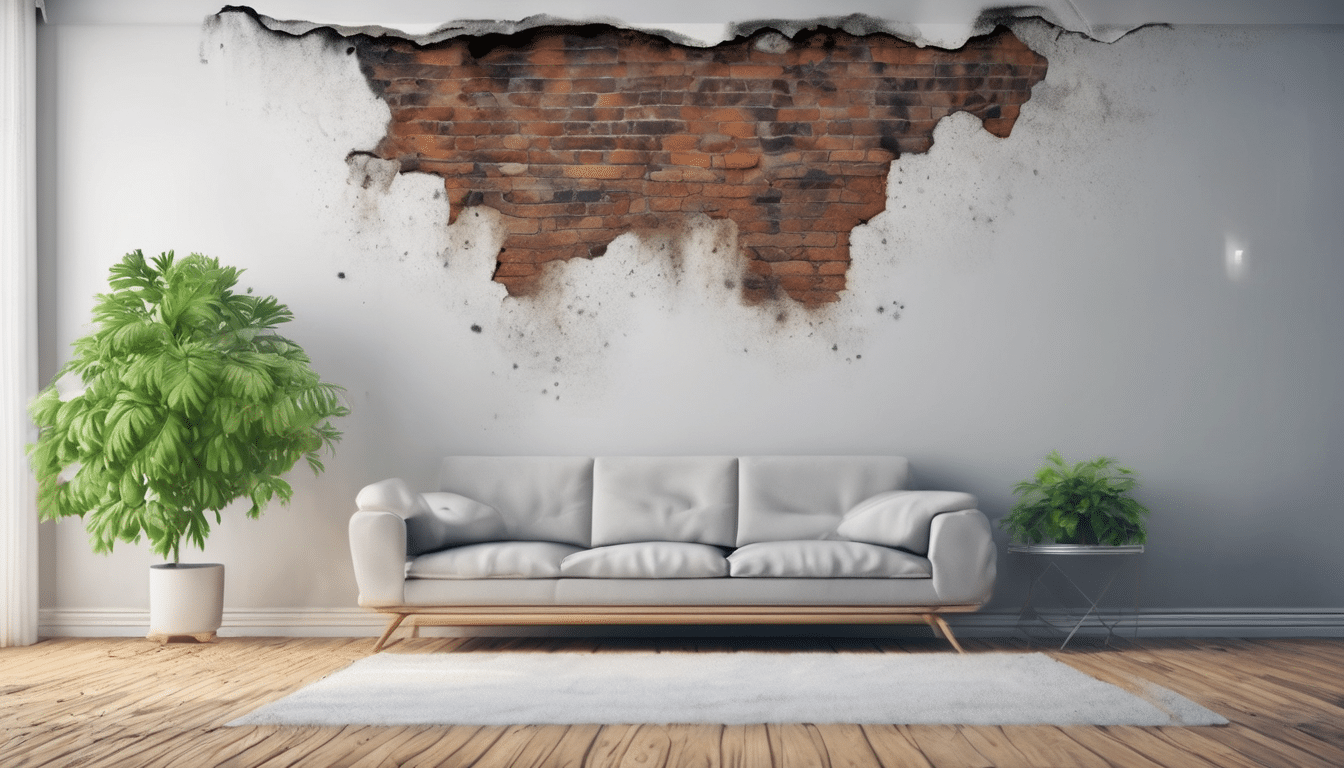
When air conditioning systems leak and cause mold growth in rental properties, determining responsibility becomes a critical issue for both tenants and landlords across the UAE. Is landlord responsible for mold from AC leak situations? The answer depends on several factors including lease agreements, maintenance responsibilities, and the specific circumstances surrounding the leak and subsequent mold development.
In Dubai’s climate, where air conditioning operates year-round and humidity levels remain consistently high, AC-related mold problems represent one of the most common indoor environmental challenges in rental properties. Understanding the legal framework, prevention strategies, and remediation responsibilities can protect both parties and ensure healthier indoor environments. This relates directly to Is Landlord Responsible For Mold From Ac Leak.
This comprehensive guide examines the complex relationship between AC maintenance, mold growth, and responsibility allocation in UAE rental properties, providing practical insights for navigating these challenging situations.
Is Landlord Responsible For Mold From Ac Leak – Understanding Landlord Responsibility for Mold from AC Leak
Is landlord responsible for mold from AC leak issues in UAE rental properties? The fundamental principle revolves around distinguishing between structural defects and maintenance obligations versus tenant negligence or misuse. In most cases involving AC system failures that lead to water intrusion and subsequent mold growth, landlords bear primary responsibility when the problem stems from inadequate building systems or deferred maintenance.
From a building science perspective, AC-related mold typically develops through predictable pathways. When condensation systems fail, drain pans overflow, or ductwork develops leaks, moisture accumulates in building cavities where mold spores naturally present in the environment can proliferate. In our investigations across Dubai properties, the majority of AC-related mold cases trace back to system design inadequacies or maintenance failures rather than tenant behaviour.
The complexity increases when considering that modern UAE buildings rely entirely on mechanical cooling systems. Unlike climates where natural ventilation provides backup, Dubai’s sealed building envelopes make AC system integrity critical for both comfort and indoor air quality. When these systems fail, the consequences extend beyond simple discomfort to create conditions conducive to rapid mold development.
Landlords typically assume responsibility when AC leaks result from equipment failure, inadequate system capacity, poor installation, or deferred maintenance of building-owned components. This includes central AC systems, package units serving multiple rooms, and infrastructure elements like drain lines that pass through building structures. When considering Is Landlord Responsible For Mold From Ac Leak, this becomes clear.
Structural vs. Maintenance Issues
Distinguishing between structural problems and routine maintenance helps clarify responsibility allocation. Structural issues affecting AC performance include inadequate drainage systems, thermal bridging causing excessive condensation, or building envelope failures allowing moisture infiltration. These conditions create ongoing problems regardless of tenant behaviour and fall under landlord responsibility.
Maintenance-related AC problems encompass filter replacement, drain pan cleaning, and basic system upkeep. However, when maintenance requirements exceed reasonable tenant capabilities or when system failures occur despite proper tenant maintenance, responsibility typically shifts to the property owner.
Is Landlord Responsible For Mold From Ac Leak – UAE Rental Law Framework and Mold Issues
The UAE’s rental legislation provides a framework for addressing property maintenance issues, though specific provisions regarding mold from AC leaks require interpretation within broader landlord-tenant obligations. Federal Law No. 26 of 2007 and emirate-specific regulations establish basic principles that courts and rental committees apply to mold-related disputes. The importance of Is Landlord Responsible For Mold From Ac Leak is evident here.
Is landlord responsible for mold from AC leak situations under UAE law? The legislation emphasises landlords’ duty to maintain properties in habitable condition and ensure essential services function properly. Air conditioning qualifies as an essential service in the UAE’s climate, making landlords generally responsible for maintaining functional cooling systems.
The Dubai Rental Dispute Centre and similar bodies in other emirates have addressed cases where AC failures led to property damage and health concerns. Precedents generally favour tenants when mold results from landlord-controlled building systems, particularly when tenants can demonstrate proper use and timely notification of problems.
However, the law also requires tenants to use properties reasonably and report maintenance issues promptly. Failure to notify landlords of AC problems or misuse of cooling systems can shift responsibility back to tenants, especially if delayed reporting allows minor leaks to develop into significant mold problems. Understanding Is Landlord Responsible For Mold From Ac Leak helps with this aspect.
Emirate-Specific Variations
Each emirate maintains some autonomy in rental regulation interpretation. Dubai’s approach tends to favour detailed documentation and expert assessment in technical disputes like mold cases. Abu Dhabi emphasises preventive maintenance obligations, while Sharjah focuses on reasonable use standards. Understanding local precedents helps both parties navigate responsibility questions more effectively.
The integration of environmental health considerations into rental law continues evolving as awareness of indoor air quality impacts grows. Recent cases suggest courts increasingly recognise mold exposure as a legitimate health concern warranting landlord action when building systems contribute to the problem.
When Is Landlord Responsible for Mold from AC Leak?
Clear scenarios establish when is landlord responsible for mold from AC leak situations in UAE rental properties. Primary responsibility typically falls on landlords when AC system failures result from building-level infrastructure problems, inadequate maintenance of landlord-controlled equipment, or design deficiencies that create moisture management challenges.
System age and maintenance history play crucial roles in responsibility determination. AC units nearing end-of-life expectancy that fail despite reasonable tenant care generally represent landlord liability. Similarly, recurring problems with the same equipment suggest underlying issues requiring landlord intervention rather than temporary repairs.
In our forensic investigations of AC-related mold cases, the most common landlord responsibility scenarios include drain line blockages in building infrastructure, condenser unit failures due to inadequate maintenance, and ductwork problems within wall or ceiling cavities. These conditions typically develop regardless of tenant behaviour and require professional remediation.
Building envelope interactions with AC systems create another category of landlord responsibility. When thermal bridging causes excessive condensation on AC components, or when building air leakage overwhelms system capacity, the resulting moisture problems stem from design or construction issues beyond tenant control. Is Landlord Responsible For Mold From Ac Leak factors into this consideration.
Equipment Ownership and Control
The distinction between tenant-controlled and landlord-controlled AC equipment significantly influences responsibility allocation. Central systems, package units serving multiple zones, and any AC infrastructure integrated into building structure typically fall under landlord responsibility for both maintenance and failure consequences.
Window units or portable AC systems provided by tenants shift more responsibility to the occupant, though landlords retain obligations to ensure adequate electrical supply and proper installation support. Mixed systems require careful analysis of which components belong to which party.
Maintenance Schedule Compliance
Professional AC maintenance schedules provide objective standards for evaluating responsibility. When landlords fail to perform required maintenance on building systems, resulting failures and mold consequences typically fall under their liability. Conversely, when proper maintenance occurs but systems still fail, responsibility may depend on specific failure causes and system age. This relates directly to Is Landlord Responsible For Mold From Ac Leak.
Documentation of maintenance activities becomes critical evidence in disputes. Regular service records demonstrating appropriate care support landlord positions, while gaps in maintenance create potential liability for resulting problems including mold growth from AC leaks.
Tenant Responsibilities in AC Maintenance and Mold Prevention
While landlords bear primary responsibility for major AC system issues, tenants have important obligations that can influence whether is landlord responsible for mold from AC leak situations. Proper use, routine maintenance within tenant capabilities, and timely problem reporting represent key tenant responsibilities that affect liability allocation.
Filter replacement stands as the most common tenant maintenance obligation for AC systems. Clogged filters reduce airflow, increase system strain, and can contribute to condensation problems that promote mold growth. When tenants neglect filter maintenance and subsequent AC failures lead to mold, responsibility may shift partially or entirely to the occupant. When considering Is Landlord Responsible For Mold From Ac Leak, this becomes clear.
Temperature setting practices also influence AC system performance and mold risk. Extreme temperature differentials increase condensation potential, while frequent system cycling can stress equipment and contribute to drain system problems. Reasonable thermostat use represents a basic tenant obligation that supports system longevity and prevents moisture issues.
Reporting requirements create another crucial tenant responsibility. UAE rental agreements typically require prompt notification of maintenance issues, and AC problems qualify as urgent concerns given the climate. Delayed reporting of AC leaks can allow minor problems to develop into significant mold contamination, potentially shifting remediation costs to tenants.
Household Practices Affecting AC Performance
Indoor activities that increase humidity loads can overwhelm AC systems and contribute to moisture problems. Excessive cooking moisture, inadequate bathroom ventilation, and overcrowding can stress cooling systems beyond their design capacity. While these factors don’t absolve landlords of equipment maintenance responsibilities, they can influence responsibility allocation in borderline cases. The importance of Is Landlord Responsible For Mold From Ac Leak is evident here.
Furniture placement and airflow obstruction represent subtle but important tenant considerations. Blocking AC vents or condensing units reduces system efficiency and can contribute to moisture problems. Professional investigations often reveal how occupant modifications to spaces affect AC performance and subsequent mold risk.
Cleaning and Basic Maintenance
Tenants typically bear responsibility for cleaning accessible AC components including vents, registers, and drain pans within units. This basic maintenance helps prevent blockages and moisture accumulation that can lead to mold growth. However, any maintenance requiring system disassembly or accessing building infrastructure generally falls under landlord responsibility.
The scope of tenant maintenance obligations should be clearly defined in lease agreements to prevent disputes. Reasonable tenant responsibilities include tasks that don’t require special tools, expertise, or access to building systems, while anything beyond basic cleaning and filter changes typically exceeds tenant obligations. Understanding Is Landlord Responsible For Mold From Ac Leak helps with this aspect.
Documentation and Evidence Collection
Establishing whether is landlord responsible for mold from AC leak requires comprehensive documentation from the moment problems first appear. Both landlords and tenants benefit from systematic evidence collection that can clarify responsibility and support resolution efforts.
Photographic documentation forms the foundation of effective evidence collection. Images should capture the AC leak source, visible mold growth, affected materials, and surrounding conditions. Time-stamped photos showing problem progression help establish timelines and demonstrate the relationship between AC failures and subsequent mold development.
Communication records between tenants and landlords provide crucial evidence of notification timing and response adequacy. Email exchanges, text messages, and formal notices document when problems were reported and how quickly landlords responded. These records often determine whether delayed action contributed to mold extent and associated costs. Is Landlord Responsible For Mold From Ac Leak factors into this consideration.
Professional assessments add technical credibility to mold cases involving AC leaks. Indoor environmental consultants can identify leak sources, assess mold contamination, and determine whether problems resulted from system failures, maintenance deficiencies, or user error. Their findings often prove decisive in responsibility determination.
Technical Evidence Requirements
Moisture readings, air sampling results, and building performance data provide objective evidence of AC-related mold problems. Thermal imaging can reveal hidden moisture patterns, while airflow measurements document system performance issues. This technical evidence often proves essential for establishing causation between AC problems and mold growth.
Laboratory testing of mold samples can identify species present and potential health risks, strengthening cases where occupant health concerns arise from AC-related contamination. However, testing should focus on answering specific questions about contamination extent and health risk rather than simply confirming mold presence. This relates directly to Is Landlord Responsible For Mold From Ac Leak.
Maintenance and Service Records
AC maintenance records document system care and can establish whether failures resulted from inadequate maintenance or normal wear. Service invoices, filter replacement logs, and inspection reports provide timeline evidence that courts and arbitrators rely upon in responsibility determinations.
Warranty information and equipment specifications help establish expected service life and maintenance requirements. When AC systems fail prematurely or require excessive repairs, warranty coverage and manufacturer recommendations can influence responsibility allocation between landlords and tenants.
Health Risks from AC-Related Mold Exposure
Understanding health implications helps clarify why determining if landlord is responsible for mold from AC leak matters beyond simple property damage considerations. AC systems that develop mold contamination can distribute spores throughout properties, creating widespread exposure risks that extend far beyond the original leak location. When considering Is Landlord Responsible For Mold From Ac Leak, this becomes clear.
Respiratory symptoms represent the most common health effects from AC-related mold exposure. When contaminated air circulates through cooling systems, occupants may experience coughing, sneezing, throat irritation, and breathing difficulties. Individuals with asthma or allergies often show heightened sensitivity to airborne mold spores distributed by AC systems.
The enclosed nature of UAE buildings amplifies AC-related mold exposure risks. Unlike properties with natural ventilation options, Dubai homes and offices rely entirely on mechanical air distribution. When AC systems become contaminated, avoiding exposure becomes virtually impossible without addressing the source problem.
Mycotoxin production by certain mold species creates additional health concerns when AC systems distribute these compounds throughout properties. While not all molds produce mycotoxins, species like Aspergillus and Stachybotrys can create toxic compounds that pose health risks even at relatively low exposure levels. The importance of Is Landlord Responsible For Mold From Ac Leak is evident here.
Vulnerable Population Considerations
Children, elderly individuals, and immunocompromised occupants face elevated risks from AC-related mold exposure. Their developing or compromised immune systems may react more severely to airborne contaminants, making prompt remediation particularly important for protecting vulnerable household members.
Pregnancy considerations add another dimension to AC-related mold exposure concerns. While research continues evolving, prudent approaches minimise exposure risks during pregnancy, making quick resolution of AC mold problems particularly important for expectant families.
Long-term Exposure Effects
Chronic exposure to AC-distributed mold spores can contribute to sensitisation and increased allergic responses over time. Occupants may develop new allergies or experience worsening of existing respiratory conditions when AC systems continuously circulate contaminated air. Understanding Is Landlord Responsible For Mold From Ac Leak helps with this aspect.
The difficulty of avoiding exposure in mechanically ventilated UAE buildings makes addressing AC mold sources critical for long-term occupant health. Unlike outdoor air pollution that can be avoided through building filtration, contaminated indoor air from AC systems requires source elimination for effective health protection.
Remediation Process and Cost Allocation
When is landlord responsible for mold from AC leak, the remediation process typically involves multiple phases requiring coordination between property owners, tenants, and professional service providers. Cost allocation depends on responsibility determination, but effective remediation requires addressing both immediate contamination and underlying moisture sources.
Initial assessment establishes contamination extent and identifies all affected areas. AC-related mold often extends beyond visible growth locations, particularly when ductwork or hidden building cavities become contaminated. Professional assessment helps determine appropriate remediation scope and prevents inadequate cleanup that leads to recurrence. Is Landlord Responsible For Mold From Ac Leak factors into this consideration.
Source correction represents the most critical remediation component. Fixing the AC leak that caused mold growth must occur before any cleanup efforts, otherwise contamination will simply return. This may involve equipment repair, replacement, or building system modifications to prevent future problems.
Containment during remediation prevents cross-contamination to unaffected areas. AC-related mold cleanup often requires shutting down air handling systems to prevent spore distribution during the work process. Proper containment protects both occupants and uncontaminated spaces from remediation activities.
Professional vs. DIY Remediation
The extent of AC-related mold contamination typically determines whether professional remediation is necessary. Small, surface-level growth might be addressed through careful cleaning, while contaminated ductwork or hidden cavity growth requires professional intervention with specialised equipment and expertise. This relates directly to Is Landlord Responsible For Mold From Ac Leak.
Insurance coverage considerations often favour professional remediation approaches. Many policies require certified remediation contractors for coverage eligibility, making professional services financially beneficial even when DIY options might technically be possible.
Cost Factors and Estimates
AC-related mold remediation costs in Dubai typically range from AED 2,000 for minor surface cleanup to AED 15,000 or more for extensive contamination involving ductwork replacement and structural repairs. Factors influencing costs include contamination extent, affected materials, and required building modifications.
Emergency services during summer months may carry premium pricing due to high demand and urgent health concerns. Planning remediation during moderate weather periods can reduce costs while maintaining occupant comfort during the cleanup process. When considering Is Landlord Responsible For Mold From Ac Leak, this becomes clear.
Prevention Strategies for Both Parties
Preventing mold from AC leaks requires coordinated efforts between landlords and tenants, with each party maintaining specific responsibilities that contribute to overall system health and moisture control. Is landlord responsible for mold from AC leak prevention? Both parties share complementary roles in maintaining conditions that prevent moisture problems.
Landlords should implement comprehensive AC maintenance programmes that include regular equipment servicing, drain line cleaning, and system performance monitoring. Preventive maintenance costs significantly less than mold remediation and helps maintain tenant satisfaction while protecting property values.
Professional AC servicing should occur at least twice yearly in Dubai’s demanding climate, with additional attention during peak summer months when systems operate continuously. Service contracts with qualified providers ensure consistent maintenance standards and create documentation that supports landlord due diligence efforts. The importance of Is Landlord Responsible For Mold From Ac Leak is evident here.
Building envelope maintenance supports AC system effectiveness and prevents moisture infiltration that can overwhelm cooling capacity. Proper insulation, air sealing, and window maintenance reduce cooling loads and minimise condensation risks that contribute to mold development.
Tenant Prevention Responsibilities
Filter replacement represents the most important tenant contribution to AC system health and mold prevention. Monthly filter changes during heavy use periods ensure adequate airflow and prevent system strain that can lead to moisture problems and equipment failures.
Reasonable temperature settings reduce system stress and condensation risks. Maintaining temperatures around 22-24°C provides comfort while avoiding extreme temperature differentials that increase moisture problems and energy consumption. Understanding Is Landlord Responsible For Mold From Ac Leak helps with this aspect.
Prompt problem reporting enables early intervention before minor AC issues develop into major mold problems. Tenants should immediately notify landlords of unusual noises, reduced cooling effectiveness, or visible moisture around AC equipment.
Environmental Control Strategies
Humidity management through proper ventilation and moisture source control reduces AC system load and prevents conditions that promote mold growth. Both parties benefit from strategies that maintain indoor humidity levels below 60% to discourage mold development.
Air circulation improvements through fan use and furniture arrangement support AC system effectiveness while preventing stagnant air conditions that promote mold growth in susceptible areas. Simple airflow improvements often prevent moisture accumulation in problem zones. Is Landlord Responsible For Mold From Ac Leak factors into this consideration.
Dispute Resolution and Legal Remedies
When agreement cannot be reached regarding whether is landlord responsible for mold from AC leak, several dispute resolution options exist within the UAE legal framework. Understanding available remedies helps both parties pursue fair resolutions while minimising costs and relationship damage.
Dubai’s Rental Dispute Centre provides specialised expertise in landlord-tenant disputes, including technical issues like mold problems from AC failures. The centre’s procedures emphasise evidence-based decisions and often require professional assessments to establish facts in complex cases.
Mediation services offer cost-effective alternatives to formal litigation while maintaining relationships between landlords and tenants. Many mold disputes involve legitimate concerns on both sides that can be resolved through facilitated negotiation rather than adversarial proceedings. This relates directly to Is Landlord Responsible For Mold From Ac Leak.
Expert witness testimony often proves decisive in technical disputes involving AC system failures and mold causation. Indoor environmental consultants can provide objective assessments that help dispute resolution bodies understand complex technical relationships between building systems and contamination development.
Documentation for Legal Proceedings
Successful dispute resolution requires comprehensive documentation including lease agreements, maintenance records, communication logs, and professional assessments. Courts and arbitrators rely heavily on documentary evidence when determining responsibility in technical cases like AC-related mold problems.
Timeline establishment proves crucial for demonstrating cause-and-effect relationships between AC failures and subsequent mold development. Clear documentation of problem onset, notification, and response timing often determines liability allocation in disputed cases.
Enforcement and Remedies
Legal remedies for AC-related mold problems may include remediation cost allocation, rent reduction or withholding, lease termination rights, and compensation for health impacts or property damage. The specific remedies available depend on responsibility determination and case circumstances.
Injunctive relief requiring landlord action to address ongoing mold problems provides another potential remedy when voluntary cooperation fails. Courts can order specific performance of maintenance obligations to protect tenant health and property habitability.
Expert Recommendations and Best Practices
Based on extensive experience investigating AC-related mold cases across Dubai properties, several best practices can prevent problems and clarify responsibility when issues do arise. Is landlord responsible for mold from AC leak situations can often be prevented through proactive approaches that benefit both parties.
Comprehensive lease agreements should clearly define AC maintenance responsibilities, establishing which party handles routine upkeep versus major repairs and replacements. Clear responsibility allocation prevents disputes and ensures appropriate care for building systems.
Regular professional AC inspections provide objective assessment of system condition and maintenance needs. Annual inspections by qualified technicians can identify potential problems before they lead to leaks and mold growth, protecting both landlord investments and tenant health.
Moisture monitoring systems offer early warning of developing problems before visible mold appears. Simple humidity meters and moisture sensors can alert both parties to conditions that require attention, enabling preventive action rather than reactive remediation.
Documentation Systems
Maintenance logging systems help both parties track AC system care and demonstrate due diligence in dispute situations. Digital records of filter changes, service calls, and system performance create objective timelines that support responsibility determinations.
Communication protocols establishing how and when AC problems should be reported ensure prompt attention to developing issues. Clear procedures reduce response delays that can allow minor problems to develop into major mold contamination.
Professional Service Standards
Qualified contractor selection ensures appropriate technical expertise for AC maintenance and mold remediation work. Certified technicians provide better long-term results and create documentation that supports professional service standards in legal proceedings.
Service contracts with established providers create accountability and ensure consistent maintenance standards that prevent AC-related mold problems. Long-term relationships with qualified service providers benefit both landlords and tenants through reliable system care.
The relationship between AC systems and mold development in UAE rental properties requires careful attention to both technical and legal considerations. Is landlord responsible for mold from AC leak depends on specific circumstances, but clear understanding of responsibilities, proper documentation, and proactive maintenance can prevent most problems while protecting the interests of both landlords and tenants.
Successful mold prevention requires recognising that AC systems represent critical building infrastructure in Dubai’s climate, where failure consequences extend far beyond simple comfort issues. Both parties benefit from treating cooling systems as essential services requiring professional attention and systematic maintenance rather than reactive repairs.
When problems do occur, prompt action, professional assessment, and fair responsibility allocation based on facts rather than assumptions provide the best path forward. The goal should always be restoring healthy indoor environments while maintaining positive landlord-tenant relationships that support long-term housing stability.
Understanding the complex interactions between building systems, occupant behaviour, and environmental conditions enables both parties to make informed decisions that protect health, property values, and legal interests. With proper preparation and professional guidance when needed, AC-related mold problems can be prevented, resolved efficiently, and prevented from recurring in UAE rental properties. Understanding Is Landlord Responsible For Mold From Ac Leak is key to success in this area.