
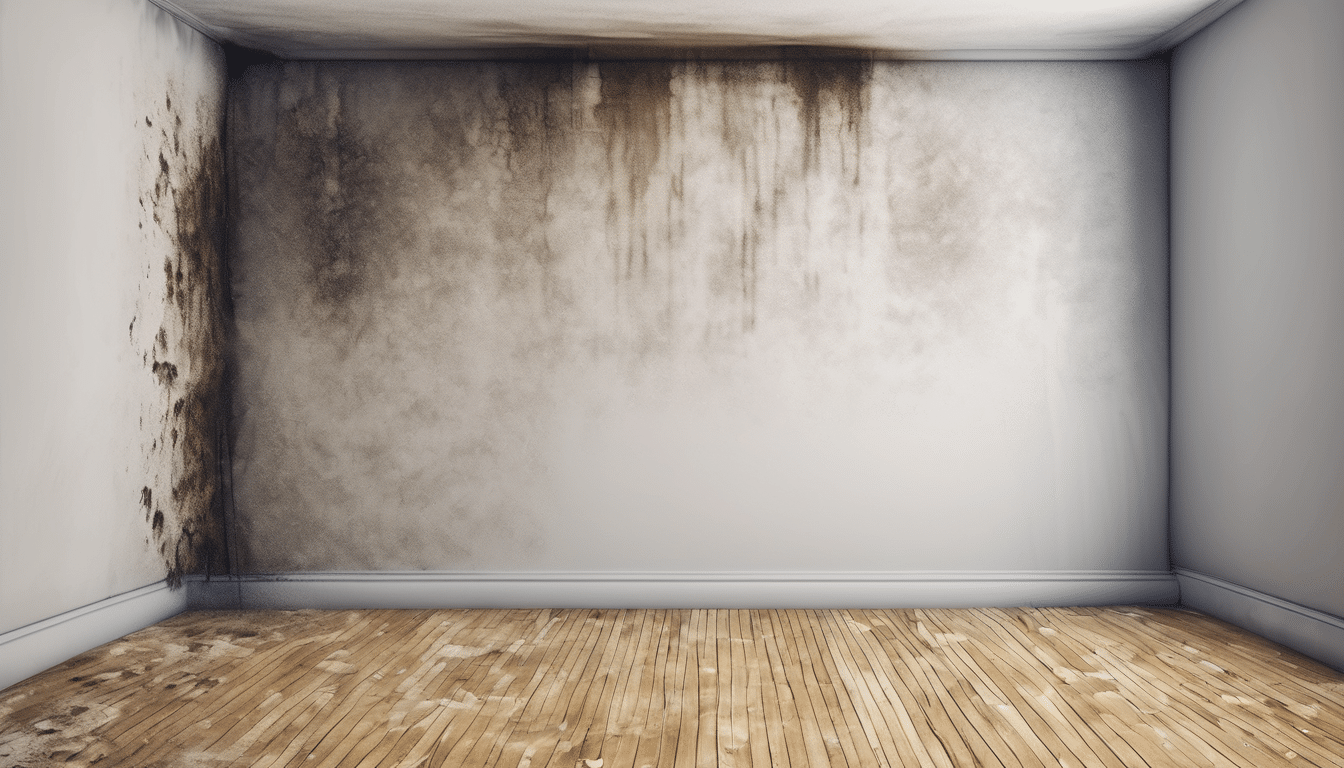
Discovering mold growth from AC leaks in your rental property creates immediate health concerns and legal questions about responsibility. When landlords fail to address these issues promptly, tenants often feel helpless, unsure of their rights, and concerned about their family’s wellbeing. Understanding your tenant rights when landlord ignores mold from AC leaks becomes crucial for protecting both your health and legal interests in the UAE’s rental market.
The relationship between AC system failures and mold development represents one of Dubai’s most common indoor environmental challenges. High humidity, constant air conditioning, and building envelope condensation create perfect conditions for microbial growth when water intrusion occurs. From a building science perspective, AC leaks that go unaddressed typically result in hidden mold contamination within 24-48 hours, spreading beyond visible surfaces into wall cavities, ceiling voids, and HVAC systems.
Your rights as a tenant extend beyond simple repair requests when mold contamination threatens your health and living environment. UAE rental law provides specific protections, but exercising these rights requires proper documentation, understanding of remediation requirements, and knowledge of legal escalation procedures.
Understanding Tenant Rights When Landlord Ignores Mold from AC Leaks
Under UAE rental law, particularly Dubai’s RERA regulations, tenants possess specific rights regarding habitability and health hazards in rental properties. When mold develops from AC leaks, these rights become enforceable obligations that landlords cannot ignore without legal consequences.
Your fundamental tenant rights when landlord ignores mold from AC leaks include the right to a habitable dwelling free from health hazards. This encompasses proper HVAC system maintenance, prompt water intrusion repairs, and professional mold remediation when contamination occurs. The law recognises that mold growth represents a material breach of rental agreements when it affects habitability.
Immediate Rights Upon Discovery
Upon discovering mold from AC leaks, tenants have the right to immediate notification acknowledgement from landlords. This notification creates legal documentation establishing the landlord’s awareness of the condition. Failure to respond within reasonable timeframes—typically 48 hours for health-related issues—begins building your case for tenant rights violations.
Your rights include temporary relocation accommodation if mold contamination renders the property uninhabitable. In Dubai’s rental market, this often means landlord-provided alternative accommodation or rent abatement during remediation periods. Laboratory testing confirming health-hazardous species strengthens these relocation rights significantly.
Documentation Rights and Access
Tenants possess rights to document mold conditions through photography, air sampling, and professional inspection services. Landlords cannot restrict reasonable access for independent mold assessment, and attempting to do so violates tenant rights when landlord ignores mold from AC leaks.
Professional inspection rights extend to hiring certified indoor air consultants for comprehensive mold investigation. The costs associated with proving habitability violations often become landlord responsibilities when negligence is established through proper documentation procedures.
Tenant Rights When Landlord Ignores Mold From Ac Leaks – Landlord Legal Obligations for AC Leak Mold Remediation
UAE rental law places specific maintenance obligations on landlords that directly relate to mold prevention and remediation. These obligations create enforceable standards that protect tenant rights when landlord ignores mold from AC leaks through negligence or delay.
Landlords must maintain HVAC systems in proper working condition, including regular servicing, leak prevention, and immediate repair of water intrusion events. When AC systems fail and cause water damage, prompt remediation becomes a legal requirement, not an optional convenience.
Response Time Requirements
Under Dubai rental regulations, landlords have specific timeframes for addressing health-hazardous conditions. Water intrusion from AC leaks requires immediate attention—typically within 24 hours for initial response and 72 hours for beginning remediation work. These timeframes protect tenant rights when landlord ignores mold from AC leaks through delayed action.
Professional remediation must begin within one week of documented mold discovery in most cases. Delays beyond these timeframes constitute negligence and strengthen tenants’ legal positions regarding habitability violations and potential damages.
Quality Standards for Remediation
Landlords cannot simply clean visible mold and consider their obligations fulfilled. Proper remediation requires professional assessment, containment procedures, HEPA filtration, and post-remediation verification testing. These standards protect tenant rights when landlord ignores mold from AC leaks by attempting inadequate solutions.
The remediation scope must address root causes—repairing AC system defects, improving drainage, and correcting building envelope failures that allowed water intrusion. Surface-only cleaning violates professional remediation standards and fails to protect long-term habitability.
Tenant Rights When Landlord Ignores Mold From Ac Leaks – Documenting Evidence to Support Your Tenant Rights When Land
Proper documentation forms the foundation of successful tenant rights enforcement when landlords ignore mold from AC leaks. Evidence collection must be systematic, timestamped, and comprehensive to support legal action or negotiation processes.
Photographic documentation should capture the mold growth, water damage sources, AC system conditions, and affected building materials. Include reference objects for scale and ensure timestamps are visible. This visual evidence supports tenant rights when landlord ignores mold from AC leaks by establishing the scope and progression of contamination.
Professional Testing Documentation
Air sampling and surface sampling provide scientific evidence of mold species and concentration levels. Hire certified indoor air consultants to perform testing according to international standards. Laboratory results create objective evidence that strengthens tenant rights when landlord ignores mold from AC leaks.
Moisture mapping using thermal imaging and moisture metres documents hidden water intrusion patterns. This testing reveals the full extent of AC leak damage beyond visible mold growth, often uncovering contamination within wall cavities and ceiling voids.
Communication Records
Maintain detailed records of all landlord communications regarding the mold issue. Save emails, text messages, and document phone conversations with dates, times, and participants. These records establish timelines and demonstrate landlord awareness when asserting tenant rights when landlord ignores mold from AC leaks.
Written repair requests create legal notice requirements under UAE rental law. Send formal notices via email and registered mail to establish documented delivery. This communication trail becomes crucial evidence in dispute resolution procedures.
Health Protection and Tenant Rights During Mold Exposure
Health protection represents a fundamental aspect of tenant rights when landlord ignores mold from AC leaks. Understanding health risks, protective measures, and medical documentation requirements helps tenants safeguard their families while pursuing legal remedies.
Mold exposure from AC leaks often involves Aspergillus, Penicillium, and Stachybotrys species common in Dubai’s humid environment. These organisms produce mycotoxins that cause respiratory symptoms, allergic reactions, and potentially serious health complications in sensitive individuals.
Immediate Protection Measures
When landlords delay mold remediation, tenants must implement protective measures independently. This includes HEPA air purifiers in affected areas, avoiding contaminated spaces, and seeking medical evaluation for symptoms. Document these protection costs as potential damages in tenant rights when landlord ignores mold from AC leaks cases.
Temporary relocation may become necessary for families with asthma, immune compromise, or severe mold sensitivity. Keep detailed records of relocation expenses, as these often become landlord responsibilities when negligence is proven through proper legal procedures.
Medical Documentation
Seek medical evaluation if experiencing respiratory symptoms, allergic reactions, or other health effects potentially related to mold exposure. Medical records linking symptoms to mold exposure strengthen tenant rights when landlord ignores mold from AC leaks by establishing health damages.
Inform healthcare providers about the mold situation and request documentation connecting symptoms to indoor air quality concerns. This medical evidence becomes valuable in negotiating remediation costs, rent abatement, or potential damages.
Legal Notice Process for Tenant Rights When Landlord Ignores AC Mold
Formal legal notice procedures initiate the enforcement of tenant rights when landlord ignores mold from AC leaks. These notices must follow specific formatting, delivery, and timing requirements under UAE rental law to create enforceable legal obligations.
The initial notice should identify the mold condition, reference specific rental agreement clauses regarding habitability, and establish reasonable timeframes for remediation. Professional language and legal formatting strengthen the notice’s effectiveness in protecting tenant rights when landlord ignores mold from AC leaks.
Notice Content Requirements
Legal notices must include property identification, specific mold locations, photographic evidence references, and clear remediation demands. Reference relevant UAE rental laws and regulations to establish the legal foundation for your tenant rights when landlord ignores mold from AC leaks.
Include remediation timeline requirements based on health risk assessments and professional recommendations. Typically, this means immediate water source repair, professional mold assessment within one week, and completed remediation within 14-21 days depending on contamination extent.
Delivery and Documentation
Send legal notices through multiple channels—email with read receipts, registered mail with tracking, and hand delivery with witness signatures when possible. This multi-channel approach ensures delivery documentation that supports tenant rights when landlord ignores mold from AC leaks in legal proceedings.
Maintain copies of all notice versions, delivery confirmations, and response communications. This documentation trail establishes compliance with legal notice requirements and demonstrates good faith efforts to resolve issues through proper channels.
Who Pays for AC Leak Mold Remediation Under Tenant Rights
Remediation cost responsibility depends on the cause of AC leaks and the speed of landlord response to tenant notifications. Understanding these financial obligations protects tenant rights when landlord ignores mold from AC leaks and ensures appropriate cost allocation.
When AC system failures cause water intrusion leading to mold growth, landlords typically bear full remediation responsibility. This includes professional mold removal, contaminated material replacement, HVAC system cleaning, and post-remediation verification testing. Costs often range from AED 5,000 to AED 25,000 depending on contamination extent.
Landlord Cost Responsibilities
Professional remediation costs become landlord obligations when mold results from building system failures or maintenance negligence. This encompasses containment setup, HEPA air filtration, antimicrobial treatments, and reconstruction of damaged building materials affected by AC leaks.
Additional landlord costs include temporary accommodation during remediation periods, particularly when contamination renders properties uninhabitable. In Dubai’s rental market, comparable temporary accommodation often costs AED 3,000-8,000 monthly depending on property type and location.
Tenant Cost Protection
Tenants should not pay for professional remediation when mold results from AC system failures beyond their control. However, tenant-caused water intrusion or maintenance negligence may shift cost responsibility. Understanding these distinctions protects tenant rights when landlord ignores mold from AC leaks appropriately.
Document all mold-related expenses, including protective equipment, temporary lodging, and medical costs potentially linked to exposure. These expenses often become recoverable damages when landlord negligence is established through proper legal procedures.
Escalation Procedures When Tenant Rights Are Violated
When landlords continue ignoring mold issues after proper notice, tenants must understand escalation procedures available under UAE rental law. These procedures protect tenant rights when landlord ignores mold from AC leaks through formal dispute resolution mechanisms.
RERA (Real Estate Regulatory Agency) provides dispute resolution services for Dubai rental conflicts, including habitability violations related to mold contamination. Filing complaints with RERA creates formal records and can compel landlord action through regulatory pressure.
RERA Complaint Process
RERA complaints require documented evidence of the mold condition, landlord notification attempts, and specific violations of rental agreement terms or UAE housing regulations. The complaint process typically costs AED 3,500 but can result in enforceable remediation orders protecting tenant rights when landlord ignores mold from AC leaks.
Prepare comprehensive documentation packages including photographs, professional test results, communication records, and medical reports when available. RERA mediators rely on this evidence to assess violations and determine appropriate remedies.
Legal Action Considerations
When RERA mediation fails to resolve mold issues, tenants may consider formal legal action through UAE courts. This escalation requires legal representation and significant documentation but can result in damages, rent abatement, and enforceable remediation orders.
Legal action costs typically range from AED 10,000-30,000 depending on case complexity, but successful cases often recover these costs plus damages. Consider legal consultation early to understand potential outcomes and costs associated with protecting tenant rights when landlord ignores mold from AC leaks.
Preventing Future Tenant Rights Issues with AC Leak Mold
Prevention strategies help tenants avoid future conflicts over mold from AC leaks while establishing clear expectations with landlords. Proactive approaches protect tenant rights when landlord ignores mold from AC leaks by preventing conditions that lead to disputes.
Include specific mold prevention and remediation clauses in rental agreements when possible. These clauses should address AC system maintenance schedules, water intrusion response procedures, and remediation quality standards. Clear contractual terms strengthen tenant rights when landlord ignores mold from AC leaks.
Monitoring and Maintenance
Regular AC system inspection helps identify potential leak sources before they cause extensive mold growth. Document system conditions with photographs and request professional maintenance records from landlords. This monitoring supports tenant rights when landlord ignores mold from AC leaks by establishing maintenance history.
Indoor humidity monitoring using digital hygrometers helps detect elevated moisture conditions that promote mold growth. Maintain humidity levels below 60% relative humidity, and document readings that exceed healthy ranges as evidence of building system inadequacies.
Communication Protocols
Establish clear communication protocols with landlords regarding property maintenance issues. Request preferred notification methods, response timeframes, and emergency contact procedures. These protocols facilitate prompt response when AC leaks occur, protecting tenant rights when landlord ignores mold from AC leaks through better communication.
Annual property condition assessments document baseline conditions and identify potential problem areas before they develop into health hazards. Professional property inspections cost approximately AED 1,500-3,000 but provide valuable documentation for preventing disputes.
Key Takeaways for Tenant Protection
Understanding your tenant rights when landlord ignores mold from AC leaks requires comprehensive knowledge of UAE rental law, proper documentation procedures, and escalation mechanisms. Your rights include habitable living conditions, prompt remediation of health hazards, and protection from landlord negligence.
Document everything—from initial mold discovery through final remediation completion. Professional testing, medical records, communication logs, and expense documentation create the evidence foundation necessary for enforcing tenant rights when landlord ignores mold from AC leaks effectively.
Act promptly when discovering mold conditions, as delays can complicate health protection and legal positions. Follow formal notice procedures, maintain detailed records, and seek professional guidance when landlords fail to respond appropriately to serious mold contamination issues.
The complexity of tenant rights when landlord ignores mold from AC leaks often requires professional legal and environmental consulting support. In our investigations, proper professional guidance typically results in faster resolution, better health protection, and more favourable outcomes for tenants facing mold-related habitability violations.
Protecting your family’s health while navigating rental law requirements demands both immediate protective action and long-term legal strategy. Understanding these rights empowers tenants to address mold issues effectively while maintaining positive landlord relationships when possible and pursuing enforcement action when necessary. Understanding Tenant Rights When Landlord Ignores Mold From Ac Leaks is key to success in this area.