
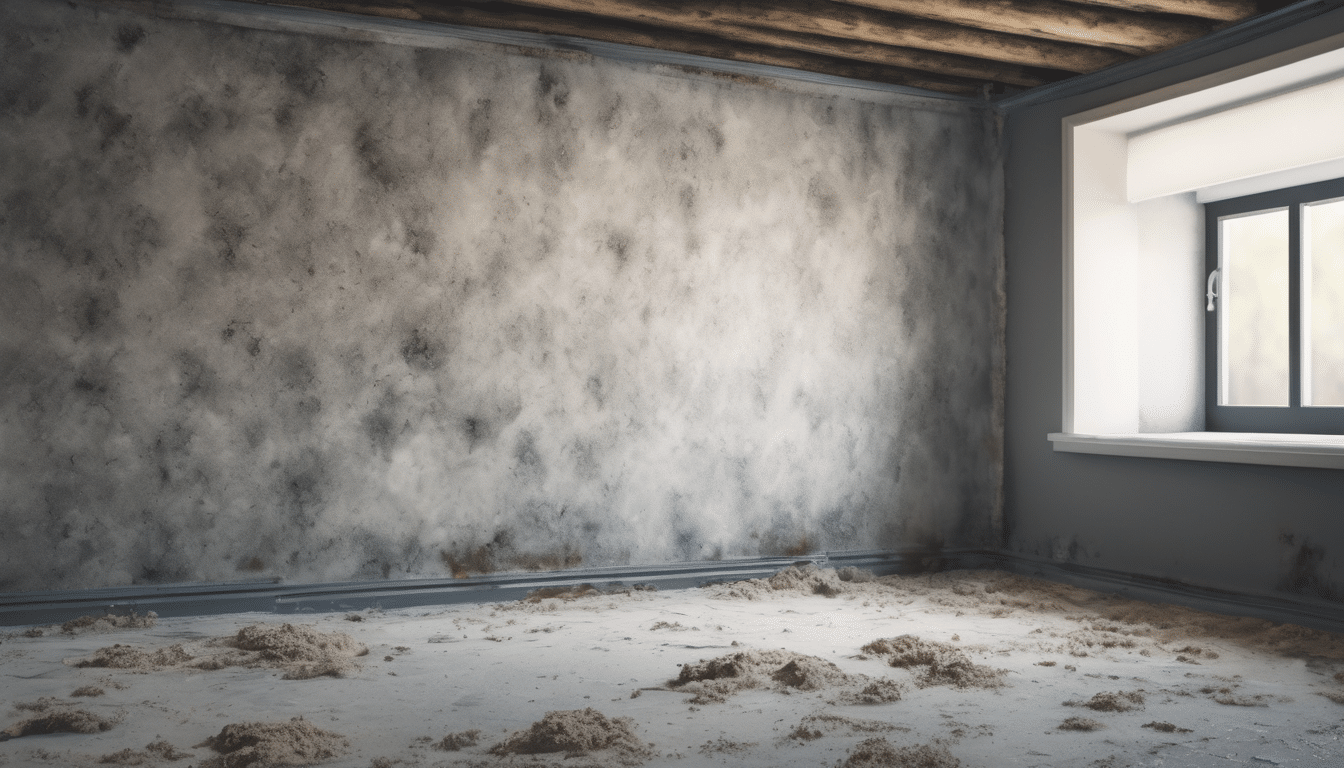
Basement mold represents one of the most concerning yet frequently overlooked threats to family health in dubai and UAE homes. When homeowners ask “could mold in basement cause family health issues?”, the scientific evidence overwhelmingly confirms this connection. Unlike visible mold growth on surfaces, basement contamination operates through hidden pathways that can affect entire households without obvious warning signs.
In the UAE’s climate-controlled environment, basements create unique conditions where moisture accumulates and mold thrives undetected. These underground spaces often harbour extensive contamination that impacts air quality throughout the home via stack effect airflow patterns. Understanding this relationship becomes crucial for protecting family health and making informed decisions about indoor environmental management. This relates directly to Could mold in Basement Cause Family Health Issues.
This comprehensive investigation examines the mechanisms through which basement mold affects human health, identifies vulnerable populations, and provides evidence-based guidance for UAE families concerned about hidden contamination risks.
Could Mold In Basement Cause Family Health Issues – How Basement Mold Spreads Throughout Homes
The question “could mold in basement cause family health issues?” requires understanding how contamination moves from below-grade spaces into living areas. In Dubai’s climate-controlled buildings, basement mold spreads through predictable airflow patterns that most homeowners never consider.
Stack effect creates the primary mechanism for basement contamination distribution. Warm air rises naturally through the building envelope, creating negative pressure in basements that draws outdoor air inward. This process simultaneously pushes basement air upward through wall cavities, utility penetrations, and return air pathways. When considering Could Mold In Basement Cause Family Health Issues, this becomes clear.
Air Movement Patterns in UAE Buildings
UAE construction practices often create continuous airflow connections between basements and upper floors. Electrical conduits, plumbing penetrations, and HVAC returns frequently lack proper air sealing. When basement mold releases spores and volatile organic compounds, these pathways transport contaminants directly into living spaces.
Centralised air conditioning systems amplify this distribution effect. Return air ducts located in basements or connected to basement spaces can draw contaminated air into the HVAC system. The system then circulates this compromised air throughout the entire home, affecting every room regardless of distance from the original contamination source.
Building pressurisation further complicates the situation. Modern UAE homes maintain positive pressure to exclude outdoor humidity and dust. However, this pressurisation can drive contaminated basement air through hidden pathways more aggressively than in naturally ventilated structures.
Contamination Persistence and Accumulation
Could mold in basement cause family health issues through long-term exposure patterns? Research demonstrates that basement contamination creates persistent indoor air quality problems that worsen over time. Unlike surface mold that homeowners can observe and address, basement growth often continues undetected for months or years.
Spore concentrations build gradually as contamination matures and releases increasing quantities of airborne particles. Families may experience declining health without recognising the connection to basement conditions. This delayed recognition allows exposure to continue at levels that can overwhelm immune system defences.
Mycotoxin accumulation represents another concerning pathway. Certain mold species produce toxic metabolites that become airborne and settle on household surfaces. These compounds can persist in indoor environments long after active mold growth stops, creating ongoing exposure risks for family members.
Could Mold In Basement Cause Family Health Issues – Could Mold in Basement Cause Respiratory Problems
Respiratory symptoms represent the most documented health impacts from basement mold exposure. The connection between basement contamination and breathing problems affects families across all age groups, with particular severity in individuals with existing respiratory conditions.
Mold spores act as potent respiratory irritants when inhaled. Basement contamination typically involves multiple species releasing different spore types simultaneously. This mixed exposure creates more severe respiratory responses than single-species contamination commonly found in other indoor locations. The importance of Could Mold In Basement Cause Family Health Issues is evident here.
Asthma Development and Exacerbation
Could mold in basement cause family health issues specifically related to asthma development? Longitudinal studies demonstrate clear associations between early-life mold exposure and childhood asthma onset. Children living in homes with basement mold contamination show significantly higher rates of asthma diagnosis compared to those in mold-free environments.
For family members with existing asthma, basement mold exposure often triggers severe symptom exacerbation. Attack frequency increases, medication requirements intensify, and emergency medical interventions become more common. These effects can persist even after contamination removal if exposure duration was extensive.
The inflammatory cascade triggered by mold exposure creates long-lasting changes in respiratory tissue sensitivity. Airways remain hyperreactive to other triggers for months after mold exposure ends. This extended vulnerability period explains why families may continue experiencing respiratory problems despite successful basement remediation.
Chronic Cough and Throat Irritation
Persistent cough represents one of the earliest indicators that basement mold may be affecting family health. Unlike infectious coughs that resolve within weeks, mold-related coughing continues indefinitely while exposure persists. The cough typically worsens at night or early morning when spore concentrations peak due to reduced air circulation. Understanding Could Mold In Basement Cause Family Health Issues helps with this aspect.
Throat irritation accompanies chronic coughing in most affected individuals. Family members report scratchy, burning sensations that don’t respond to typical throat remedies. This irritation reflects direct tissue contact with airborne mold particles and volatile compounds released during basement contamination growth.
Vocal cord inflammation can develop in severe cases, causing hoarseness and speaking difficulty. Professional singers, teachers, and others who rely on vocal performance often notice these changes before other family members recognise respiratory symptoms. The connection between basement mold and vocal problems frequently goes unrecognised until systematic investigation reveals the contamination source.
Could Mold In Basement Cause Family Health Issues – Neurological Impacts of Basement Mold on Health
The neurological effects of basement mold exposure represent some of the most concerning yet least recognised health impacts affecting UAE families. When families ask “could mold in basement cause family health issues?” beyond respiratory symptoms, research increasingly points to significant brain and nervous system effects.
Mycotoxins produced by certain basement mold species can cross the blood-brain barrier, directly affecting neural tissue. These toxic compounds accumulate in brain structures responsible for memory, concentration, and emotional regulation. The resulting symptoms often mimic other neurological conditions, leading to misdiagnosis and inappropriate treatments. Could Mold In Basement Cause Family Health Issues factors into this consideration.
Cognitive Dysfunction and Memory Problems
Could mold in basement cause family health issues affecting mental performance? Extensive research documents cognitive impairment in individuals exposed to indoor mold contamination. Family members frequently report difficulty concentrating, memory lapses, and reduced mental clarity that interferes with work and academic performance.
Children show particular vulnerability to mold-related cognitive effects. Attention deficit symptoms, learning difficulties, and academic performance decline commonly accompany basement mold exposure. Teachers and parents may attribute these changes to behavioural problems without considering environmental causes.
Executive function deficits represent another significant impact. Family members struggle with decision-making, planning, and task completion that previously posed no difficulty. These changes often develop gradually, making the connection to basement contamination less obvious to affected individuals and their healthcare providers.
Mood Changes and Emotional Symptoms
Basement mold exposure frequently produces mood-related symptoms that affect family relationships and quality of life. Depression, anxiety, and irritability develop in previously emotionally stable individuals. These changes reflect direct neurochemical effects rather than psychological responses to illness. This relates directly to Could Mold In Basement Cause Family Health Issues.
Inflammatory cytokines triggered by mold exposure alter neurotransmitter production and function. Serotonin and dopamine systems show particular sensitivity to mold-induced inflammation. The resulting mood symptoms often resist standard psychiatric treatments while environmental exposure continues.
Sleep disturbances commonly accompany mood changes in basement mold exposure. Family members experience difficulty falling asleep, frequent awakening, and non-restorative sleep patterns. These sleep problems further compound cognitive and emotional symptoms, creating a cycle of declining neurological function.
Immune System Response to Basement Contamination
Basement mold exposure creates complex immune system responses that can compromise family health through multiple pathways. Understanding these immunological effects helps explain why some family members develop severe symptoms while others remain apparently unaffected by the same contamination.
Chronic mold exposure triggers persistent inflammatory responses that exhaust immune system resources. The body’s defence mechanisms become hyperactive, attacking both genuine threats and harmless environmental substances. This immune dysregulation underlies many of the diverse health symptoms associated with basement mold exposure. When considering Could Mold In Basement Cause Family Health Issues, this becomes clear.
Allergic Sensitisation and Multiple Chemical Sensitivity
Could mold in basement cause family health issues through immune system sensitisation? Repeated exposure to basement mold antigens often leads to progressive allergic sensitisation. Family members initially tolerant of environmental exposures develop severe reactions to previously harmless substances.
This sensitisation process extends beyond mold allergens to include chemicals, foods, and other environmental triggers. Multiple chemical sensitivity frequently develops in individuals with prolonged basement mold exposure. Perfumes, cleaning products, and building materials that never caused problems begin triggering severe symptoms.
The immune system’s pattern recognition becomes distorted through chronic mold exposure. Molecular mimicry allows mold antigens to trigger responses against the body’s own tissues. This autoimmune component explains why basement mold exposure can lead to symptoms affecting multiple organ systems simultaneously.
Increased Infection Susceptibility
Basement mold exposure often compromises immune function, leaving family members vulnerable to bacterial and viral infections. Respiratory infections become more frequent and severe in mold-exposed individuals. Recovery times extend significantly compared to pre-exposure periods. The importance of Could Mold In Basement Cause Family Health Issues is evident here.
Opportunistic infections may develop in severely compromised individuals. Normally harmless bacteria and fungi can cause serious illness when immune defences are weakened by chronic mold exposure. These secondary infections often require aggressive medical treatment and may recur repeatedly while basement contamination persists.
Vaccination responses may be impaired in basement mold-exposed family members. Antibody production decreases, reducing protection against vaccine-preventable diseases. This immune compromise can affect both children’s routine vaccinations and adults’ seasonal flu shots or travel immunisations.
Vulnerable Populations and Basement Mold Exposure
Certain family members face elevated risks when basement mold contamination affects household air quality. Age, health status, and genetic factors influence individual susceptibility to mold-related health problems. Recognising these vulnerability patterns helps families prioritise protection for their most at-risk members.
Could mold in basement cause family health issues more severely in some individuals than others? Research consistently demonstrates differential susceptibility patterns that affect how basement contamination impacts various family members. These differences reflect variations in immune function, respiratory physiology, and detoxification capacity.
Infants and Young Children
Children under five years old show the highest vulnerability to basement mold health effects. Their developing respiratory and immune systems lack the maturity to effectively process mold exposures that adults might tolerate. Additionally, children’s higher respiratory rates increase their exposure dose per body weight compared to adult family members.
Developing brain tissue shows particular sensitivity to mycotoxin exposure during critical growth periods. Neurological development can be permanently altered by mold exposure during infancy and early childhood. These changes may not become apparent until children reach school age and face increased cognitive demands.
Children’s behaviour patterns also increase their exposure risk. They spend more time on floors where settled spores concentrate, engage in hand-to-mouth activities that introduce contaminants directly, and have less ability to recognise and avoid exposure sources that affect their wellbeing.
Elderly Family Members
Ageing affects immune function and respiratory capacity in ways that increase vulnerability to basement mold exposure. Older adults often have compromised immune systems that cannot mount effective responses to environmental challenges. Pre-existing respiratory conditions common in elderly individuals amplify mold-related symptoms. Understanding Could Mold In Basement Cause Family Health Issues helps with this aspect.
Medication interactions represent another concern for elderly family members exposed to basement mold. Many medications affect immune function or respiratory physiology in ways that can worsen mold-related symptoms. The combination of age-related vulnerability and pharmaceutical effects creates compounded health risks.
Recovery capacity decreases with age, meaning elderly family members may experience prolonged symptoms and slower improvement even after basement contamination is eliminated. This extended recovery period requires careful monitoring and may necessitate additional medical support during the remediation process.
Individuals with Compromised Immune Systems
Family members with autoimmune conditions, cancer treatments, or immunosuppressive medications face severe risks from basement mold exposure. Their compromised immune systems cannot effectively respond to mold antigens, leading to potentially serious health complications.
Could mold in basement cause family health issues requiring hospitalisation in immunocompromised individuals? Medical literature documents cases of severe fungal infections developing in immune-compromised patients exposed to household mold contamination. These invasive infections can be life-threatening and require aggressive medical intervention.
Transplant recipients face particular risks due to their immunosuppressive medication regimens. Even minor mold exposures can trigger serious infections or organ rejection episodes. Families with transplant recipients should consider basement mold contamination a medical emergency requiring immediate professional intervention.
Could Mold in Basement Cause Chronic Fatigue
Chronic fatigue represents one of the most debilitating yet underrecognised health impacts of basement mold exposure. Family members affected by this condition experience profound exhaustion that doesn’t improve with rest and significantly impairs daily functioning. The connection between basement contamination and chronic fatigue involves complex physiological mechanisms that medical professionals often overlook.
Mold-related chronic fatigue differs from typical tiredness or temporary exhaustion. Affected individuals describe overwhelming weakness that makes routine activities feel impossible. This fatigue persists regardless of sleep duration or quality, distinguishing it from fatigue caused by sleep disorders or lifestyle factors.
Mitochondrial Dysfunction and Energy Production
Could mold in basement cause family health issues through cellular energy disruption? Research reveals that mycotoxins interfere with mitochondrial function, the cellular powerhouses responsible for energy production. This interference reduces ATP synthesis, leaving cells throughout the body energy-depleted and unable to perform normal functions.
The brain shows particular vulnerability to energy disruption caused by basement mold exposure. Neural tissue has extremely high energy demands that cannot be met when mitochondrial function is compromised. This energy deficit manifests as cognitive fatigue, difficulty concentrating, and mental exhaustion that compounds physical tiredness.
Muscle tissue also suffers from mold-induced energy disruption. Family members report muscle weakness, reduced exercise tolerance, and prolonged recovery times after physical activity. These symptoms reflect impaired cellular metabolism rather than deconditioning or psychological factors.
Inflammatory Fatigue Pathways
Chronic inflammation triggered by basement mold exposure activates fatigue-producing pathways in the brain and body. Inflammatory cytokines directly affect neural circuits responsible for energy regulation and motivation. This inflammatory fatigue persists as long as mold exposure continues and can take months to resolve after contamination elimination.
Sleep architecture becomes disrupted by mold-induced inflammation, preventing restorative sleep despite adequate sleep duration. Family members wake feeling unrefreshed and exhausted regardless of how many hours they spend in bed. This non-restorative sleep perpetuates the fatigue cycle and impairs recovery from daily activities. Could Mold In Basement Cause Family Health Issues factors into this consideration.
The hypothalamic-pituitary-adrenal axis frequently becomes dysregulated in basement mold exposure. This disruption affects cortisol production patterns, compromising the body’s natural energy regulation systems. Normal circadian rhythms become disturbed, leading to energy crashes and inappropriate fatigue timing.
Skin and Allergic Reactions from Basement Mold
Skin symptoms often provide the first visible evidence that basement mold may be affecting family health. These reactions range from mild irritation to severe dermatitis that significantly impacts quality of life. Understanding the mechanisms behind mold-related skin problems helps families recognise the connection to basement contamination.
Could mold in basement cause family health issues manifesting as skin reactions? Dermatological research confirms multiple pathways through which mold exposure affects skin health. Direct contact, airborne particle deposition, and systemic inflammatory responses all contribute to the skin symptoms observed in basement mold-exposed families.
Contact Dermatitis and Skin Irritation
Direct contact with mold-contaminated materials causes immediate skin reactions in sensitive individuals. Family members handling items stored in contaminated basements often develop contact dermatitis within hours of exposure. This reaction appears as redness, swelling, and blistering at contact sites. This relates directly to Could Mold In Basement Cause Family Health Issues.
Airborne mold particles can also trigger skin reactions without direct contact. Spores settling on skin surfaces or clothing create localised irritation patterns. Face, neck, and forearm areas show particular susceptibility due to their regular air exposure and reduced clothing protection.
Volatile organic compounds released by basement mold can cause chemical sensitivity reactions affecting skin throughout the body. These reactions may appear hours after exposure ends, making the connection to basement contamination less obvious to affected family members.
Chronic Eczema and Atopic Dermatitis
Basement mold exposure frequently triggers or exacerbates chronic eczema in family members with atopic tendencies. The inflammatory response to mold allergens manifests as persistent, itchy skin lesions that resist standard topical treatments. Children show particular vulnerability to developing mold-related eczema that can persist into adulthood.
Could mold in basement cause family health issues through allergic skin inflammation? The immune system response to basement mold contamination often includes skin-directed inflammation. IgE antibodies produced against mold allergens trigger mast cell degranulation in skin tissues, causing chronic itching, redness, and scaling.
Secondary bacterial infections commonly develop in mold-related eczema due to compromised skin barrier function and persistent scratching. These infections require antibiotic treatment and can leave permanent scarring if left untreated. The cycle of inflammation, scratching, and infection creates ongoing skin problems that may continue even after basement mold remediation.
Diagnostic Challenges in Basement Mold Illness
Diagnosing health problems related to basement mold exposure presents significant challenges for healthcare providers and families. The diverse symptom patterns, delayed onset, and lack of specific diagnostic tests create obstacles to accurate identification and appropriate treatment of mold-related illness.
Medical professionals receive limited training in environmental health, making them less likely to consider basement mold as a potential cause of patient symptoms. The symptoms associated with mold exposure overlap significantly with other common conditions, leading to frequent misdiagnosis and inappropriate treatments that fail to address the underlying environmental cause.
Symptom Overlap with Other Conditions
Could mold in basement cause family health issues that mimic other medical conditions? The symptom profile of basement mold exposure overlaps extensively with conditions like chronic fatigue syndrome, fibromyalgia, depression, and autoimmune disorders. This overlap leads to delayed recognition of environmental causes and prolonged exposure while families pursue ineffective treatments.
Respiratory symptoms from basement mold exposure closely resemble asthma, allergies, and recurrent respiratory infections. Healthcare providers may treat these symptoms with bronchodilators, antihistamines, and antibiotics without investigating potential environmental triggers. While these treatments may provide temporary relief, symptoms typically return while basement contamination persists.
Neurological symptoms pose particular diagnostic challenges due to their subjective nature and gradual onset. Cognitive dysfunction, memory problems, and mood changes attributed to stress, ageing, or psychological factors may actually reflect basement mold exposure. Families may undergo extensive neurological and psychiatric evaluations without considering environmental causes.
Laboratory Testing Limitations
Standard medical laboratory tests cannot definitively diagnose basement mold-related illness. While some tests can detect immune responses to specific mold species, these results don’t establish causation between basement contamination and health symptoms. Additionally, immune responses vary significantly between individuals, making test interpretation difficult.
Mycotoxin testing in blood or urine remains controversial and lacks standardisation. Results may not correlate with symptom severity or health impacts. Furthermore, mycotoxin detection doesn’t necessarily indicate current exposure, as these compounds can persist in body tissues for extended periods after exposure ends. When considering Could Mold In Basement Cause Family Health Issues, this becomes clear.
The most reliable approach to diagnosing basement mold-related illness involves comprehensive environmental investigation combined with detailed symptom documentation. Improvement following contamination removal provides the strongest evidence for environmental causation, but this confirmation comes only after successful remediation.
Preventing Basement Mold Health Impacts
Prevention represents the most effective approach to protecting family health from basement mold contamination. Understanding the environmental conditions that promote mold growth allows families to implement targeted interventions that eliminate contamination risks before health problems develop.
Could mold in basement cause family health issues that are entirely preventable? Research demonstrates that proper moisture control, ventilation management, and environmental monitoring can effectively prevent basement mold growth and protect family health. The investment in prevention typically costs significantly less than remediation and medical treatments required after contamination develops.
Moisture Control Strategies
Effective moisture control forms the foundation of basement mold prevention. Relative humidity levels should remain below 50% consistently to prevent mold growth initiation. This requires both dehumidification equipment and addressing moisture sources that contribute to elevated humidity levels. The importance of Could Mold In Basement Cause Family Health Issues is evident here.
Ground moisture represents the primary humidity source in UAE basements. Proper basement waterproofing, including vapour barriers and drainage systems, prevents moisture infiltration from surrounding soil. Regular maintenance of these systems ensures continued effectiveness over time.
HVAC systems must be designed and maintained to support basement moisture control. Supply air should provide adequate air circulation, while return air systems should prevent negative pressure that draws humid outdoor air into basement spaces. Regular filter changes and duct cleaning prevent contamination circulation throughout the home.
Air Quality Monitoring
Regular air quality monitoring allows families to detect potential mold problems before visible growth appears or health symptoms develop. Home air quality monitors can track humidity levels, volatile organic compounds, and particulate matter that may indicate developing contamination.
Professional indoor air quality assessments provide more comprehensive evaluation of basement conditions. These investigations can identify hidden moisture sources, air circulation problems, and early-stage contamination that might escape casual observation. Annual assessments provide baseline data for tracking changes over time. Understanding Could Mold In Basement Cause Family Health Issues helps with this aspect.
Could mold in basement cause family health issues detectable through air sampling? Professional air sampling can identify elevated spore concentrations and species diversity patterns that suggest active mold growth. This testing provides objective data to guide prevention efforts and verify the effectiveness of implemented control measures.
The most effective prevention strategy combines environmental monitoring with prompt response to concerning findings. Early intervention prevents minor moisture problems from developing into extensive contamination that threatens family health and requires expensive remediation.
Understanding the connection between basement mold and family health empowers UAE homeowners to make informed decisions about their indoor environment. The scientific evidence clearly demonstrates that basement contamination can cause significant health problems affecting multiple family members simultaneously. However, these health impacts are entirely preventable through proper environmental management and prompt intervention when problems arise.
Could mold in basement cause family health issues severe enough to require medical attention? The research confirms this possibility, particularly for vulnerable family members including children, elderly individuals, and those with compromised immune systems. Recognising the early warning signs of mold-related illness allows families to seek appropriate help before symptoms become severe or permanent.
The complexity of mold-related health impacts requires a systematic approach that addresses both environmental contamination and health symptom management. Professional environmental investigation provides the foundation for understanding contamination sources and developing effective remediation strategies. Medical evaluation ensures that health symptoms receive appropriate attention while environmental factors are being addressed.
Prevention remains the most cost-effective and health-protective approach to managing basement mold risks. Regular maintenance, moisture control, and environmental monitoring can eliminate contamination risks before they affect family health. For UAE families concerned about basement conditions, professional environmental assessment provides peace of mind and actionable guidance for protecting their most valuable asset—their family’s health.
The question “could mold in basement cause family health issues?” has a definitive scientific answer: yes, basement mold can cause serious health problems affecting entire families. However, with proper understanding, prevention, and intervention, these health risks can be effectively managed and eliminated.